Strategic Re-acquisition and Risk Mitigation
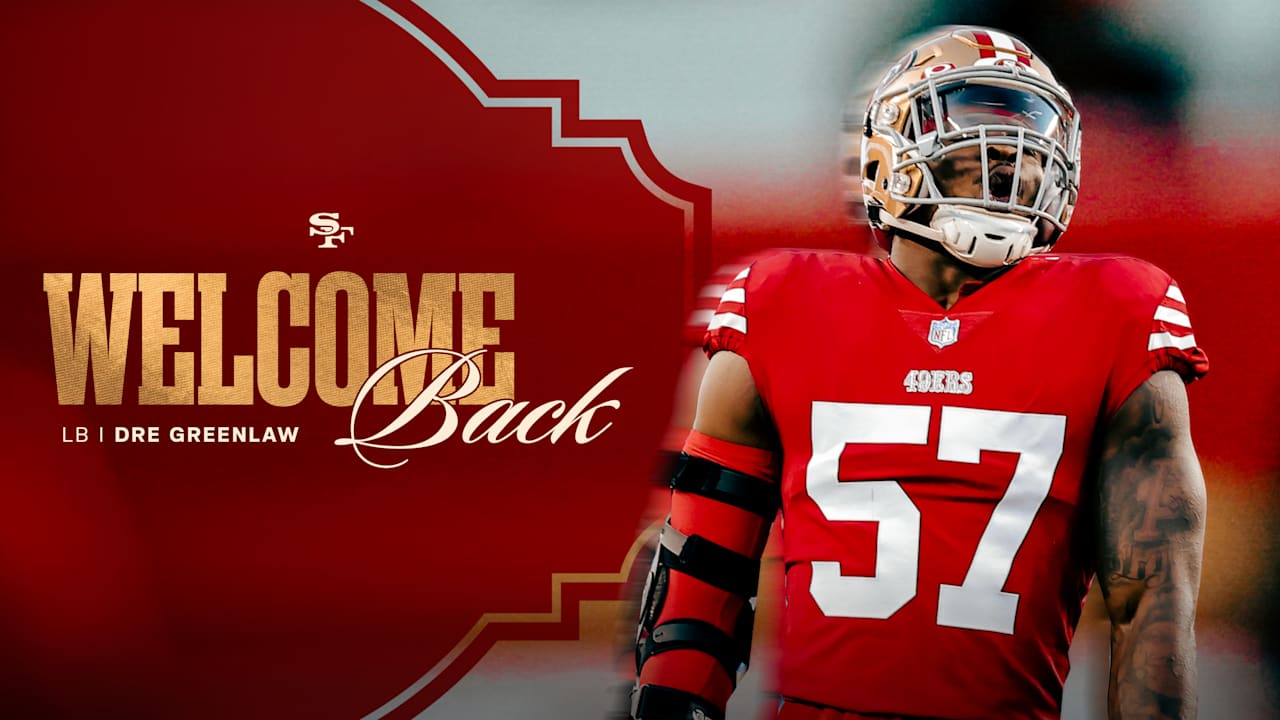
The San Francisco 49ers’ re-acquisition of linebacker Dre Greenlaw on a one-year, $7.5 million contract represents a calculated strategic maneuver that capitalizes on market volatility and injury-related risk correction. The move follows Greenlaw’s release from the Denver Broncos, where he spent one injury-plagued season after signing a long-term, three-year, $35 million deal. This transaction highlights the stark difference between long-term financial commitments based on pre-injury performance projections and short-term, high-upside investments made in response to post-injury market adjustments.
For the 49ers, the decision is less about a sentimental reunion and more about leveraging a high-potential asset at a significantly discounted price point. The one-year deal structure minimizes long-term financial exposure while maximizing competitive upside, allowing the team to assess Greenlaw’s recovery and performance without committing substantial future capital. This approach contrasts sharply with the Broncos’ initial investment, which failed to yield returns due to Greenlaw’s physical constraints.
The Financial Mechanics of Disengagement: Broncos’ Perspective
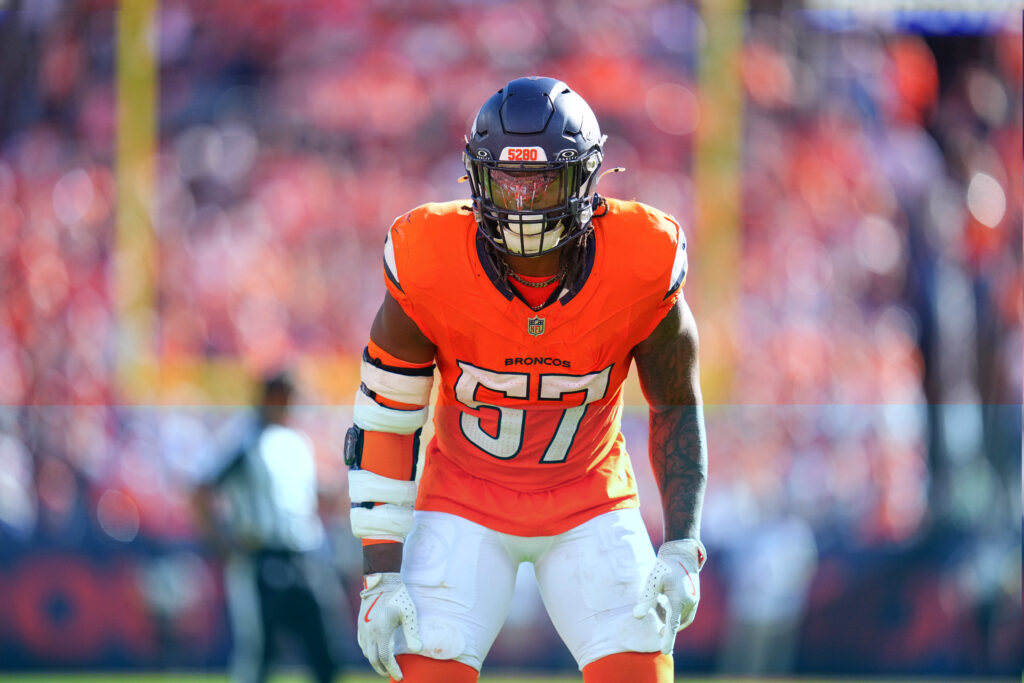
The Denver Broncos’ decision to release Greenlaw after just one season illustrates the operational risks inherent in high-value, multi-year contracts for players with recent injury history. Greenlaw’s tenure in Denver was marked by significant physical setbacks, including missing training camp with a quad injury, the entire preseason, and the first six regular-season games due to a hamstring injury. This inability to stay on the field rendered the initial three-year, $35 million investment non-viable from a competitive standpoint.
The Broncos’ use of a post-June 1 designation for Greenlaw’s release is a critical financial mechanism for managing salary cap liabilities. This designation allows the team to spread the remaining cap hit over two fiscal years, mitigating the immediate financial impact of releasing a player with guaranteed money remaining on their contract. This strategic accounting move prioritizes long-term cap flexibility over short-term financial recovery, demonstrating a calculated effort to minimize the downstream consequences of a failed investment.
Competitive Leverage and Institutional Knowledge
Greenlaw’s return to the 49ers re-establishes a critical component of their defensive structure. His previous role as a stalwart alongside fellow linebacker Fred Warner provides immediate operational advantages. The synergy between Greenlaw and Warner allows for complex defensive alignments and coverage schemes, which are essential for a team competing at the highest level. The re-acquisition leverages Greenlaw’s deep understanding of the 49ers’ system and cultural dynamics, eliminating the learning curve associated with integrating new personnel.
The strategic value of this re-acquisition extends beyond individual performance metrics. Coach Kyle Shanahan’s previous lament over losing Greenlaw highlights the institutional value placed on players who fit the team’s specific scheme and culture. By bringing him back, the 49ers are not just acquiring a player; they are restoring a proven partnership that has demonstrated high performance in previous seasons. This move enhances defensive depth and provides a known quantity for a critical position, mitigating the risk associated with unproven free agents.
Player Capital Volatility and Market Correction
Greenlaw’s career trajectory from a fifth-round pick to a high-value free agent and back to a short-term contract player illustrates the extreme volatility of professional athlete capital. His performance peak, which included 30 starts between 2022 and 2023 and a Super Bowl appearance, established his market value. However, a severe Achilles injury suffered during Super Bowl LVIII, followed by subsequent injuries during his time with the Broncos, triggered a significant market correction.
The shift from a three-year, $35 million contract to a one-year, $7.5 million deal reflects a re-pricing of risk by the market. The Broncos’ initial investment was based on pre-injury projections, while the 49ers’ current investment accounts for the high probability of physical constraints. This dynamic underscores how physical availability directly correlates with financial leverage in professional sports, forcing players to accept short-term, prove-it deals to rebuild their market value after significant injuries.
Operational Constraints and Stakeholder Implications
The primary constraint facing Greenlaw and the 49ers is the question of health, as noted by former Broncos safety Nick Ferguson. Greenlaw’s inability to stay on the field during his tenure with Denver raises significant concerns about his long-term durability. The one-year contract structure directly addresses this uncertainty, placing the burden of performance leverage squarely on Greenlaw’s ability to remain healthy throughout the season. For the 49ers, this represents a calculated gamble on a return to form, with minimal financial exposure if the physical issues persist.
The implications for stakeholders extend beyond the immediate financial transaction. For the Broncos, the release signifies a necessary course correction in their roster construction strategy, acknowledging a failed investment and prioritizing future cap space. For the 49ers, the move enhances their competitive positioning and defensive flexibility, potentially strengthening their Super Bowl aspirations by re-integrating a proven asset into a familiar system. The transaction serves as a case study in how teams manage operational risk by adjusting contract structures in response to player performance and health data.