The opening phase of the 2026 FIFA World Cup has codified a distinct global hierarchy, revealing the operational variances inherent in an expanded 48-team field. Beyond mere results, the initial data points suggest a widening gap in tactical maturity, where elite programs are successfully optimizing for long-tournament attrition while emerging nations struggle with structural consistency. This recalibration highlights the importance of squad depth and mid-game technical adjustments in the modern international era.
France: The Benchmark for Technical Depth
France occupies the top tier after a 3-1 victory over Senegal, a performance defined by high-level tactical elasticity. While many top seeds exhibited opening-match inertia, Les Bleus demonstrated an elite capacity for mid-game pivoting, transitioning from a stagnant first half to a dominant second. This ability to solve defensive blocks in real-time is the primary indicator of tournament longevity.
Kylian Mbappé’s record-breaking scoring milestone signifies more than personal prestige; it confirms the completion of a generational transition in the French offensive nucleus. By serving as a high-gravity focal point, Mbappé facilitates space for secondary threats like Bradley Barcola, whose impact off the bench underscores France’s superior depth. In a schedule defined by increased physical demands, this ability to maintain intensity through substitutions provides a decisive competitive edge.
England: High Offensive Ceiling vs. Structural Volatility
England secures the second position following a 4-2 win against Croatia, showcasing the tournament’s most potent attacking transition. Under Harry Kane’s leadership, the English system has evolved into a high-volume scoring machine, prioritizing verticality and clinical finishing. However, this offensive optimization comes with a measurable defensive trade-off.
The two goals conceded highlight a vulnerability to disciplined counter-attacks, a risk inherent in England’s aggressive positioning. While their current form makes them the most dangerous unit in transition, their standing remains contingent on the coaching staff’s ability to stabilize the backline without neutralizing the creative freedom of the midfield. The victory over Croatia serves as a psychological breakthrough, yet the defensive lapses provide a blueprint for elite opponents to exploit in the knockout stages.
Argentina: Low-Variance Stability
The defending champions remain a top-three fixture through a disciplined 3-0 dispatching of Algeria. Argentina’s profile is characterized by institutional stability and the “Messi Factor”—a force multiplier that allows the squad to dictate tempo and minimize defensive exposure. Unlike their more volatile peers, Argentina operates with a level of composure that suggests energy conservation for the later rounds.
This clinical approach is supported by the seamless integration of younger technical profiles alongside veteran leadership. By maintaining control of the midfield and forcing opponents into deep defensive blocks, Argentina minimizes the physical toll of the group stage. Their current trajectory suggests a team playing well within its tactical limits, prepared for the psychological rigors of a title defense.
Germany and the Expansion Outlier
Germany’s 7-1 result against Curacao has become a case study for the competitive disparities of the 48-team format. While the scoreline reflects German efficiency, it also highlights the statistical noise generated when elite UEFA powers encounter developing programs. For Germany, the match functioned as a high-intensity training exercise to refine attacking patterns.
The strategic value here lies in goal difference and momentum, yet the result lacks the diagnostic value of a high-leverage matchup. Germany remains a top-five contender, but their true ceiling will only be tested when they face defensive structures capable of resisting their initial press. The challenge for the German staff is preventing complacency after a match where tactical resistance was nearly non-existent.
The United States: Home Advantage as a Force Multiplier
The United States has catalyzed domestic expectations with a 4-1 victory over Paraguay, marking their entry into the elite top five. This performance validates a multi-year investment in an athletic-tactical hybrid model that leverages the roster’s speed. Winning decisively in the opening fixture has effectively mitigated the psychological pressure of being the host nation.
From an institutional perspective, this ranking increases commercial leverage and validates the U.S. developmental ecosystem. However, the strategic challenge remains sustaining this intensity against sophisticated European and South American blocks. As it stands, the USMNT has moved beyond the status of a regional power, establishing themselves as a legitimate disruptor in the global order.
Attrition and the Failure of the ‘Dark Horse’
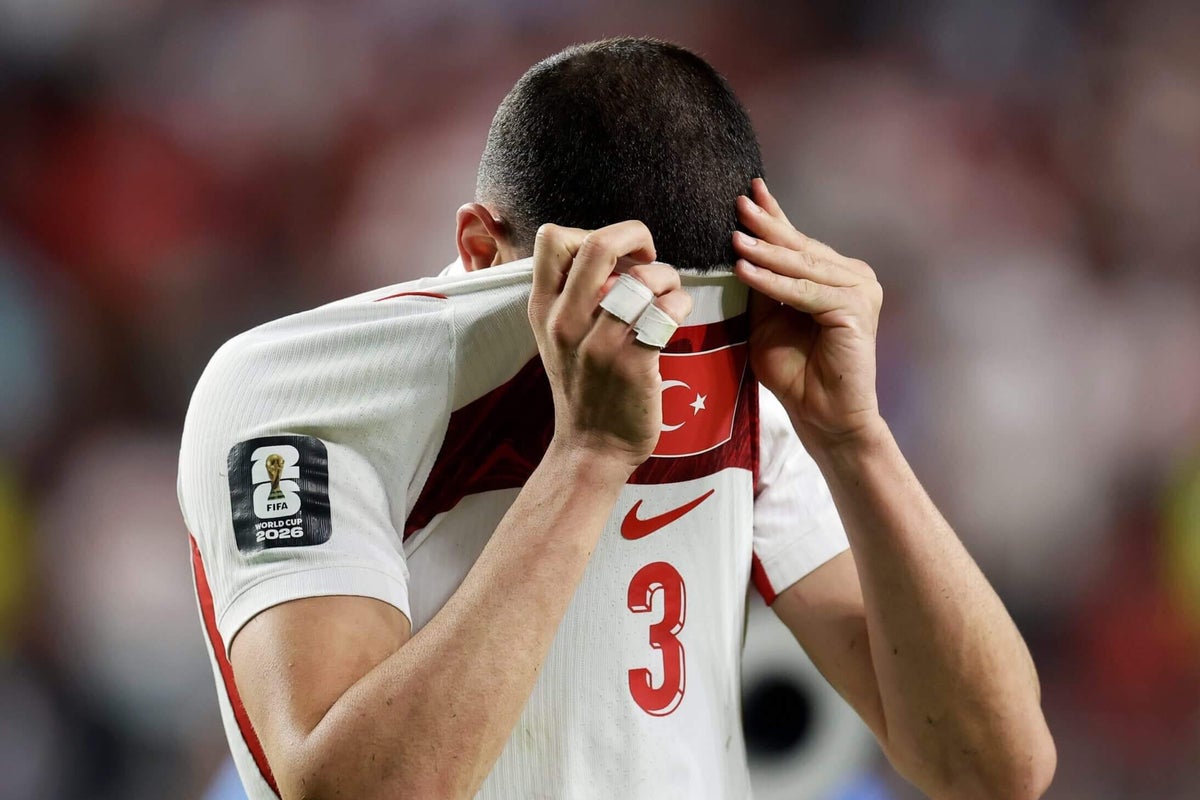
The early exit of Turkey serves as a cautionary tale regarding tournament preparation. Frequently cited as a potential disruptor, Turkey’s inability to translate theoretical talent into structural results highlights the unforgiving nature of the World Cup environment. Their elimination creates a vacuum in the bracket, offering an opening for other mid-tier nations to emerge as tactical spoilers.
As the tournament transitions to the second round, the power rankings will continue to fluctuate based on squad rotation and injury management. The initial round has set the baseline; the subsequent phase will determine which nations possess the depth to survive the most grueling schedule in FIFA history.