The 2026 Perseid Convergence
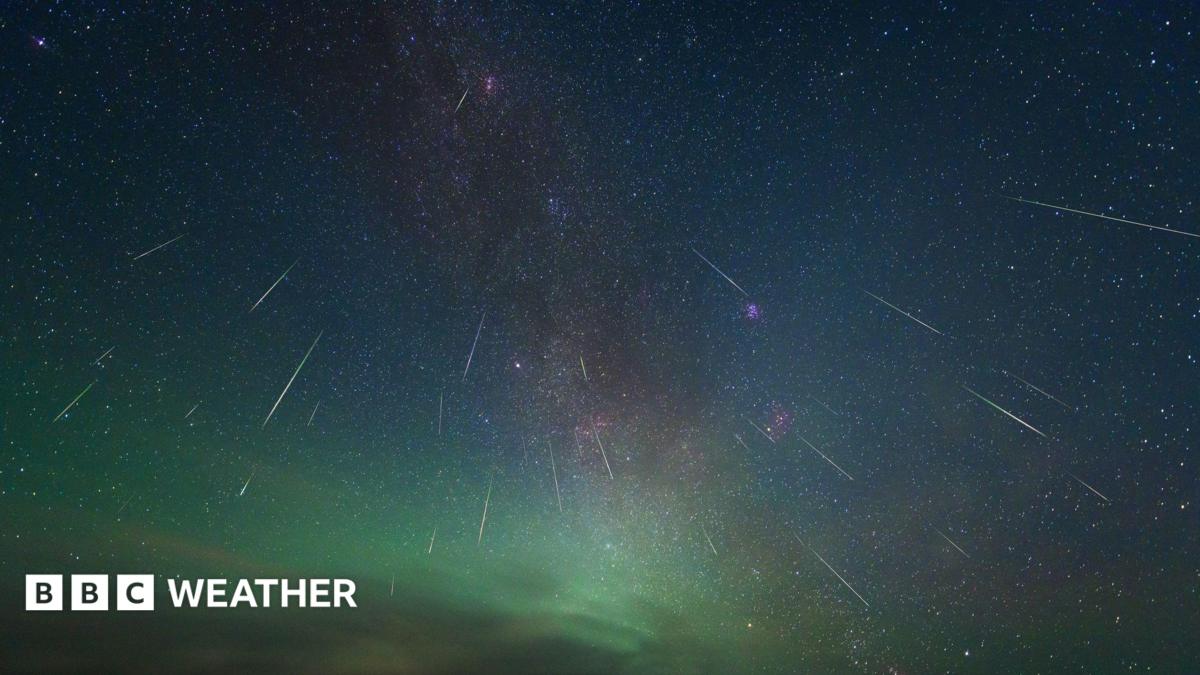
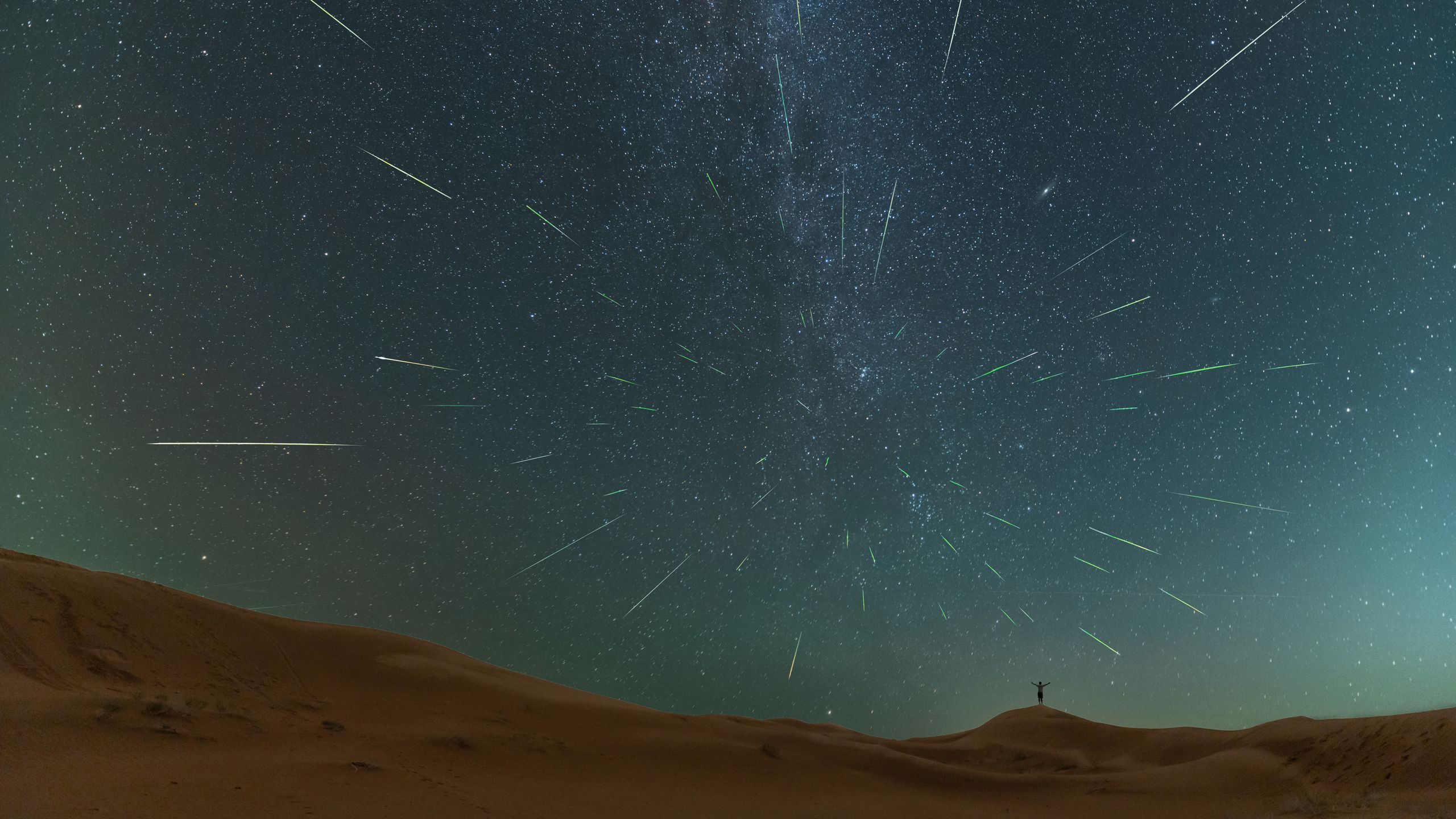
The 2026 Perseid meteor shower offers a rare intersection of celestial mechanics. As Earth transits the debris field of Comet 109P/Swift-Tuttle, high-velocity interactions between atmospheric particles and cometary dust—typically sand-grain sized—generate brilliant luminous streaks. This year, the peak aligns with a new moon, maximizing the signal-to-noise ratio by eliminating lunar light pollution, thus facilitating the detection of lower-magnitude meteors.
Peak Flux and Observational Dynamics
While the Perseid active window extends from July 17 to August 24, the peak flux density occurs between August 12 and August 13. During this interval, observers may witness up to 100 meteors per hour. Notably, the Perseids are characterized by a high incidence of fireballs—bolides resulting from the vaporization of larger-than-average meteoroids, which release significant kinetic energy upon atmospheric entry.
Integrating the August 12 Solar Eclipse
The 2026 event is unique due to the simultaneous total solar eclipse on August 12. This alignment allows for potential meteor observation during totality within the eclipse path. While the eclipse creates a localized ‘false twilight,’ the concurrent new moon ensures the background environment remains sufficiently dark for scientific and amateur data collection, providing a rare case study for atmospheric interaction.
Scientific Significance and Data Integrity
Meteor showers are essential for mapping the composition and dispersal patterns of cometary debris. By tracking frequency and intensity, researchers refine models of the Swift-Tuttle stream. Global observation networks are vital here; consistent reporting from varied longitudes allows scientists to map debris density variations. Note that the ‘100 meteors per hour’ metric represents an ideal maximum; real-world visibility remains contingent on local meteorological conditions, light pollution, and the observer’s proximity to the radiant point in the constellation Perseus.