
Operational Dynamics of the 2026 Truck Series
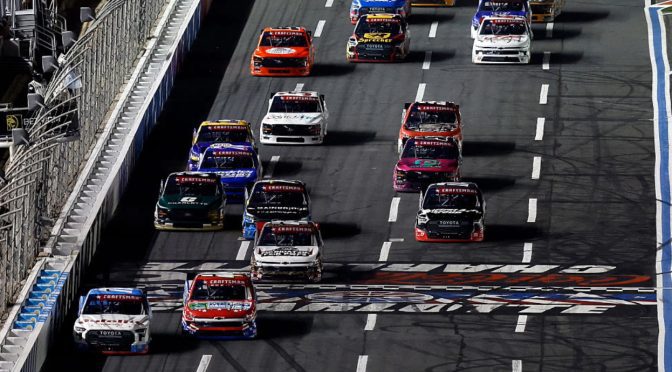
The 2026 North Carolina Education Lottery 200 at Charlotte Motor Speedway represents a technical inflection point for the NASCAR Craftsman Truck Series. As the season’s 10th points-paying event, the 1.5-mile quad-oval demands a high degree of precision in aerodynamic and mechanical set-up, serving as a critical evaluation window for team performance.
The Crossover Effect: Tactical and Technical Integration
The entry list highlights a strategic surge in cross-series participation, with Cup Series regulars like Ricky Stenhouse Jr. and Ross Chastain anchoring the Niece Motorsports roster. For team owners, this integration is less about driver development and more about institutional data acquisition. These veterans provide the granular feedback necessary to optimize chassis and suspension performance on intermediate tracks—a luxury independent teams often lack.
This influx creates a competitive bottleneck. Developmental drivers now face a field with elevated operational standards, where the margin for error in pit-road execution and tactical navigation has narrowed significantly. For independent entries, the presence of these regulars necessitates a higher threshold for mechanical reliability to maintain track position against premier-level setups.
Entry List Challenges and Risk Management
With 37 trucks vying for limited starting berths, the qualification phase has evolved into an exercise in high-stakes risk management. The involvement of independent entries, such as the No. 25 Kaulig Racing entry featuring Travis Pastrana, reinforces the Truck Series’ role as a vital laboratory for experimental configurations and brand exposure.
These entries require teams to balance volatile mid-field traffic with the aerodynamic sensitivities of the 1.5-mile Charlotte surface. The 10 a.m. ET start time creates unique track temperature conditions, further complicating tire management and aero-balance strategies throughout the race.
Institutional Stability and Long-term Growth
NASCAR’s multi-channel broadcast strategy, utilizing FS1 and the NASCAR Racing Network Radio, ensures consistent institutional visibility. This technical and commercial infrastructure is essential for the series’ long-term viability, providing sponsors with measurable engagement during the transition into the season’s second half.
As the field prepares for the green flag, the performance of the top-tier Niece Motorsports entries will serve as the benchmark for the remainder of the grid. Stakeholders will analyze this data closely, as the outcomes from Charlotte will inform engineering trajectories for the remainder of the championship hunt.
Photo by PublicDomainPictures on Pixabay.