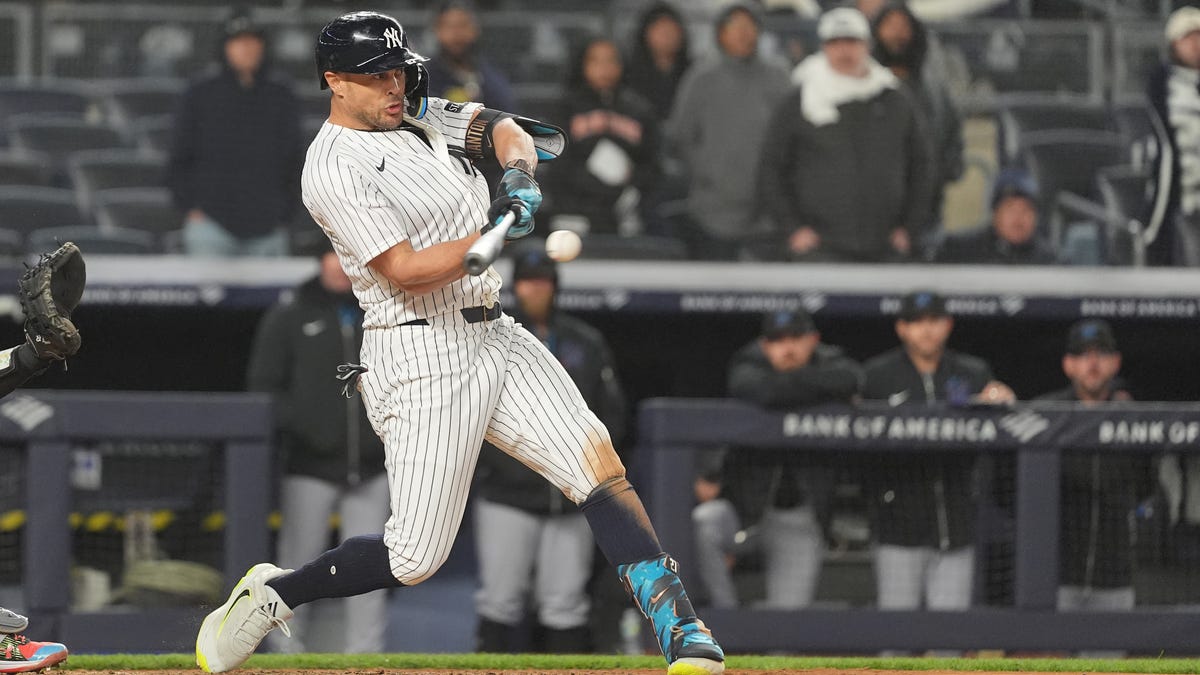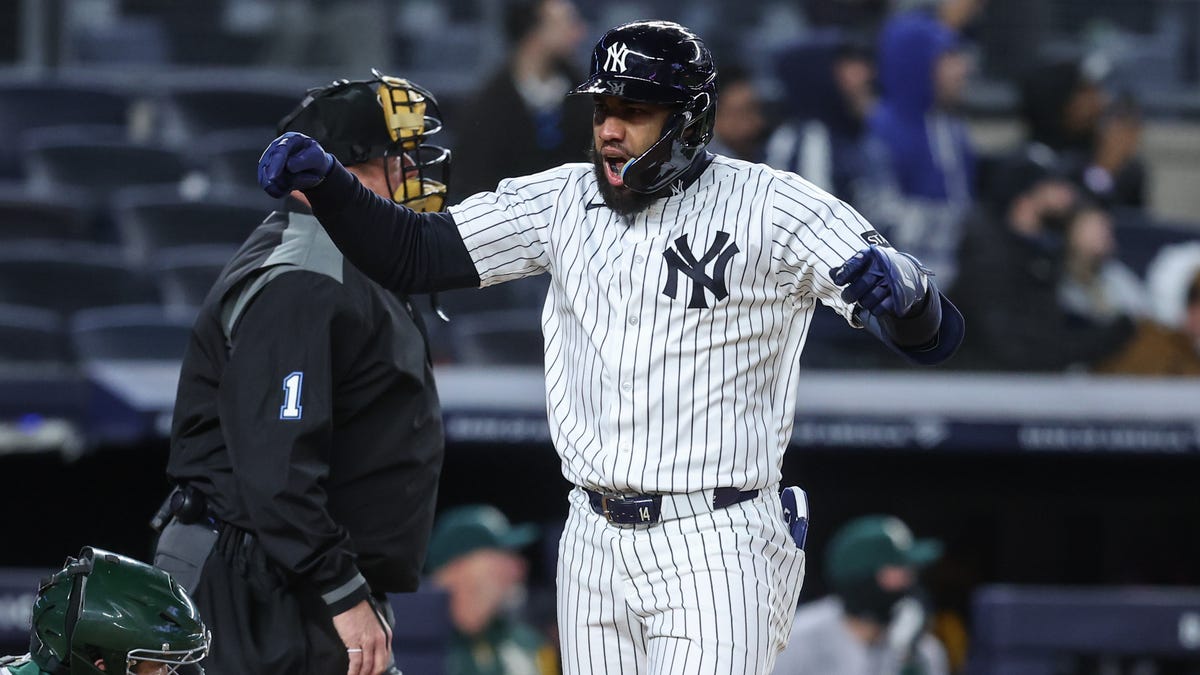
The 2026 MLB season has established a clear performance gap between the New York Yankees and the Oakland Athletics. New York’s 8-2 start is a byproduct of high-leverage offensive execution and a refined pitching infrastructure. As they enter the second game of this series, the contrast in organizational stability—spanning from media distribution to bullpen depth—serves as a case study in modern franchise management.
The Digital Frontier: Prime Video’s Media Leverage
The exclusive broadcast of Wednesday’s game on Prime Video signifies an institutional shift in sports media. By migrating high-value content to a global streaming platform, MLB is testing the elasticity of fan engagement and capturing granular data insights unavailable through linear television. For the Yankees, this digital pivot reinforces their status as a premium global asset, while the platform gains high-performing content to dominate the live sports vertical.
Pitching Optimization: Systemic Command vs. Veteran Reclamation
The Yankees’ 1.81 team ERA is the league’s most significant efficiency metric. Will Warren (1-0, 2.70 ERA) represents the team’s ability to integrate young talent into high-pressure roles via sophisticated pitch design. His command-first philosophy—evidenced by six strikeouts and zero walks in his previous outing—minimizes systemic risk despite high-variance events like solo home runs.
Conversely, the Athletics struggle with veteran reclamation. Luis Severino’s 6.48 ERA reflects the difficulty of maintaining performance in a less optimized environment. This matchup highlights a divergence in player development: a high-capital contender maximizing youth versus a rebuilding organization struggling to stabilize veteran assets.
Bullpen Volatility and Capital Allocation
Late-inning reliability remains the primary competitive differentiator. The Yankees’ 5-3 victory in the opener was secured by David Bednar’s fifth save, validating New York’s investment in elite closing talent. This stability allows the Yankees to protect narrow leads, a luxury the Athletics currently lack. Mark Leiter Jr.’s eighth-inning collapse, surrendering four runs, exposed Oakland’s deficit in middle-relief depth, a structural weakness that high-efficiency teams are designed to exploit.
Tactical Versatility: Roster Depth and Offensive Resiliency
Amed Rosario’s emergence at third base provides the Yankees with vital tactical flexibility. His multi-home run performance in the series opener proves that New York has diversified its offensive profile, reducing reliance on core superstars. While Athletics’ 1B Nick Kurtz has shown flashes of power, Oakland’s inability to sustain pressure across the lineup prevents them from capitalizing on early-game advantages generated by starters like Aaron Civale.
Market Sentiment and Institutional Trajectory
The Yankees’ 1.81 ERA serves as a competitive moat, forcing opponents into a zero-error environment. Market confidence reflects this, with New York frequently positioned as heavy favorites. For the Athletics, the 3-7 start and recurring late-game failures present a reputational risk. Until Oakland synchronizes its offensive output with relief stability, they remain exposed to high-leverage volatility against elite AL competition.