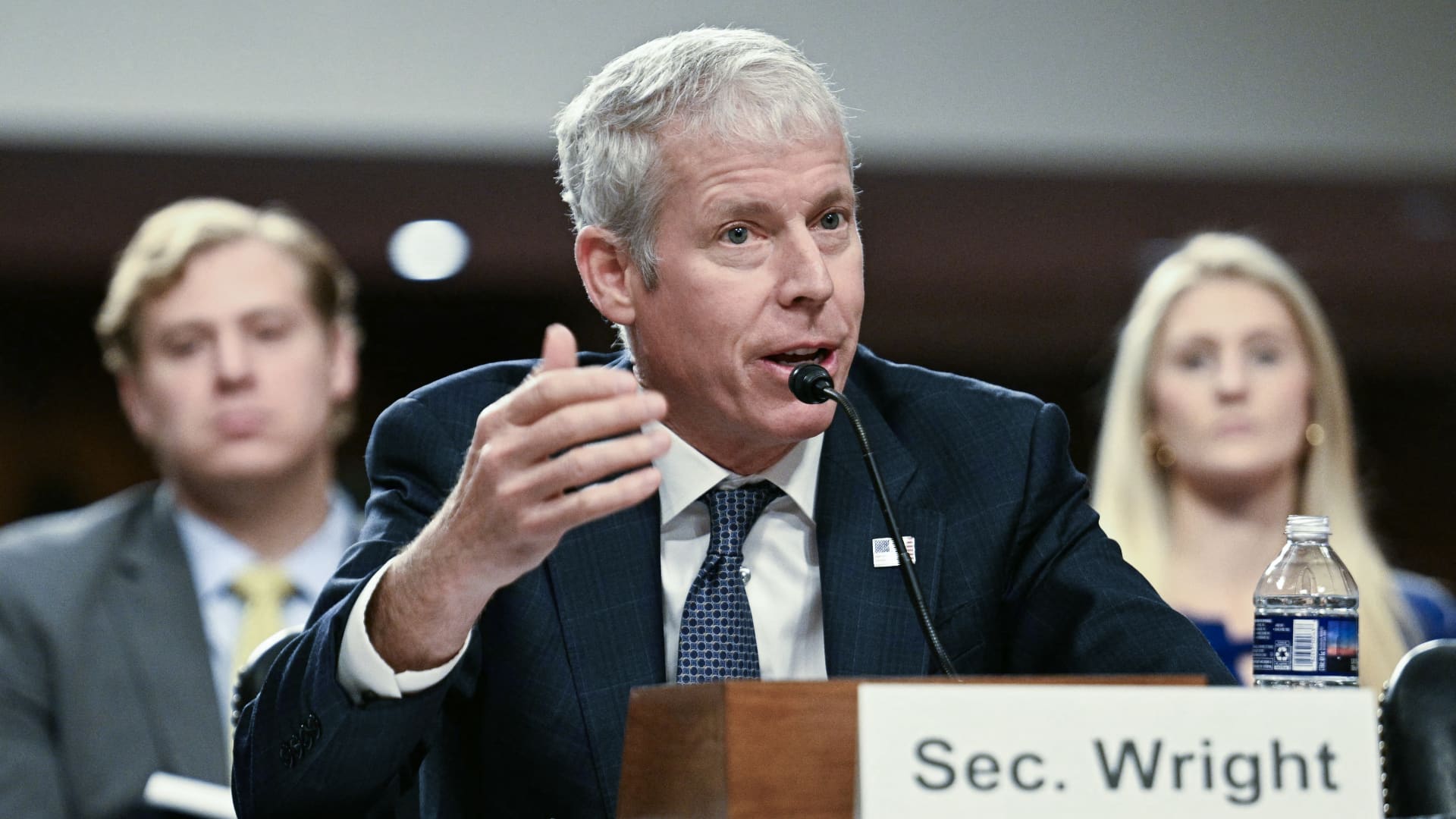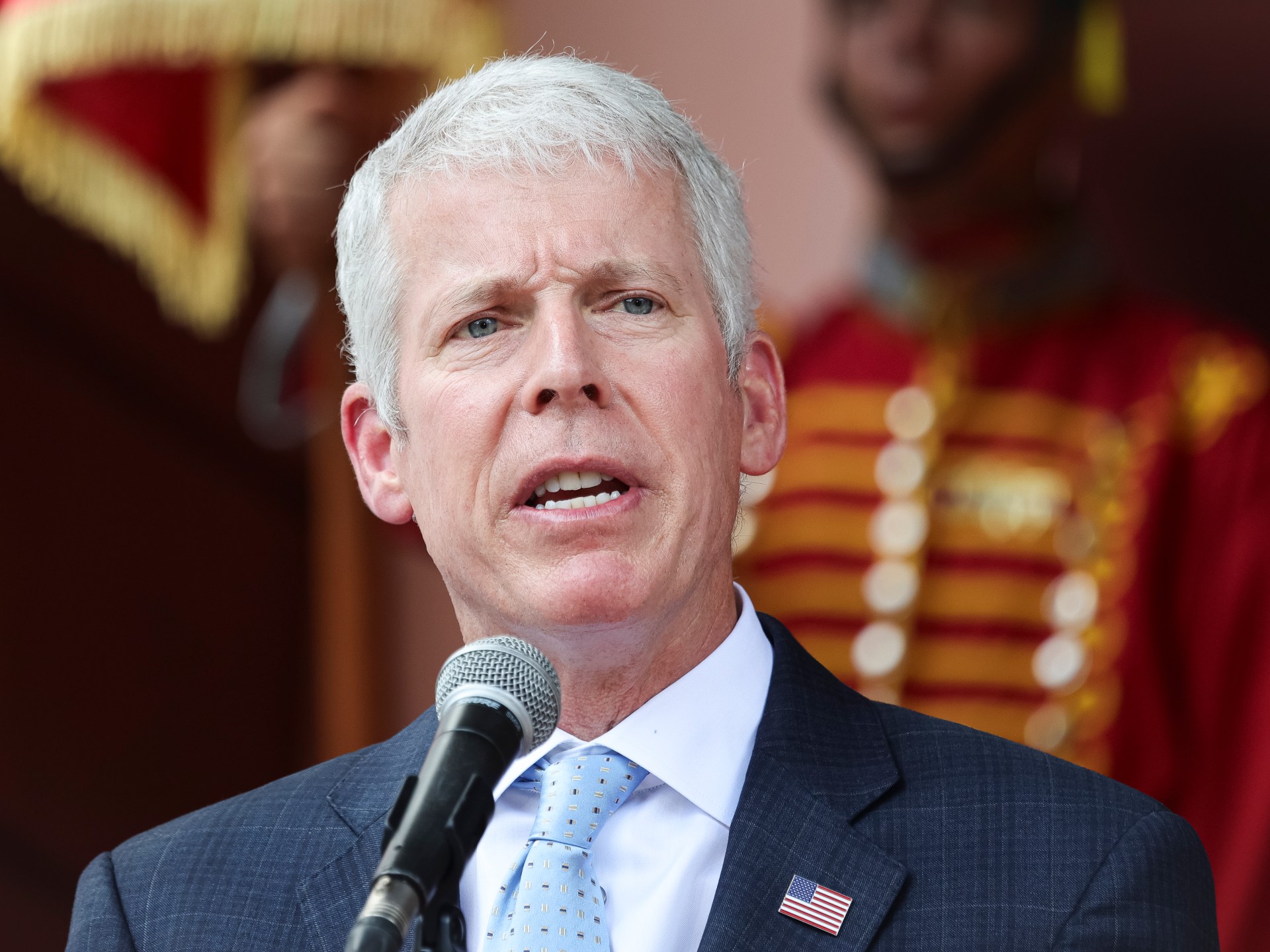
U.S. Energy Secretary Chris Wright stated publicly that the United States may never reach a negotiated nuclear agreement to constrain Iran. Speaking on a prominent Sunday news broadcast, Wright indicated that the administration’s initial diplomatic objectives regarding a formal treaty will likely remain unfulfilled as the bilateral conflict extends into its seventh month.
Preventing Iran from acquiring a nuclear weapon remains a central pillar of U.S. foreign policy. However, Wright’s commentary marks an operational pivot away from traditional diplomatic channels toward direct capability degradation and systematic destruction of hostile infrastructure, superseding the pursuit of a signed treaty.
Strategic and Operational Implications of the Conflict
The persistence of the U.S.-Iran conflict introduces sustained operational risk for global energy infrastructure and commodity pricing mechanisms. Prolonged hostilities have continuously influenced worldwide petroleum markets, driving prices upward as physical assets face ongoing threats. Market participants and institutional stakeholders must continuously recalibrate risk models to account for an environment devoid of diplomatic guardrails.
Wright explicitly contextualized the current confrontation within a multi-decade institutional framework lasting nearly half a century. Characterizing the effort as a long-term strategic undertaking underscores the absence of quick resolutions or temporary administrative fixes, highlighting the deep-seated friction between Washington and Tehran.
Market Repercussions and Stakeholder Exposure
Energy markets have reacted sensitively to ongoing hostilities, manifesting sustained volatility as tanker routes and production facilities encounter active threats. The tanker war dynamic directly impacts maritime insurance, shipping logistics, and international trade corridors, forcing commercial entities to absorb immediate financial exposure from security premiums.
Public cabinet-level commentary directly influences corporate risk assessment and capital allocation strategies across multinational energy corporations. As top officials signal the permanent absence of a stabilizing nuclear pact, corporate planners must prepare for enduring supply disruptions and price instability.
Institutional Context and Policy Trajectory
By publicly acknowledging that a diplomatic settlement may await a future Iranian administration, executive leadership manages domestic and international expectations. This transparency clarifies that current policy instruments rely heavily on punitive degradation rather than cooperative treaty structures, reinforcing a multi-decade containment strategy.