
New Champion Faces Immediate Challenges Following Victory
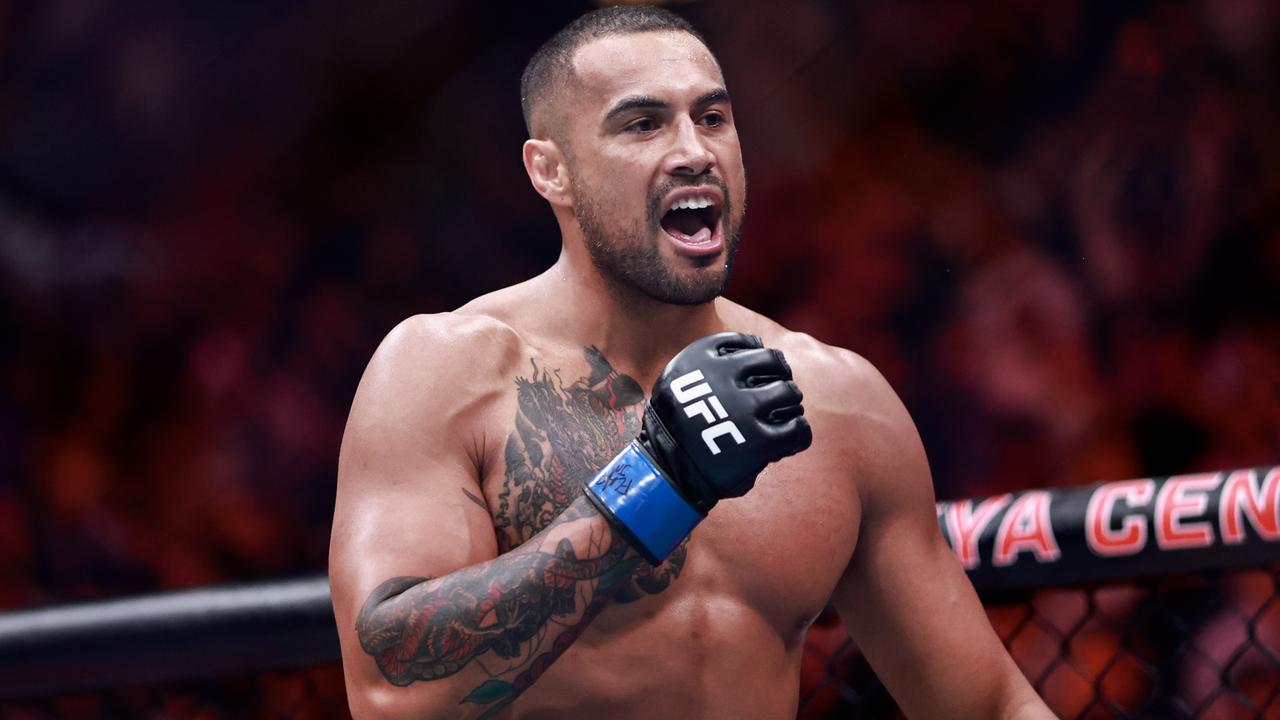
Newly crowned UFC Light Heavyweight Champion Carlos Ulberg’s victory at UFC 327 has been overshadowed by immediate operational and strategic challenges. The events surrounding Ulberg’s win highlight the complex dynamics of professional combat sports, where athletic achievement intersects with institutional management, competitive positioning, and personal conduct. Ulberg secured the light heavyweight title against Jiří Procházka, continuing an impressive win streak. However, the victory came at a high physical cost, with Ulberg visibly damaging his knee in the opening round, and was followed by the subsequent loss of his championship belt during post-fight celebrations.
The Physical Cost: Operational Instability and Competitive Vacuum
The severity of Ulberg’s injury, described as a “busted right knee” that nearly ended his title bid, creates a significant strategic challenge for the UFC. The fighter’s decision to continue despite struggling with the injury demonstrates resilience, but it introduces immediate uncertainty regarding the operational continuity of the division. The delay in medical assessment, with Ulberg prioritizing celebration over immediate diagnosis, prolongs uncertainty regarding his recovery timeline and future title defenses.
For the UFC, a champion entering a new reign with a significant injury disrupts the competitive landscape and event scheduling. The light heavyweight division, which recently saw Alex Pereira vacate the title to move up to heavyweight, requires stability at the top to maintain momentum. Ulberg’s potential extended absence creates a vacuum, forcing the promotion to consider alternative strategies to keep the division active and relevant for contenders. This situation immediately alters the competitive dynamics of the division’s top contenders, including the recently defeated Procházka and others in the rankings. A prolonged recovery period could necessitate the creation of an interim title, a common institutional mechanism used by the UFC to maintain activity and generate revenue when a champion is sidelined.
The Lost Belt: Brand Management and Champion Conduct
In addition to the physical injury, Ulberg’s post-fight conduct has introduced a separate set of challenges. Ulberg revealed that he lost the championship belt during post-fight celebrations in Miami. The physical championship belt holds significant symbolic weight within the combat sports ecosystem, representing the pinnacle of professional success and serving as a key element of the promotion’s brand identity. The casual loss of the belt during a celebration creates a narrative that contrasts sharply with the high-stakes professionalism of the fight itself. This incident raises questions about the new champion’s handling of the responsibilities associated with holding the title.
The media narrative surrounding Ulberg’s victory is now bifurcated between the story of a resilient warrior who fought through injury and the story of a champion who lost the symbol of his victory during celebration. While the injury narrative builds a persona of toughness and sacrifice, the lost belt incident introduces an element of perceived unprofessionalism or lack of respect for the title’s significance. This contributes to a specific public image for Ulberg, influencing how his reign is perceived and marketed by the promotion. The UFC’s brand identity relies on maintaining the prestige and value of its championships. Incidents like the lost belt present a challenge for brand management, requiring a balance between celebrating the new champion and upholding the institutional value of the championship itself.
Financial and Strategic Implications for the Promotion and Fighter
From an operational standpoint, Ulberg’s injury creates immediate scheduling difficulties for the UFC. The promotion relies on a steady stream of high-value events featuring champions to drive pay-per-view revenue and maintain market share. A sidelined champion forces the organization to pivot, potentially accelerating the timelines for other divisions or creating interim title fights to fill the void. This operational shift can affect the financial performance of upcoming events.
The financial impact on Ulberg himself is also significant. A champion’s earnings potential increases substantially with title defenses. A lengthy recovery period delays these opportunities, potentially affecting his long-term financial trajectory. The uncertainty surrounding the injury’s severity creates a period of financial risk for Ulberg, as his future earnings are directly tied to his ability to return to competition quickly and effectively.
Conclusion: Navigating the Aftermath of Victory
Carlos Ulberg’s title victory at UFC 327 marks a significant personal achievement, but the immediate aftermath reveals a series of operational and strategic challenges. The combination of a serious knee injury and the loss of the championship belt during celebration creates a complex situation for both the fighter and the promotion. Ulberg’s ability to navigate these immediate challenges will define the early stages of his championship reign and determine the long-term stability of the division. The UFC must strategically manage the medical uncertainty of the champion while addressing the public relations aspect of the lost belt to maintain the prestige of its light heavyweight championship.

Photo by Alexandra_Koch on Pixabay.