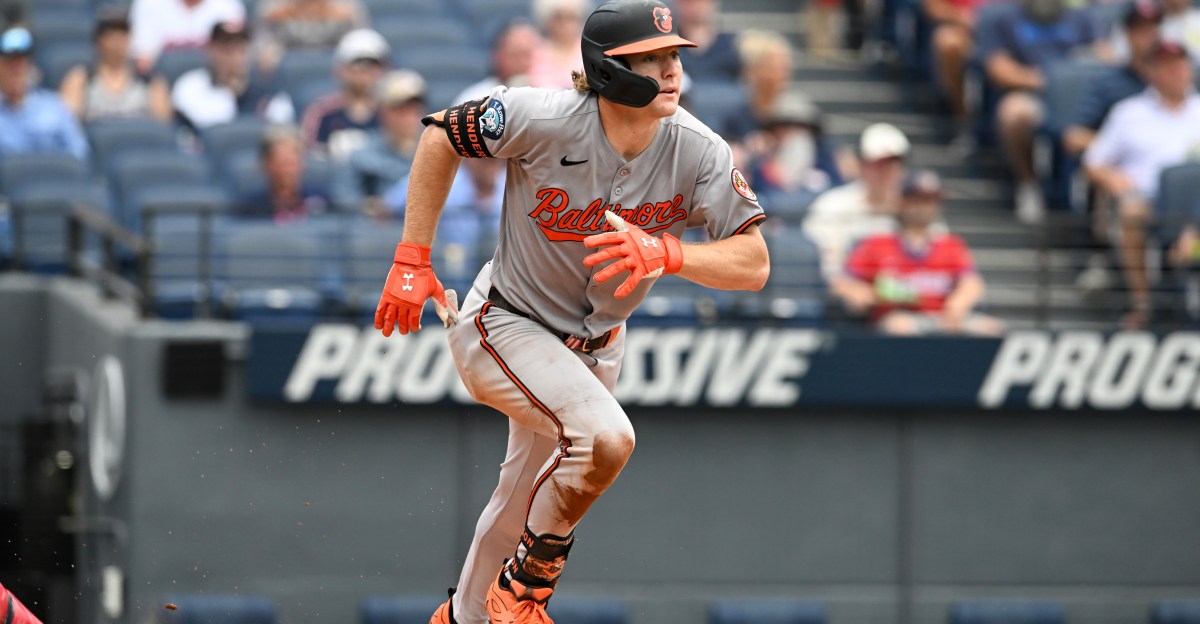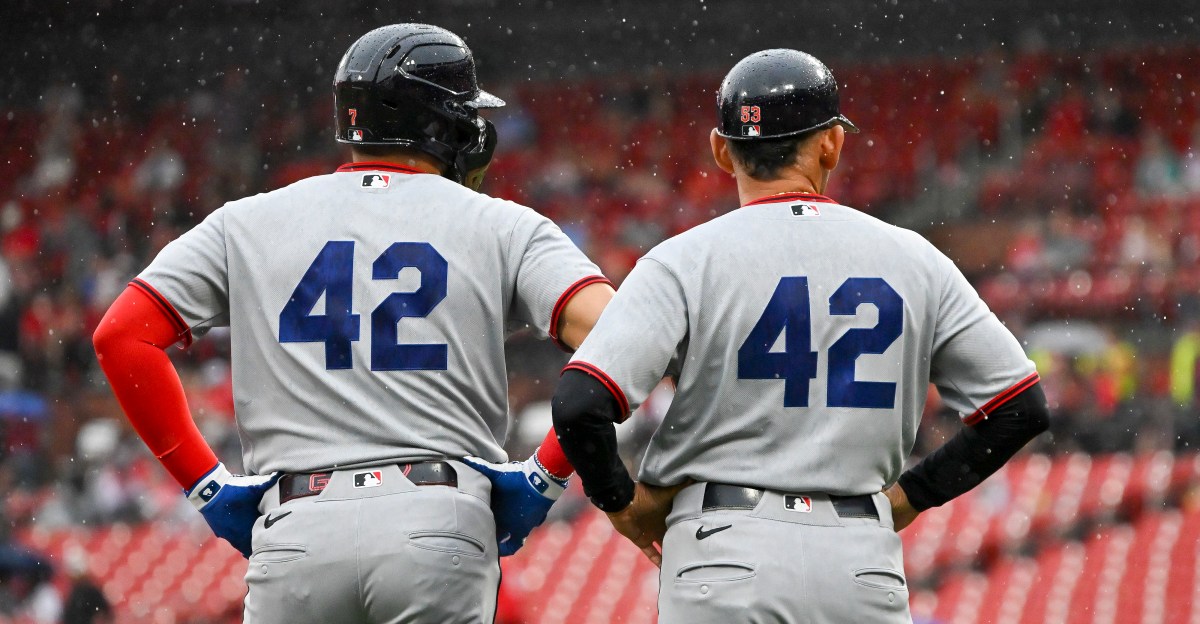
The Cleveland Guardians return to Progressive Field for a pivotal four-game series against the Baltimore Orioles, navigating a complex intersection of on-field performance volatility and emergent off-field institutional instability. Following back-to-back series losses to St. Louis and Arizona, the club’s 10-8 record underscores the fragility of their narrow AL Central lead established in the 2025 season. This upcoming home stand presents a critical stress test for a roster fundamentally constructed on internal development rather than aggressive external capital deployment.
MLBPA Executive Turnover: Strategic Implications
Parallel to on-field competitive developments, the Major League Baseball Players Association (MLBPA) faces an unexpected administrative crisis following the abrupt dismissal of its Chief Operating Officer and Head of Human Resources. This simultaneous removal of high-level executives suggests a profound shift in the union’s internal governance or operational strategy, although specific catalysts remain undisclosed. For players across MLB, including those in the Cleveland and Baltimore clubhouses, this creates a significant vacuum in administrative leadership during a period requiring vigilant oversight of labor-management relations.
The departure of both a COO and HR lead fundamentally disrupts the organizational continuity essential for managing the complex logistical and personnel needs of the union’s membership. Such institutional friction can trickle down to the player level, potentially compromising the efficiency of grievance procedures, benefit administration, and internal communication protocols. While the immediate impact on the Guardians-Orioles series is indirect, the long-term implications for labor stability and executive-level decision-making within the MLBPA warrant close scrutiny from all informed stakeholders.
The timing of these high-profile dismissals, just as the 2026 season enters its second month, compels the union to operate with a notably leaner executive core. This occurs at a juncture when player performance, market dynamics, and upcoming collective bargaining discussions are under intense scrutiny. The absence of a clear explanation for these departures further amplifies uncertainty regarding the union’s strategic direction, prompting stakeholders to closely monitor how the MLBPA intends to fill these critical roles to ensure robust player representation in ongoing institutional dialogues.
Guardians’ Roster Strategy: Balancing Development and Immediate Need
The Guardians’ current 10-8 standing reflects a team grappling with the inherent limitations of a rotation, which, despite projections of being deeper than its 2025 iteration, saw no major off-season acquisitions. This reliance on organic growth exerts immense pressure on the coaching staff to maximize the output of existing assets, such as Cade Smith, whose pitching mechanics have recently undergone intensive internal review. The strategic decision to prioritize roster continuity over pursuing high-cost free agents has created a high-stakes environment where marginal improvements in pitching efficiency are the sole drivers of competitive advantage.
Recent performance metrics, including the pronounced 13-1 loss to Atlanta and subsequent series defeat in St. Louis, vividly illustrate a widening gap between theoretical depth and on-field execution. These outcomes expose the critical vulnerability of a pitching staff that lacks the veteran insulation typically afforded by major market additions. Consequently, Guardians management is now compelled to reconcile their long-term developmental philosophy with the immediate and pressing need for consistent performance, especially as they prepare to face an Orioles team known for capitalizing on rotational inconsistencies.
The substantial operational burden of managing a pitching staff without significant external reinforcement demands a highly sophisticated approach to workload management and tactical deployment. Should the rotation fail to stabilize during this pivotal home stand, the Guardians may be compelled to accelerate the promotion of secondary prospects, a move that could disrupt carefully planned long-term development timelines. This strategic bottleneck sharply illuminates the systemic risks inherent in a low-expenditure, high-development model operating within the intensely competitive American League landscape.
Offensive Shifts: Ramírez’s Anchor and Outfield Dynamics
José Ramírez remains the undeniable foundational pillar of the Cleveland offense, consistently maintaining a production level that has seen him exceed an .800 OPS for nine consecutive seasons. His sustained elite output provides a critical baseline for a lineup currently experiencing significant variance across its secondary components. While Ramírez’s ability to anchor the middle of the order effectively mitigates some inherent risk associated with the developmental curves of younger players, his individual brilliance cannot entirely offset systemic slumps affecting other parts of the lineup.
The unexpected emergence of rookie outfielder Angel Martinez, boasting a .314 batting average, has injected a dynamic new variable into the Guardians’ daily lineup construction. Martinez’s immediate and impactful production has begun to directly cannibalize the playing time of established veterans, thereby generating a meritocratic tension that profoundly tests the clubhouse’s internal hierarchy. This significant shift in playing time allocation is a direct consequence of Martinez’s demonstrated high-contact utility—a specific offensive trait the Guardians’ front office has historically prioritized in their talent evaluations.
Conversely, Steven Kwan’s uncharacteristic early-season slump presents a distinct strategic challenge for the coaching staff, particularly given his contact-oriented profile is fundamental to the team’s overall run-manufacturing strategy. The simultaneous occurrence of Martinez’s ascendance and Kwan’s temporary decline necessitates a tactical reassessment of the outfield rotation and batting order. Navigating this delicate transition without alienating core contributors or inadvertently stalling the momentum of a highly productive rookie represents a nuanced and critical operational task for the Guardians’ leadership.
Guardians vs. Orioles: A Crucial Litmus Test
The four-game series at Progressive Field transcends a standard divisional crossover; it serves as a crucial litmus test for the Guardians’ capacity to defend their home turf, especially after a mediocre .500 showing on the road. Facing an Orioles squad actively seeking strategic answers after their own recent series loss to Arizona, Cleveland must aggressively leverage their familiarity with the home environment to regain vital momentum. The extended nature of a four-game series offers a statistically significant sample size to definitively evaluate whether recent losses were mere statistical outliers or stark indicators of deeper structural flaws within the team.
For the Baltimore Orioles, this visit to “The Jake” (Progressive Field) presents a prime opportunity to exploit a Cleveland rotation that has unmistakably displayed signs of fatigue and inconsistency. The overarching strategic battle will likely hinge on Baltimore’s hitters’ ability to relentlessly force early exits for Cleveland’s starting pitchers, thereby critically exposing a bullpen already heavily taxed during the recent arduous road trip. This tactical objective is paramount to Baltimore’s broader efforts to stabilize their own season and maintain a competitive pace in the fiercely contested American League East.
The definitive outcome of this series will profoundly influence the market perception of both franchises as the 2026 season approaches its first major inflection point. A dominant performance by Cleveland would not only validate their entrenched developmental model but also effectively silence critics of their notably quiet off-season. Conversely, a series loss would almost certainly intensify calls for immediate roster adjustments and significantly amplify pressure on the front office to address the perceived lack of veteran depth.
Guardians’ Outlook: Navigating Dual Challenges
As the Guardians and Orioles prepare for the first pitch, the broader context of MLB’s institutional health remains a salient background concern for all participants. The MLBPA’s recent internal executive churn serves as a potent reminder that the business of baseball is inherently as volatile and unpredictable as on-field performance. For the Guardians, however, the immediate imperative remains squarely on the precise technical execution of their game plan, with particular emphasis on implementing pitching adjustments identified in recent comprehensive scouting reports.
The Guardians’ capacity to sustain their AL Central title defense hinges critically on their ability to adeptly navigate these periods of performance variance without compromising their foundational long-term strategic goals. The successful integration of high-performing rookies like Angel Martinez alongside established stars such as José Ramírez constitutes the strategic blueprint for their sustained competitive relevance. Nevertheless, the margin for error is exceptionally slim, and this upcoming four-game series will furnish essential empirical data on the viability of this integrated approach within the demanding 2026 competitive environment.
Ultimately, the simultaneous intersection of executive-level upheaval at the MLBPA and the immediate tactical challenges on the field profoundly underscores the multifaceted and complex nature of modern professional baseball management. Sustained success in this dynamic environment necessitates not only athletic excellence and robust player development but also unwavering institutional stability and astute strategic foresight. As this crucial series unfolds, close attention will remain fixed on how these disparate yet interconnected factors converge to irrevocably shape the trajectory of the Guardians’ season and, by extension, the broader landscape of Major League Baseball.