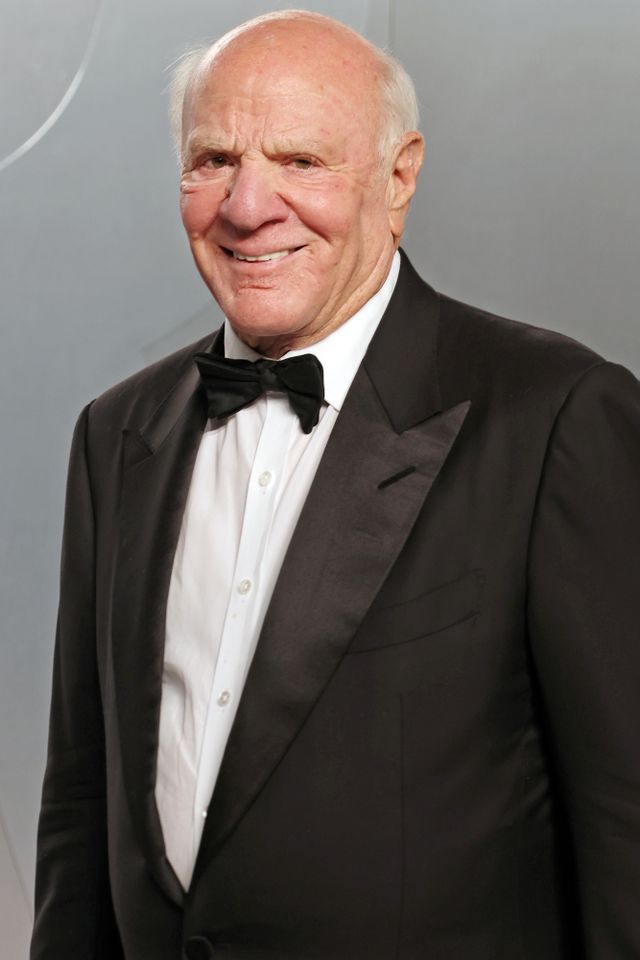
The professional trajectory of Barry Diller serves as a seminal case study in the structural reorganization of the American media landscape. By dismantling the agency-driven ‘package’ model and instituting a framework of internal development, Diller shifted the industry’s center of gravity from talent brokerage to institutional sovereignty.
His tenure at the William Morris Agency mailroom in 1960 functioned as a laboratory for understanding the mechanics of creative arbitration. This exposure revealed how agencies leveraged bundled talent—scripts, directors, and actors—to extract disproportionate value from studios. Diller’s subsequent departure from UCLA after three weeks signaled a preference for operational immersion over academic abstraction, positioning him to exploit the vulnerabilities of an aging studio system.
Paramount Pictures: The Pivot to Upstream Control
In the mid-1970s, Diller identified a systemic inefficiency at Paramount: the reliance on external ‘packages’ inflated production overhead while ceding creative control. His strategic reorientation prioritized in-house incubation, transforming the studio into a proactive architect of intellectual property rather than a reactive financier of external concepts.
This shift necessitated a robust internal infrastructure to identify and refine raw narratives into commercially viable assets. The success of films like Looking for Mr. Goodbar and Saturday Night Fever validated this instinct-led, vertically integrated approach. By controlling the development pipeline, Paramount achieved superior margin protection and the ability to optimize release schedules, creating a predictable revenue engine that outperformed the fragmented competition.
The IAC Transition: Scaling Digital Verticality
Diller’s transition to IAC (InterActiveCorp) represented the application of these studio principles to the nascent digital economy. The core thesis remained consistent: identify undervalued assets and scale them through centralized operational discipline. The IAC portfolio—encompassing brands like Tinder, Vimeo, and The Daily Beast—reflects a pivot toward high-growth digital verticals with recurring user engagement.
This diversification strategy mitigates the cyclical volatility inherent in the film industry. By building a conglomerate of digital brands, Diller achieved a resilient corporate structure characterized by proprietary technology and data-driven autonomy, reducing reliance on the volatile talent-market dynamics of traditional media.
Psychological Architecture and Risk Assessment
Insights from Diller’s memoir, Who Knew?, suggest his professional risk tolerance was forged in an environment of high self-reliance and emotional distance. The contrast between his structured upbringing and the tragic instability of his brother Donald, a piano prodigy derailed by addiction, likely reinforced Diller’s preference for institutional stability over individual talent volatility.
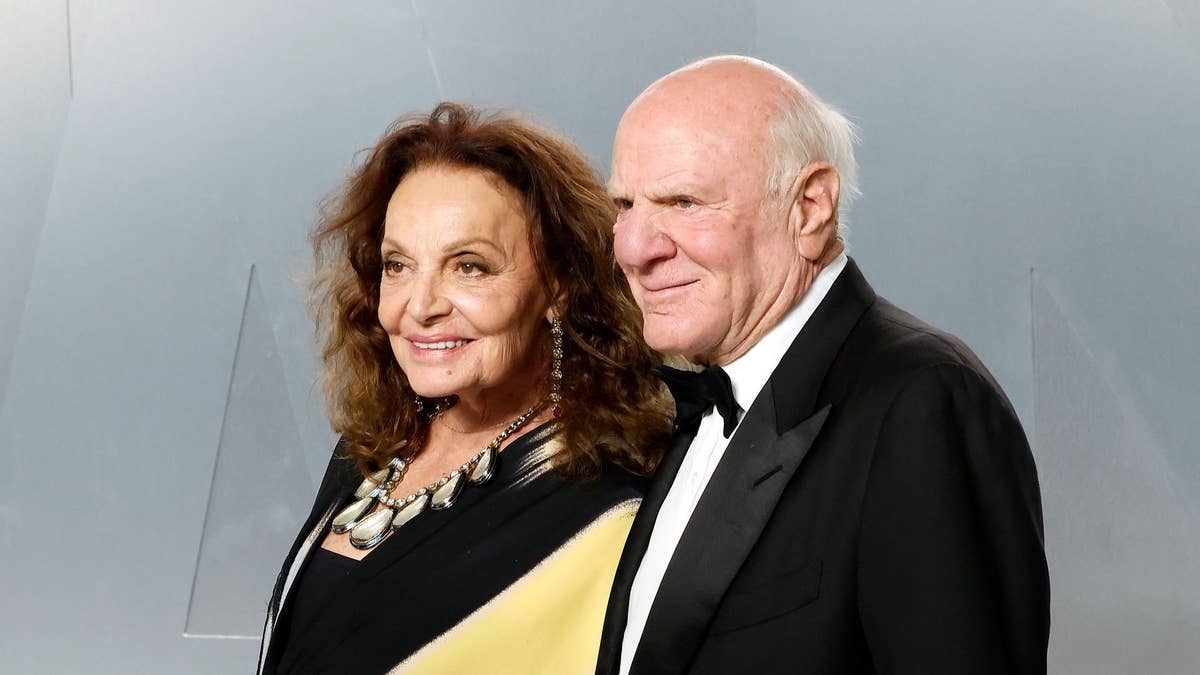
His marriage to Diane von Fürstenberg further intersects his career with a global elite focused on brand longevity and distinct market identity. Diller’s reliance on ‘gut instinct’ is not a rejection of data but a strategic tool for rapid decision-making in environments where consensus leads to stagnation.
Institutional Legacy and Market Evolution
Diller’s legacy is defined by the transition of the media company from a passive bank to an active creator. This model is the direct precursor to the modern streaming era, where proprietary content libraries are the primary source of competitive advantage. The shift forced agencies to diversify their service offerings and rebalanced power in favor of the owners of the development process.
As the digital landscape continues to consolidate, the Diller Doctrine remains relevant. The current emphasis on vertical integration and direct-to-consumer relationships reflects the same pursuit of strategic autonomy that characterized his leadership at Paramount and IAC. His career demonstrates that in an unpredictable market, the ultimate asset is the disciplined control of the means of production.