Analytical Assessment of Severe Weather Infrastructure Impacts
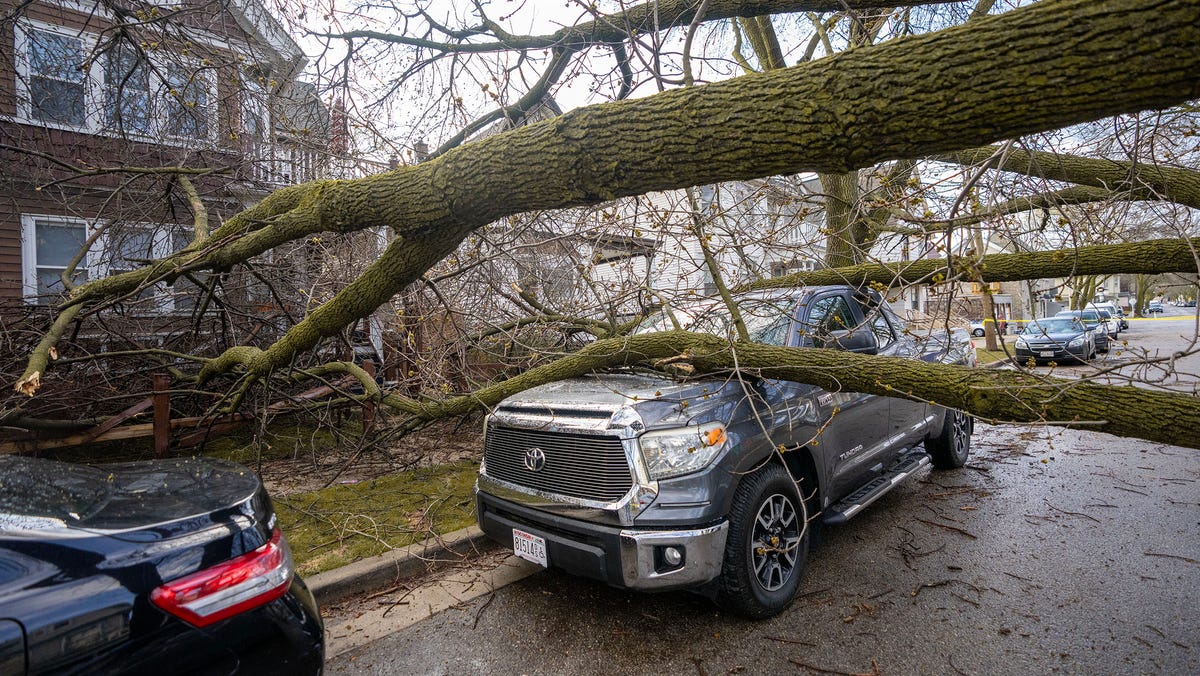
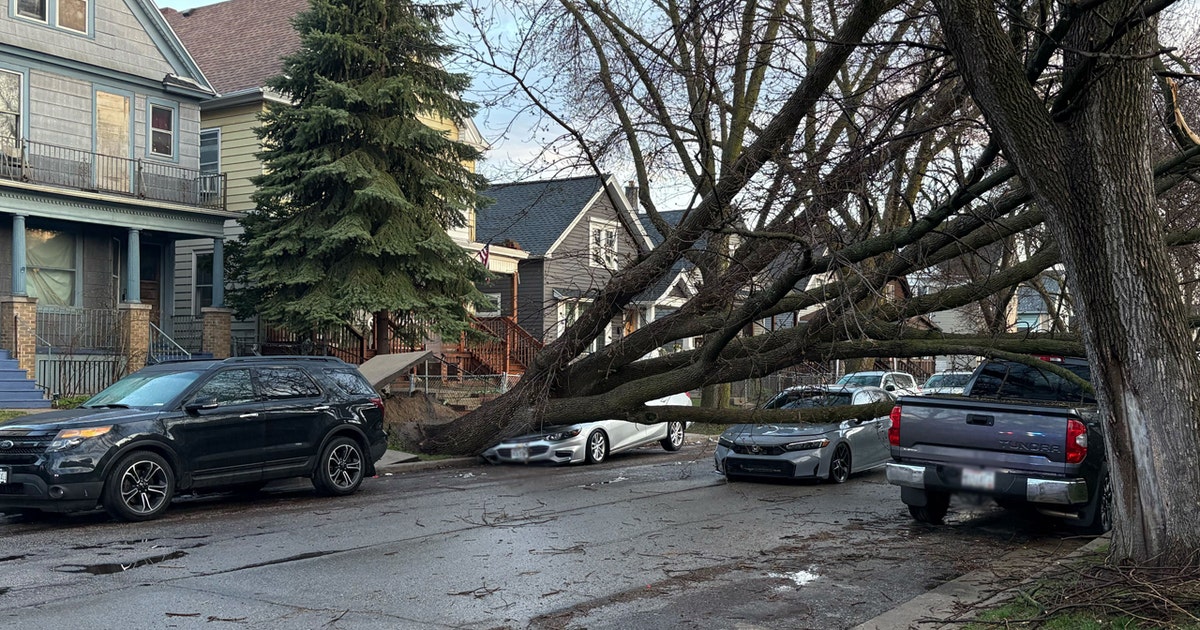
The severe weather event on April 14, 2026, served as a critical stress test for Southeast Wisconsin’s utility framework. High-velocity winds and localized storm cells caused widespread structural failure across Milwaukee and Waukesha counties, primarily compromising electrical distribution networks and residential property.
We Energies reported peak outages affecting over 51,000 customers. This data point highlights a systemic vulnerability in traditional overhead power lines, where structural fatigue leads to snapped utility poles and energized lines. The correlation between mature urban canopy and grid failure suggests that current vegetation management programs require re-evaluation in the context of increasing storm intensity.
Grid Restoration and Logistical Efficiency
The restoration of 45,000 customers by mid-afternoon reflects significant operational capacity, yet it underscores the inherent limitations of reactive disaster response. Utility logistics are prioritized by population density and infrastructure criticality, leaving secondary regions subject to prolonged outages. This cycle of damage and manual repair represents an inefficient allocation of capital compared to proactive grid hardening strategies, such as undergrounding or circuit reinforcement.
Economic and Socio-Political Dimensions
Beyond utility disruption, the event caused localized economic shocks. Homeowners in North Prairie and Milwaukee experienced direct asset devaluation through structural home damage and vehicular loss. These incidents place immediate pressure on municipal debris removal and private insurance markets, creating a secondary economic ripple effect that impacts local business continuity and regional mobility.
Strategic Planning and Institutional Policy
The National Weather Service’s early issuance of tornado watches proved vital for disaster mitigation, yet it highlights a disparity between early warning efficacy and physical infrastructure protection. Future regional planning must integrate climate-adaptive urban design. The policy trade-off involves weighing the immense upfront capital expenditure of grid modernization against the escalating recurring costs of emergency response and service restoration.
Synthesizing Systemic Resilience
The cleanup efforts in Waukesha demonstrate community adaptive capacity, yet they mask underlying structural fragility. Sustainable urban development requires a transition from reactive recovery to systemic resilience. This entails a coordinated long-term investment strategy addressing the intersection of environmental volatility, public safety, and utility reliability, ensuring regional infrastructure can withstand the pressures of evolving climate patterns.