Organizational Resilience and Tactical Pivot Points
The Baltimore Orioles’ 9-7 victory over the Arizona Diamondbacks on April 13, 2026, serves as a masterclass in win-probability recovery. Overcoming a 7-1 deficit, Baltimore reinforced a competitive identity defined by late-inning leverage. This performance is particularly noteworthy given the roster’s current attrition, with 13 players on the injured list, signaling robust institutional depth and a high-functioning developmental pipeline.
Dugout Volatility: The Albernaz Incident
The game’s trajectory shifted in the fifth inning following a high-impact foul liner that struck bench coach Craig Albernaz. This incident forced an immediate tactical reorganization within the dugout. For the hitter responsible, Jeremiah Jackson, the event presented a significant psychological hurdle, testing the player’s ability to maintain focus amidst localized trauma.
Jeremiah Jackson: Leveraging Emotional Maturity into Offensive Value
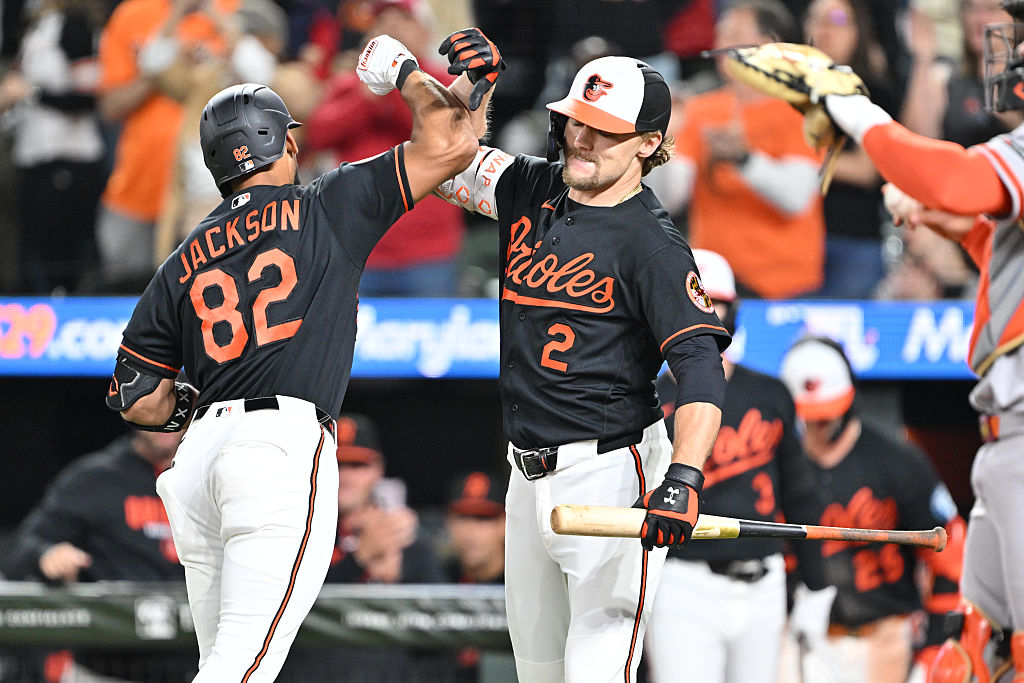
Jackson’s response to the mid-game disruption was statistically profound. Following an infield single, Jackson delivered a sixth-inning grand slam off Taylor Rashi, single-handedly pivoting the momentum. His subsequent eighth-inning home run off Andrew Hoffman secured his first career multi-homer game, demonstrating a rare capacity to compartmentalize high-stress variables while maintaining swing integrity.
Systemic Failure in Arizona’s Relief Hierarchy
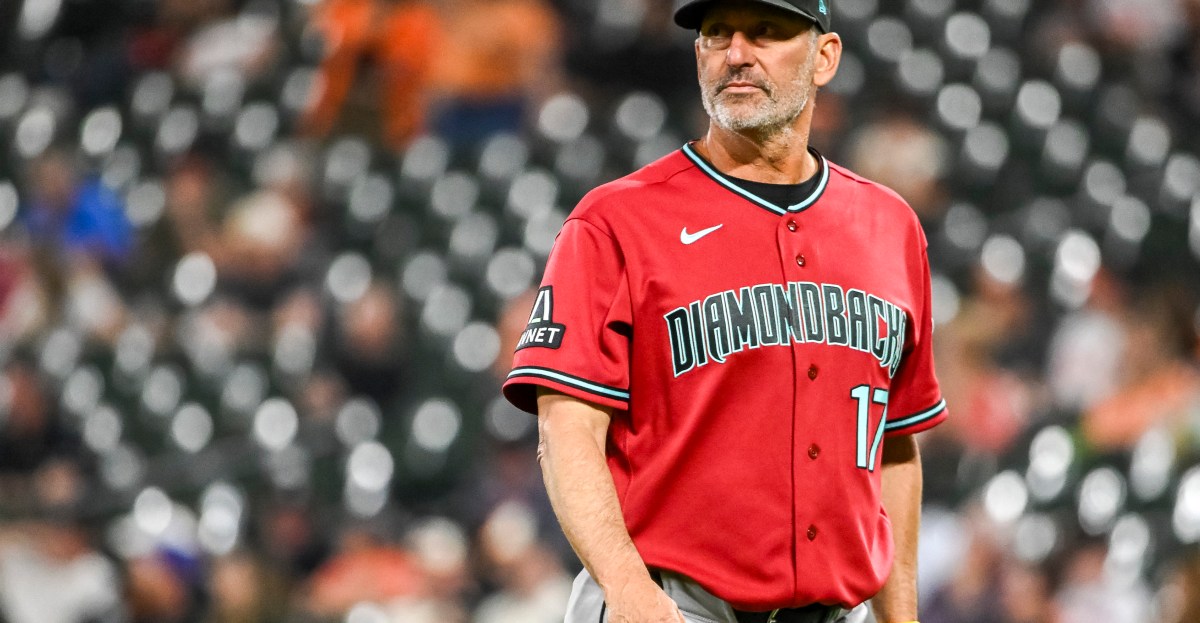
The Diamondbacks’ surrender of a six-run lead highlights the precarious nature of modern bullpen management. Arizona’s relievers allowed seven runs in just 2.2 innings, a cascading failure triggered by poor pitch execution in high-leverage counts. This collapse underscores the risks inherent in a relief corps that lacks the velocity or movement profile to neutralize a lineup specialized in situational hitting.
The Alonso Variable: High-Velocity Capitalization
Pete Alonso’s seventh-inning, two-run homer off Johnny Lasagna validated the Orioles’ investment in veteran power anchors. By punishing a high-velocity mistake, Alonso provided Baltimore’s first lead, illustrating how elite power hitters force opposing managers into suboptimal deployment strategies. Alonso’s presence serves as a strategic deterrent, complicating late-game pitching rotations.
Offensive Anomalies and Regression Realities
The contest featured significant offensive variance; Arizona, entering with only nine home runs in eleven games, recorded four home runs by the sixth inning. However, this power surge proved unsustainable without defensive stabilization. The Orioles’ ability to absorb this outlier performance and counter with concentrated power indicates a superior grasp of game-state management and offensive efficiency.
Market Positioning and Downstream Implications
For Baltimore, the 9-7 record achieved through improbable comebacks strengthens their brand as a resilient contender, influencing the psychological approach of future divisional opponents. Conversely, Arizona must re-evaluate its relief hierarchy and scouting application to prevent systemic collapses in late-game high-leverage windows.