Operational Vulnerabilities at Federal Installations
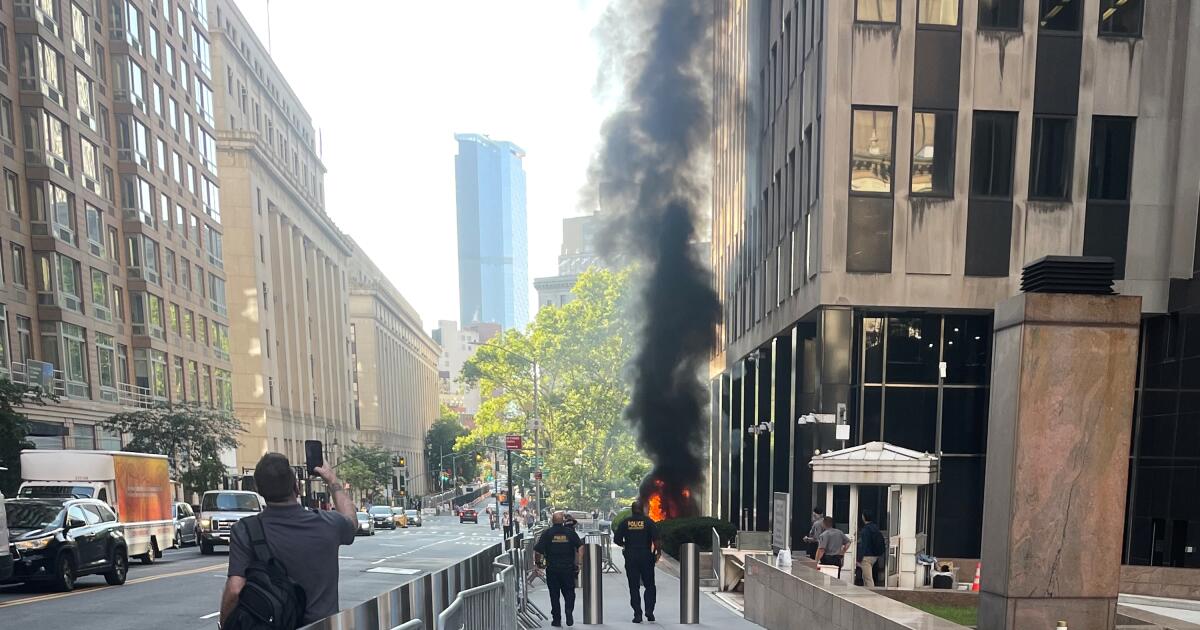
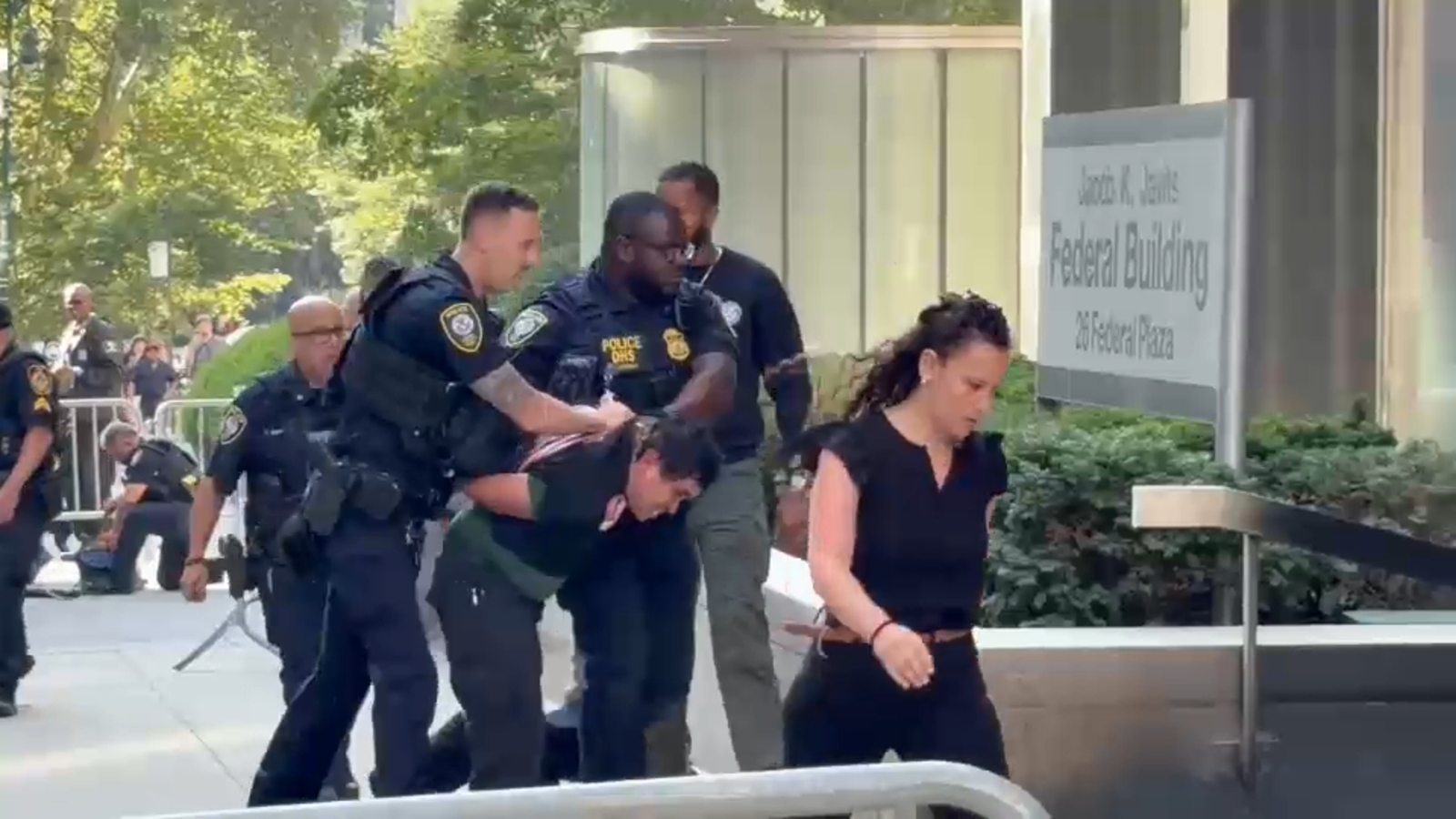
The recent incendiary device deployment at 26 Federal Plaza illustrates the heightened risk profile of high-visibility government facilities in dense urban corridors. Housing critical operations for the FBI, ICE, and federal courts, the building serves as a symbolic and tactical target for actors aiming to disrupt administrative continuity. This incident demonstrates that even when perimeter security effectively contains a kinetic threat, the operational friction caused by such breaches imposes significant resource burdens on federal law enforcement.
The Threat of Improvised Tactics
The utilization of common materials—fireworks and accelerants—coupled with the suspect’s premeditated collection of airsoft weaponry, knives, and tools, highlights a shift toward low-cost, high-visibility disruption. Unlike organized systemic threats, these individual, tactical-level actors exploit the threshold between protected civil discourse and kinetic aggression, complicating predictive intelligence. For security planners, the challenge lies in balancing the maintenance of open access to government services with the necessity of rigorous, proactive screening protocols.
Institutional Response and Risk Mitigation
The involvement of the FBI’s New York Joint Terrorism Task Force (JTTF) signifies an elevation of the incident from a local disturbance to an issue of national security and institutional integrity. This inter-agency response model is essential for managing multifaceted risks but requires sustained, high-level administrative coordination. The reliance on shelter-in-place protocols, while effective for personnel safety, underscores the inevitable economic and temporal costs inherent in protecting high-traffic, controversial government hubs.
Future-Proofing Federal Security
The 26 Federal Plaza event serves as a catalyst for re-evaluating perimeter defense strategies. Effective mitigation depends on the intersection of three pillars: real-time surveillance, physical barrier hardening, and advanced behavioral analysis of repeat offenders. As federal buildings continue to function as lightning rods for political polarization, agencies must navigate the fine line between security-hardened installations and accessible public institutions. Moving forward, a multi-layered defense strategy—blending traditional surveillance with rapid, intelligence-driven intervention—remains the benchmark for preserving operational resilience against evolving domestic threats.