Institutional Realignment and the Strategic Review Process
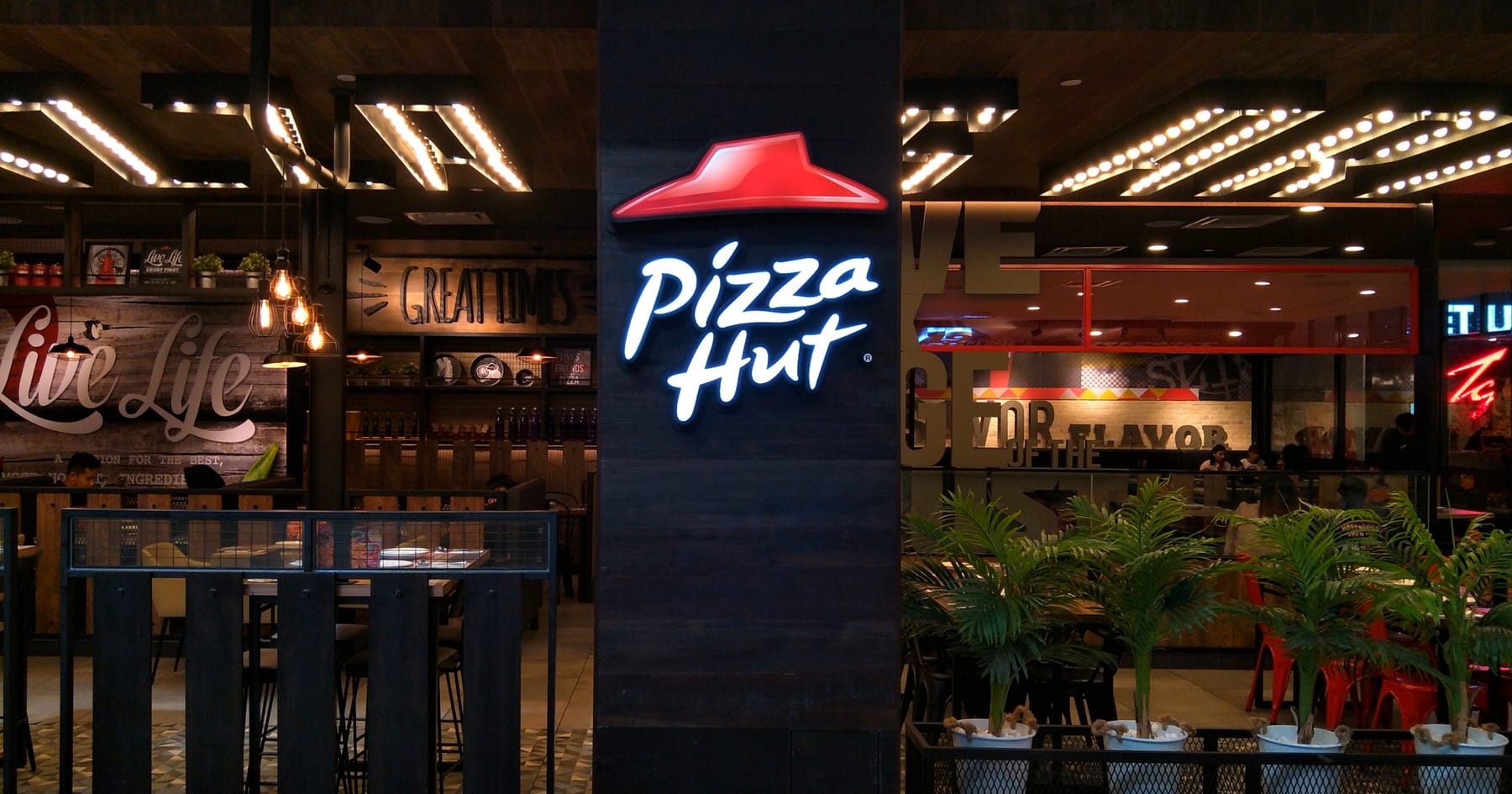
Yum! Brands has formally initiated a significant restructuring phase for its Pizza Hut division, signaling a shift in how the parent company manages its diverse portfolio of quick-service restaurant brands. This strategic review is characterized by an internal evaluation of operational health, focusing on the alignment between physical assets and the company’s long-term digital objectives.
The administrative decision to close approximately 250 locations in the United States highlights a rigorous internal auditing process. This process identifies specific units deemed as underperforming based on standardized corporate benchmarks for profitability and market relevance.
The Mechanics of Underperformance and Portfolio Pruning
In the context of a global holding company like Yum! Brands, the term underperforming serves as a technical designation for assets that no longer meet the threshold for capital efficiency. These closures are not isolated events but are instead part of a broader institutional policy to optimize the footprint of the brand within the domestic market.
Structural adjustments of this magnitude often involve the assessment of lease obligations, unit-level economic viability, and the geographic distribution of existing restaurants. By removing underperforming units, the organization seeks to stabilize the overall health of the brand’s domestic operations while redirecting resources toward more productive channels.
Marketing and Technology as Structural Pillars
The strategic review explicitly prioritizes a program of improved marketing and technology as a replacement for traditional physical expansion. This shift represents an institutional recognition that modern consumer engagement is increasingly mediated through digital platforms rather than traditional dine-in infrastructure.
The integration of technology into the core business model involves substantial administrative changes in order-processing, data management, and delivery logistics. This technological pivot is intended to streamline operations and reduce the overhead costs associated with maintaining a large network of legacy restaurants that may not be optimized for digital delivery.
Administrative Governance and Brand Stewardship
Yum! Brands, as the governing entity for KFC and Taco Bell in addition to Pizza Hut, employs a portfolio management strategy that necessitates periodic rebalancing. The ongoing strategic review serves as a mechanism for brand stewardship, ensuring that Pizza Hut remains competitive against evolving industry standards.
This review process is a formal institutional exercise that involves the coordination of corporate leadership, franchise stakeholders, and operational analysts. The objective is to establish a more resilient business architecture that can sustain current market pressures through leaner, technology-driven operations.
Legal and Procedural Context of Store Closures
The closure of 250 restaurants is a complex administrative procedure that must adhere to franchise agreements and regional labor regulations. While the parent company sets the strategic direction, the execution of these closures involves the termination or non-renewal of specific operational contracts.
It is important to note that these closures and the associated strategic review are internal corporate actions. At this stage, the documented facts relate to organizational restructuring and do not constitute a final judicial or regulatory finding regarding the brand’s long-term viability or legal standing.
Synthesis of Institutional Objectives
The decision to contract the physical footprint of Pizza Hut while expanding its digital and marketing capabilities reflects a fundamental change in the brand’s operational philosophy. This transition from a real-estate-heavy model to a technology-centered approach is a calculated response to shifting market dynamics.
By prioritizing marketing efficiency and technological integration, Yum! Brands is attempting to modernize an embattled brand through administrative discipline and strategic consolidation. The focus remains on strengthening the brand’s core infrastructure early this year to prepare for a more digital-centric operational environment.