
Seattle Center Shooting Incident Analysis
The Seattle Police Department is investigating a shooting at Seattle Center that resulted in multiple victims. Authorities confirmed the ongoing investigation via a statement on X, advising the public to avoid the area. The incident immediately stressed local healthcare infrastructure, with Harborview Medical Center confirming it received injured individuals.
The Seattle Center was hosting the annual Bite of Seattle festival, a large-scale event featuring numerous vendors and musical performances. The inherent complexity of securing such a public gathering is now under intense scrutiny. Witness accounts describe hearing seven to eight gunshots, followed by panic and evacuation, highlighting the critical need for robust emergency response plans and clear communication during active threats.
In the incident’s aftermath, the Seattle Center Monorail suspended operations for the day, impacting public transit and visitor mobility, and was slated to resume Monday. This disruption underscores the broader impact of security incidents on venue accessibility and regional transportation networks.
Stakeholder Impact and Risk Assessment
Event Organizers & Vendors
Bite of Seattle organizers face significant reputational and financial risks. The shooting directly impacts the perceived safety of future events, potentially leading to reduced vendor participation and ticket sales due to public apprehension. Local vendors, reliant on festival revenue, are exposed to substantial financial risk, including lost sales and spoilage, disproportionately affecting small businesses.
Seattle Center & Municipal Authorities
The Seattle Center, as the venue, faces heightened scrutiny regarding its security infrastructure and emergency preparedness. The incident necessitates a comprehensive review of existing safety measures and potential investments in enhanced security technology and personnel. Municipal authorities, including law enforcement and city officials, are responsible for public safety, demanding a thorough investigation, perpetrator apprehension, and public reassurance. This also prompts policy reviews on crowd management and event permitting.
Public & Attendees
Attendees and the general public experience a direct impact on their sense of security, potentially reducing their willingness to participate in large public gatherings. The incident may foster a climate of fear, leading to decreased event attendance and increased demand for visible, effective security. Those injured face immediate medical care and long-term recovery, while the event also raises broader societal questions about gun violence in public spaces.
Operational & Strategic Repercussions
Security Protocol Enhancement
The shooting will trigger a rigorous review of security protocols at Seattle Center and comparable venues. This includes evaluating existing measures like bag checks, metal detectors, surveillance, and personnel deployment. Operational adjustments may involve increased staffing, enhanced active shooter response training, and advanced threat detection technologies, representing significant capital expenditures.
Economic Viability of Public Events
The long-term economic viability of public festivals is challenged by escalating security costs, potential insurance premium hikes, and the risk of cancellations. City governments and tourism boards must balance economic benefits against rising safety costs, potentially recalibrating event funding and support strategies.
Media & Public Perception Management
The incident will significantly shape media coverage and public perception of the Seattle Center and Bite of Seattle. Negative press can deter attendance and impact the venue’s reputation. Effective crisis communication and transparent reporting are crucial for rebuilding confidence, emphasizing a commitment to addressing root causes and implementing preventative measures.
Broader Sectoral Implications
Event Industry Standards Evolution
This incident contributes to the ongoing discussion on security challenges within the global event industry, likely influencing updated industry standards for event security management. Industry associations may face pressure to mandate stricter requirements, fostering a more standardized risk assessment and mitigation approach for public events.
Public Space Management Re-evaluation
The shooting highlights the societal challenge of balancing safety and accessibility in public spaces, forcing a re-evaluation of security integration in urban environments. Cities and venue operators must collaborate on innovative solutions, potentially incorporating community engagement and intelligence-led policing.
Legal & Insurance Landscape Shifts
The legal and insurance landscape for public events is likely to evolve, with potential for increased lawsuits related to security negligence and higher insurance premiums for organizers. This could lead to more stringent contractual obligations and impact insurance availability and cost for high-risk events.
Future Outlook & Strategic Imperatives
The ongoing investigation is critical for identifying specific security vulnerabilities and response effectiveness, informing future investments and strategies. A multi-faceted approach encompassing enhanced physical security, improved intelligence gathering, community outreach to prevent violence, and swift, coordinated emergency response is essential for maintaining public confidence and ensuring the continued viability of large-scale public events.
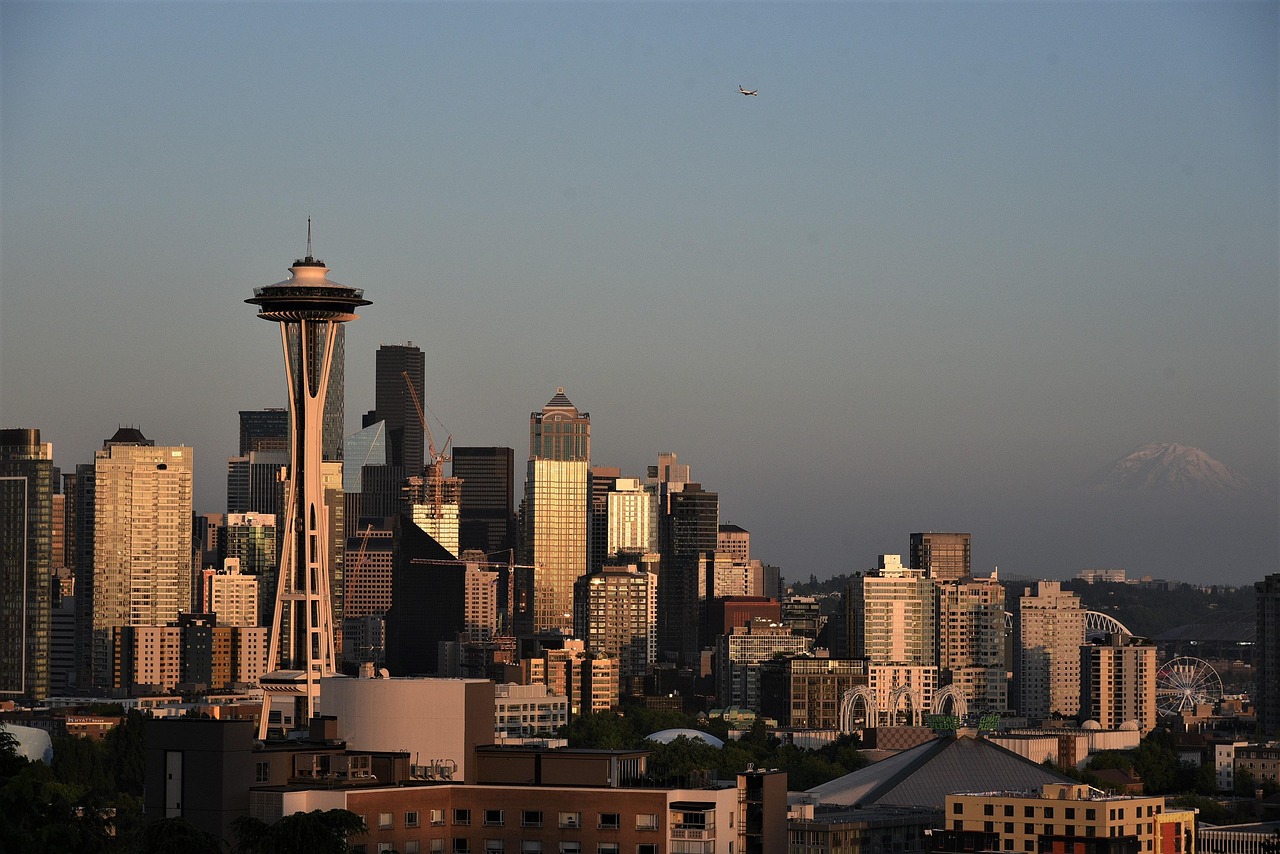
Cover photo by Veronika_Andrews on Pixabay.