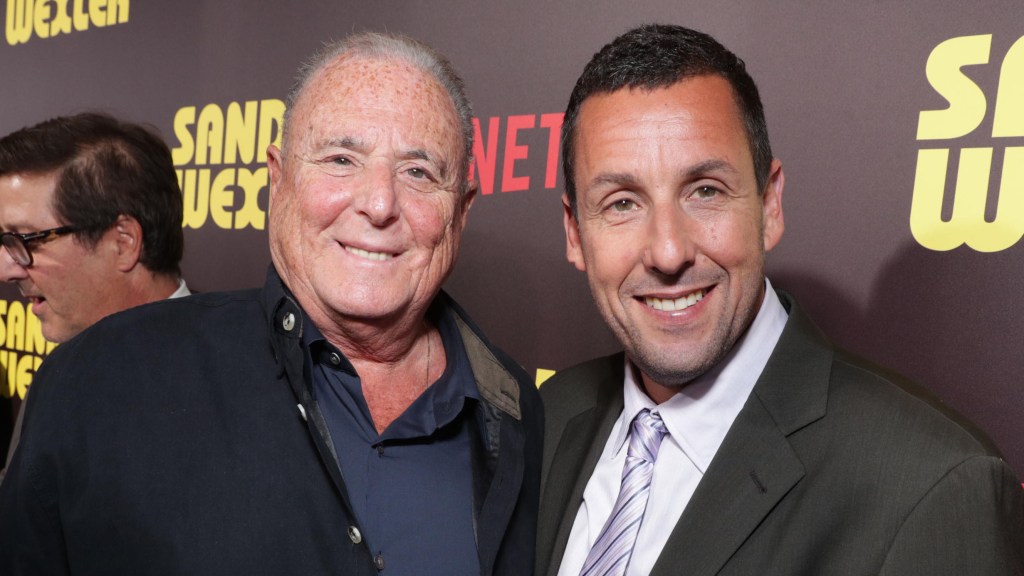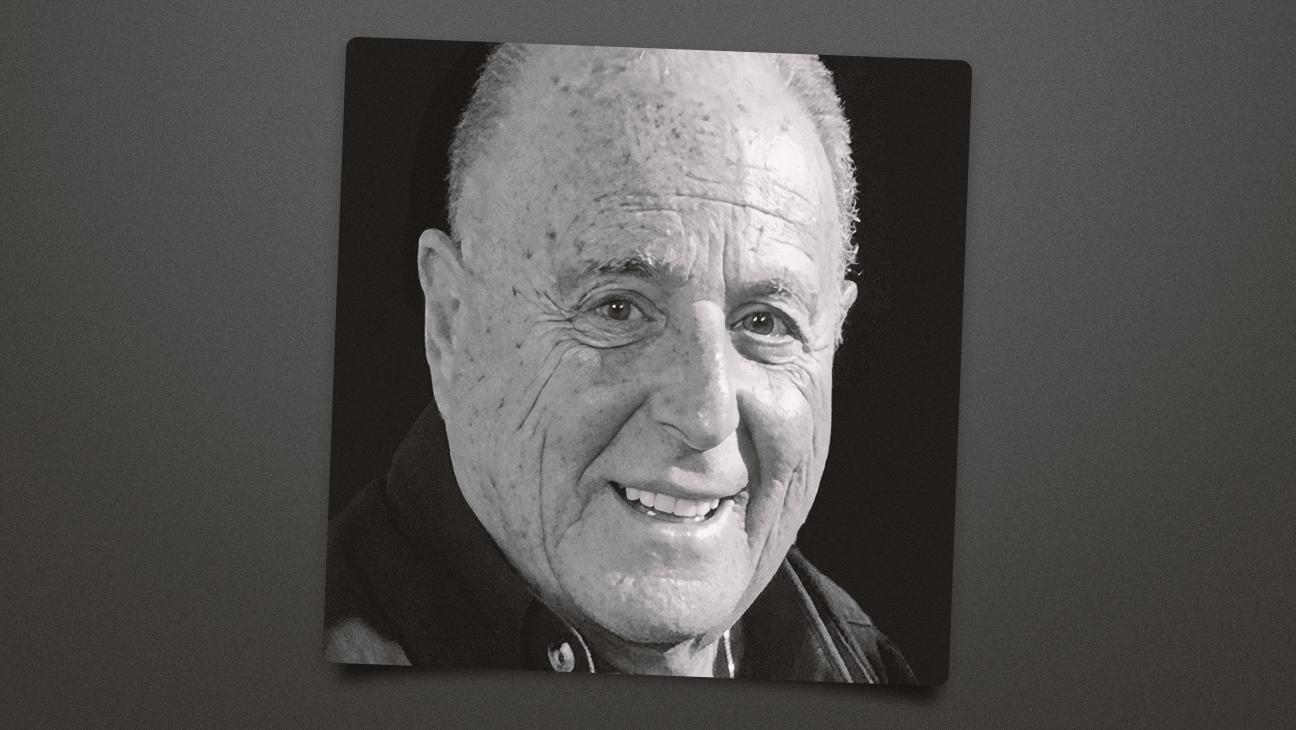
The death of Sanford “Sandy” Wernick at age 86 in Rancho Mirage, California, signifies the sunset of a pivotal era in the structural evolution of Hollywood. As a senior executive vice president and partner at Brillstein Entertainment Partners, Wernick did not merely represent talent; he engineered a vertical integration model that fused talent management with executive production, creating a durable framework for modern content conglomerates.
The Institutional Synthesis of Representation
Wernick’s career trajectory—ascending from the MCA mailroom to the vice presidency of the television division at ICM—mirrors the mid-century consolidation of the agency system. This rigorous background provided the logistical foundation for his tenure at Brillstein, where he shifted from transactional agency work to the strategic stewardship of long-term careers. His influence was foundational in the industry’s pivot toward ‘packaging,’ a process that consolidated writers, directors, and performers into unified commercial entities for network acquisition.
Unlike the traditional agency model, Wernick’s approach at Brillstein prioritized executive oversight. By securing executive producer credits on client-led projects, he ensured that representation firms maintained creative and financial leverage throughout the production lifecycle. This paradigm shift was instrumental in the success of genre-defining programs such as Saturday Night Live, The Muppet Show, and The Larry Sanders Show.
The Sandler-Wernick Archetype: Brand Engineering
The symbiotic relationship between Wernick and Adam Sandler remains the definitive case study for the management-production hybrid. Serving as executive producer on foundational films including Billy Madison, Happy Gilmore, and The Wedding Singer, Wernick facilitated the transition of comedic talent from episodic television to a global film franchise. This partnership was so culturally entrenched that it inspired the 2017 Netflix film Sandy Wexler, a dramatized tribute to Wernick’s idiosyncratic advocacy and operational tenacity.
His ability to scale niche talent into mainstream institutions extended beyond film. By co-creating and executive producing Def Comedy Jam, Wernick identified a market void, providing a national platform for diverse voices and effectively diversifying Brillstein’s portfolio. This move anticipated the modern demand for fragmented, demographic-specific content, proving his capacity for high-level market identification.
Legacy and the Erosion of Institutional Memory
Wernick’s operational reach extended to prestige cable drama, notably The Sopranos, where he applied the packaging model to the high-margin landscape of premium subscription services. This versatility allowed him to navigate the transition from the legacy studio system to the digital streaming era with unparalleled continuity. His fingerprints remain on a vast cross-section of media, from ALF to The Goldbergs, illustrating a career defined by its breadth across multiple distribution formats.
The loss of an executive with Wernick’s five-decade tenure creates a deficit in institutional memory. His death removes a primary architect of the strategies that currently govern talent-led production companies. As Hollywood continues to grapple with the disruptions of the streaming age, the foundational principles Wernick established—centering the manager as a primary producer and strategic partner—remain the industry’s most effective hedge against market volatility.