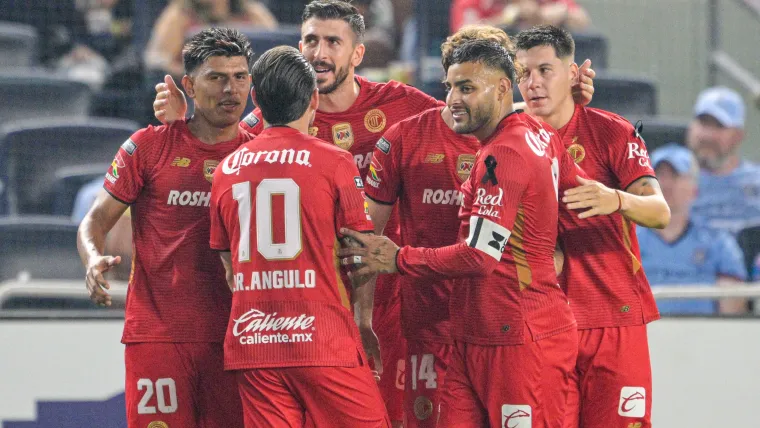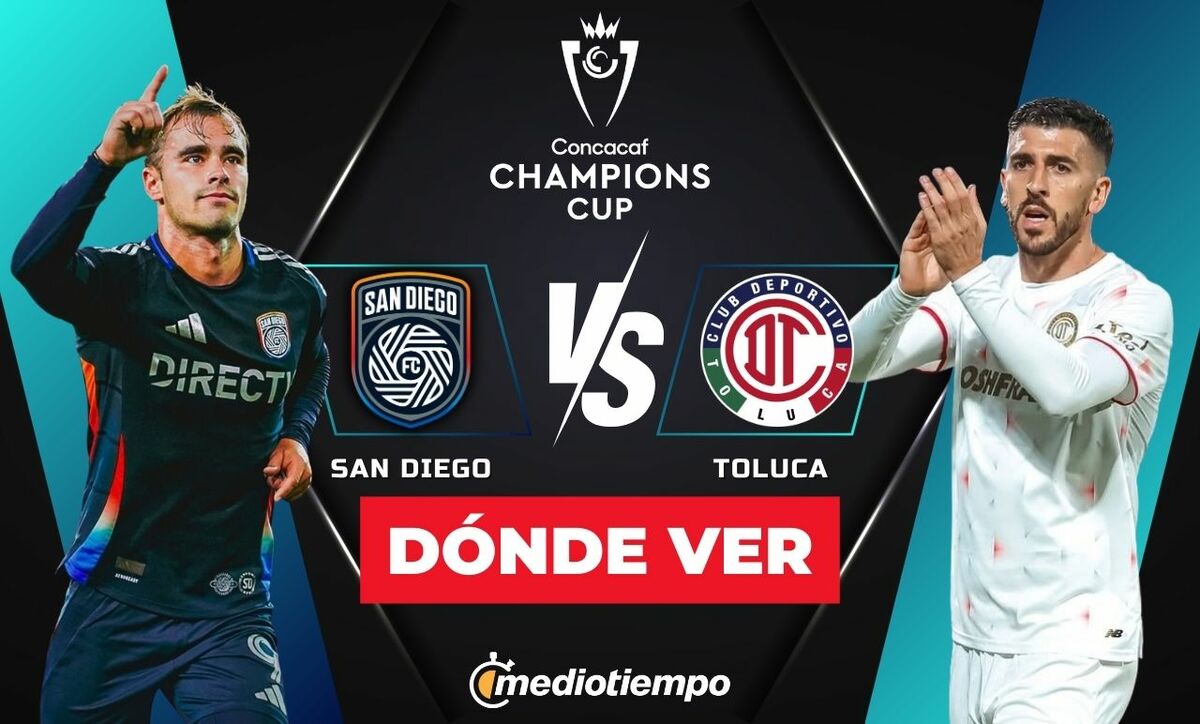
The 2026 Concacaf Champions Cup Round of 16 series between San Diego FC and Deportivo Toluca serves as a definitive case study in the converging trajectories of Major League Soccer (MLS) and Liga MX. Beyond the immediate knockout implications, this fixture highlights the friction between a high-performing expansion model and an established institutional hierarchy. As San Diego FC attempts to translate domestic unbeaten form into continental authority, Toluca navigates the logistical and psychological complexities of maintaining a bicampeón legacy under intense multi-tournament scrutiny.
The Expansion Paradigm: San Diego’s Tactical Maturity
San Diego FC’s progression to this phase, punctuated by a 4-2 aggregate triumph over Pumas UNAM, suggests an accelerated maturation process that bypasses the typical volatility of inaugural franchises. Under Mikey Varas, the squad has exhibited a disciplined low-block-to-transition sequence, evidenced by their recent 1-0 defensive masterclass against Sporting Kansas City. This operational efficiency is not merely a byproduct of individual talent but of a sophisticated load-management strategy that has allowed the club to lead the Western Conference while sustaining the physical rigors of international competition.
The strategic objective for the California side is twofold: establishing Snapdragon Stadium as a fortress to mitigate the eventual altitude disadvantage of the return leg, and validating the MLS investment model. By eliminating a second consecutive Mexican powerhouse, San Diego would move beyond the ‘underdog’ narrative into a category of regional disruptor, shifting the economic and reputational leverage in favor of the emerging US market.
Institutional Pressure and the Mohamed Calculus
Deportivo Toluca enters this series as the definitive benchmark of Mexican excellence, yet their status as reigning bicampeones introduces a specific set of operational risks. Antonio Mohamed’s public discourse regarding the prioritization of a third consecutive Liga MX title versus the Concacaf Champions Cup reveals a complex internal resource allocation struggle. While the club enjoyed a first-round bye, the resulting lack of continental competitive rhythm could prove problematic against a match-fit San Diego unit.
The ‘Mohamed Factor’ revolves around managing the physical ceiling of creative pillars like Alexis Vega. The technical staff must balance the mandate for continental silverware—a prerequisite for FIFA Club World Cup aspirations—against the commercial necessity of domestic dominance. Toluca’s unbeaten league run, including a high-scoring 3-1 victory over FC Juárez, demonstrates an offensive ceiling that San Diego has yet to encounter, provided Mohamed opts for a primary-strength lineup over strategic rotation.
Environmental Arbitrage and Tactical Asymmetry
The series offers a stark contrast in environmental variables. Snapdragon Stadium represents the modern, commercially-driven infrastructure of the new MLS, whereas the Estadio Nemesio Díez provides a high-altitude, high-pressure atmosphere that historically degrades the aerobic capacity of visiting teams. San Diego’s ability to secure a goal cushion in the first leg is a mathematical necessity to survive the oxygen-thin environment of Toluca’s home ground.
Tactically, the matchup pits Varas’s data-driven, transition-based flexibility against Mohamed’s expansive, possession-heavy philosophy. The primary conflict will occur in the half-spaces, where Toluca’s creative pivots will attempt to dismantle San Diego’s structured mid-block. Conversely, San Diego’s verticality on the counter-attack poses a direct threat to Toluca’s high defensive line, a vulnerability that was exposed during Toluca’s occasional defensive lapses in the current Liga MX campaign.
Stakeholder Implications and the Closing Parity Gap
The outcome of this series will resonate within the executive boardrooms of both leagues. For MLS, a victory signifies that the gap between expansion franchises and Liga MX royalty has functionally closed, potentially influencing future media rights valuations and international scouting networks. For Liga MX, a Toluca exit would exacerbate the ongoing debate regarding the efficacy of the current league calendar and the perceived erosion of Mexican dominance in North American soccer.
From a media perspective, the involvement of high-profile assets like Vega ensures significant engagement across TUDN and digital platforms. This series is not just a sporting event; it is a high-value content engine that drives the commercial viability of the Concacaf brand. As the clubs converge on the Nemesio Díez for the final act, the results will provide a definitive data point on whether modern operational efficiency can consistently overcome historical prestige.