Unprecedented Security Transforms NBA Finals Game 3 at Madison Square Garden
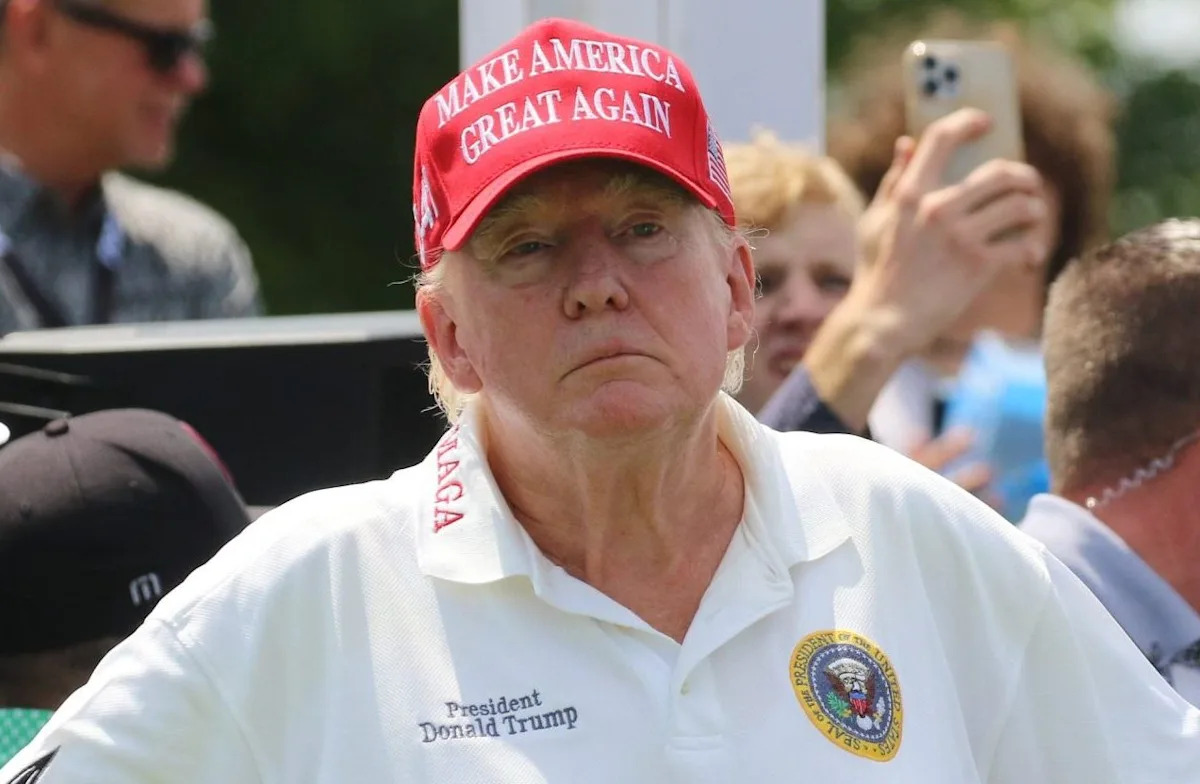
The confirmed attendance of President Donald Trump at Game 3 of the NBA Finals, featuring the New York Knicks against the San Antonio Spurs, has triggered an unprecedented transformation of Madison Square Garden’s operational landscape. This high-profile convergence of championship basketball and federal protective mandates elevates the venue from a premier sports arena to a high-security federal zone, fundamentally altering the stakeholder experience and urban environment. As acknowledged by Knicks owner James Dolan, the decision to host a sitting head of state introduces layers of institutional complexity far beyond standard game management.
Operational Overhaul: Fan Experience and Law Enforcement Deployment
The most immediate and tangible impact for attendees is the strict, federally mandated no-bag policy. This measure, a direct consequence of United States Secret Service protocols, is designed to mitigate potential risks and expedite entry. It necessitates a fundamental shift in fan behavior, requiring ticket holders to minimize personal belongings for compliance and smoother ingress.
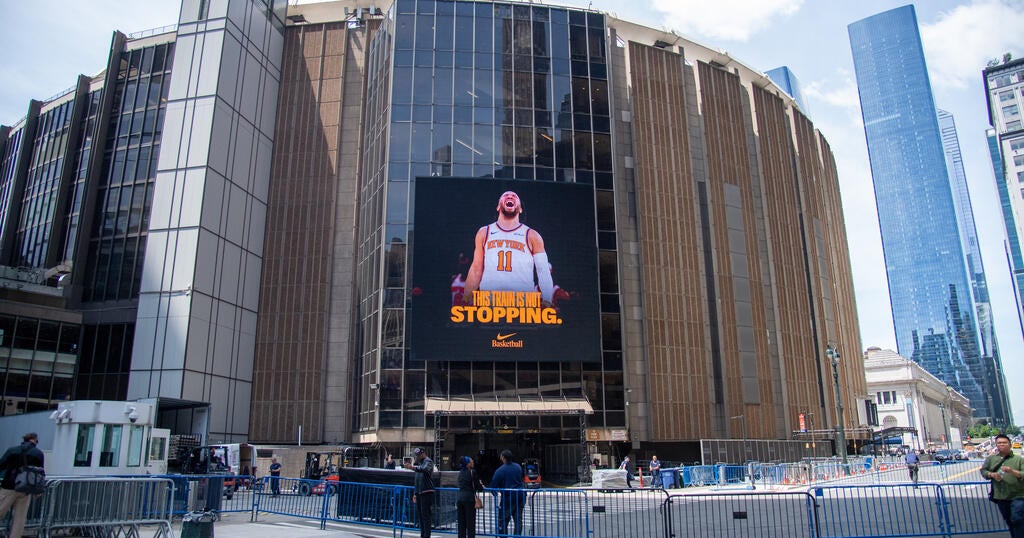
Beyond internal venue restrictions, the external security footprint is expansive. Law enforcement sources confirm a coordinated deployment involving hundreds of Secret Service agents and thousands of New York Police Department personnel. This massive presence is critical for securing a major transit hub and entertainment complex located in the heart of Midtown Manhattan, ensuring a robust perimeter defense.
Redefining Urban Space: Geopolitical Impact on Midtown Manhattan
Security planning extends to a hard closure of the entire area surrounding Madison Square Garden, effectively neutralizing the typical flow of pedestrian and vehicular traffic in one of the city’s most congested districts. This disruption underscores the inherent tension between maintaining public access to a vital commercial asset and the non-negotiable requirements of presidential security. By preemptively eliminating public watch parties and restricting general movement within the secured zone, authorities explicitly prioritize threat containment over the preservation of customary urban mobility and the fan experience. This operational posture decisively demonstrates how high-value political figures redefine the utility and accessibility of private commercial spaces during public events.
Strategic Implications for the NBA, Knicks, and Local Economy
For the New York Knicks and the NBA, the President’s attendance at a pivotal championship game generates significant media attention, offering unparalleled visibility. However, this visibility comes with a substantial administrative burden, demanding seamless integration between the organization’s private security, local law enforcement, and federal agencies. The economic and social impact on Midtown Manhattan is also profound; the hard closure disrupts normal commercial operations for surrounding businesses and significantly alters commuter patterns. Stakeholders must adapt to a temporary environment where federal security mandates override standard urban commerce and transit.
A New Paradigm: Presidential Visits as Catalysts for Totalizing Security
The deployment of thousands of officers and the imposition of total bag restrictions represent a benchmark in protective measures for a professional sporting event. This situation serves as a compelling case study for how private venues transition from consumer-facing businesses to temporary extensions of federal security infrastructure when hosting high-level government officials. The reliance on a hard closure strategy signifies a zero-tolerance approach to risk management, consistent with the protective requirements for a sitting President.
The meticulous collaboration between the Knicks, the Secret Service, and the NYPD underscores the indispensable necessity of multi-agency cooperation in managing high-profile public appearances. The precedent set by this event reinforces a critical reality: the presence of political leadership at major cultural or sporting events now necessitates a totalizing security approach. Such measures, while undeniably disruptive, are established as the default requirement to ensure the event proceeds without compromising the safety of the head of state or the thousands of spectators within the arena. The administrative and logistical lessons derived from this will undoubtedly inform future high-security protocols for major public gatherings in dense urban centers globally.