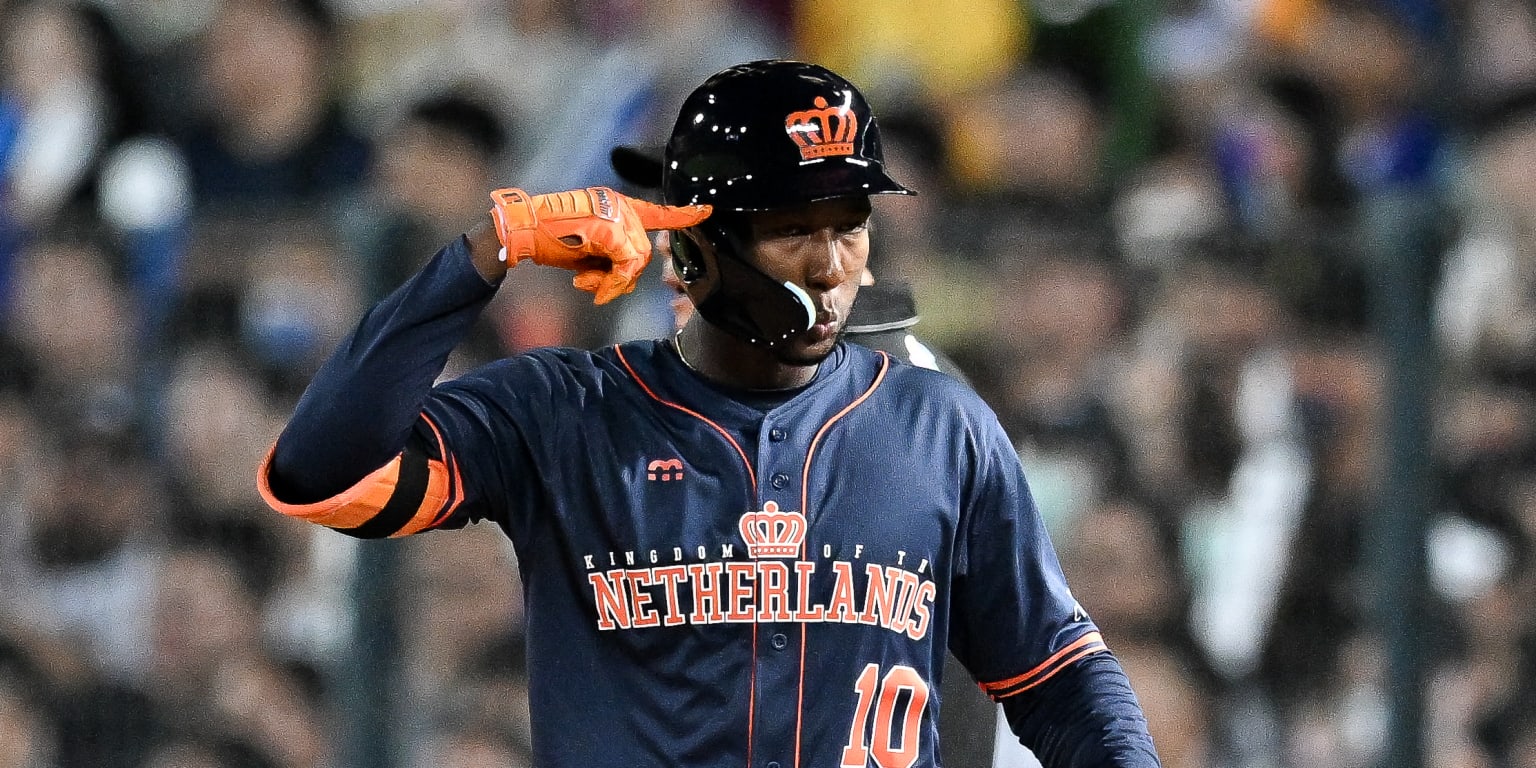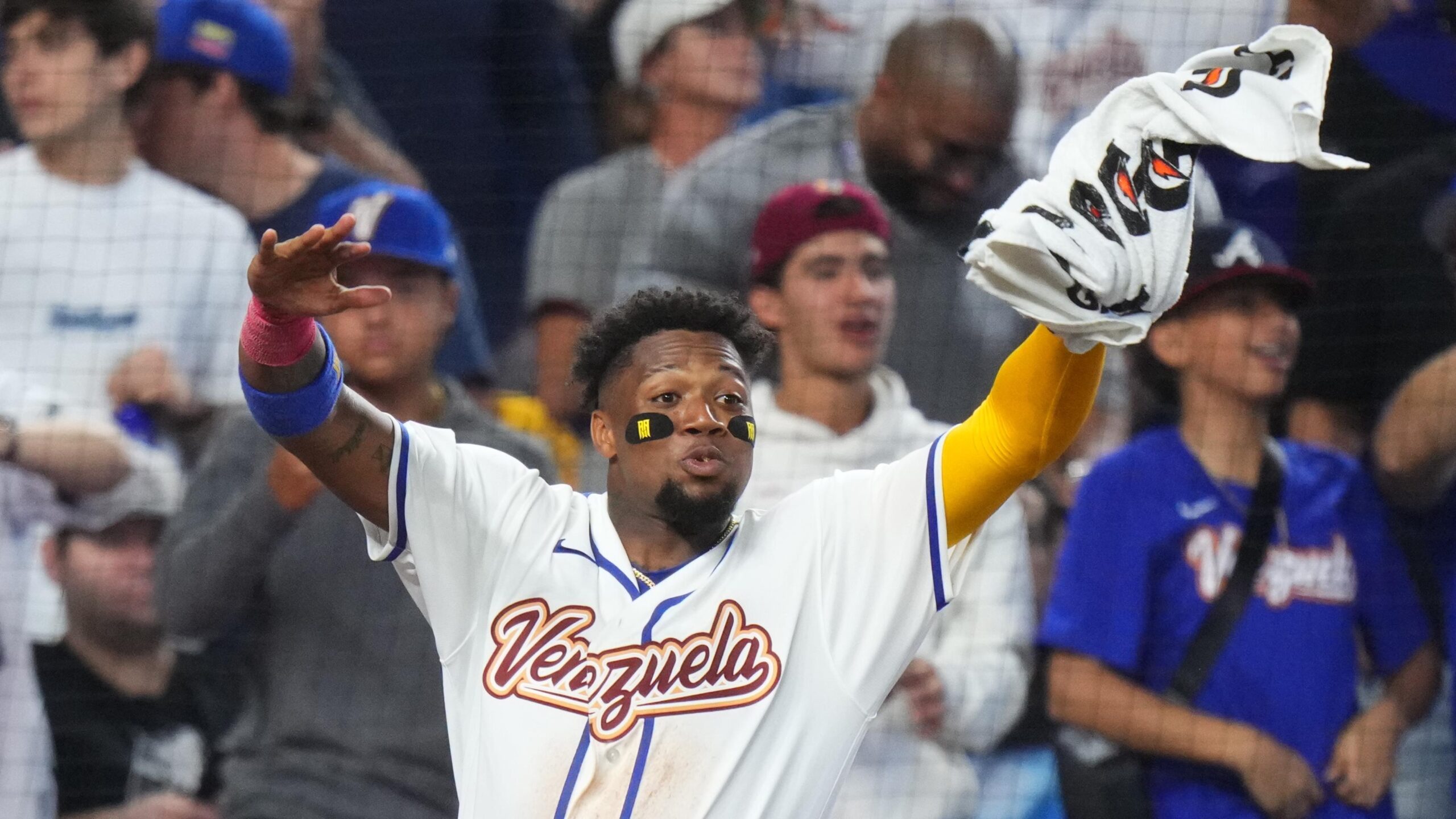
The 2026 World Baseball Classic (WBC) Pool D opener in Miami served as a critical case study in MLB portfolio management, showcasing the Atlanta Braves’ global scouting dominance. Venezuela’s 6-2 victory over the Netherlands was less an international exhibition and more an institutional stress test, pitting franchise cornerstones Ronald Acuña Jr. and Ozzie Albies against one another. This encounter forced a complex evaluation of operational risk, where the benefits of high-leverage preparation are weighed against physical exposure and the potential for intra-squad friction.
Ronald Acuña Jr.’s performance as Venezuela’s leadoff catalyst—highlighted by a double and two runs scored—underscored the strategic value of early-game momentum in short-series formats. His mid-spring readiness suggests an optimized offseason training cycle, directly benefiting the Venezuelan national team’s advancement prospects. Conversely, Ozzie Albies’ 0-for-4 performance in the cleanup spot for the Netherlands illustrates the tactical volatility inherent in shifting player roles. For the Braves’ front office, these disparate data points provide an essential look at player adaptability and psychological resilience under the pressures of national representation.
The presence of Andruw Jones as the Netherlands’ manager introduces a layer of institutional continuity. Jones, a Braves legend and Hall of Famer, represents the historical bridge between the organization’s legacy and its current international recruitment strategy, particularly within the Curacaoan pipeline. His transition to a managerial role within the WBC framework suggests a deepening of professional pathways for franchise icons, strengthening the organizational ties between MLB teams and international federations responsible for talent development.
The competitive interplay between Acuña and Albies, characterized by on-field engagement and subsequent social media activity, reflects modern brand management. Acuña’s public offer of a signed jersey to Albies serves as a calculated content piece that leverages personal friendship to drive digital engagement. This visibility provides high-value returns for tournament sponsors like Capital One, who rely on individual player narratives to justify title sponsorship outlays. This intersection of personal branding and national pride creates a commercial synergy that extends MLB’s reach beyond traditional markets.
Depth assets like catcher Chadwick Tromp further evidence the Netherlands’ strategic roster construction. Tromp’s role as the starting catcher highlights the depth of the Braves’ catching hierarchy and the WBC’s utility as a platform for secondary assets. For players like Tromp, the tournament is a vital showcase for game-calling proficiency against elite MLB hitters like Luis Arraez. Such exposure directly influences internal organizational depth charts and enhances trade value within the broader MLB marketplace.
Logistically, the concentration of Pool D in Miami capitalizes on the city’s status as a hub for Latin American baseball culture. The economic impact of the Venezuela-Netherlands matchup was amplified by the ‘teammate vs. teammate’ narrative, a primary driver for ticket sales and broadcast viewership. By viewing international competition as a strategic asset rather than a liability, the Braves and MLB organizers have integrated the WBC into the professional development cycle, ensuring the tournament remains a commercially viable enterprise capable of attracting top-tier corporate partnerships.