The Operational Impact of Extreme Weather on Urban Systems
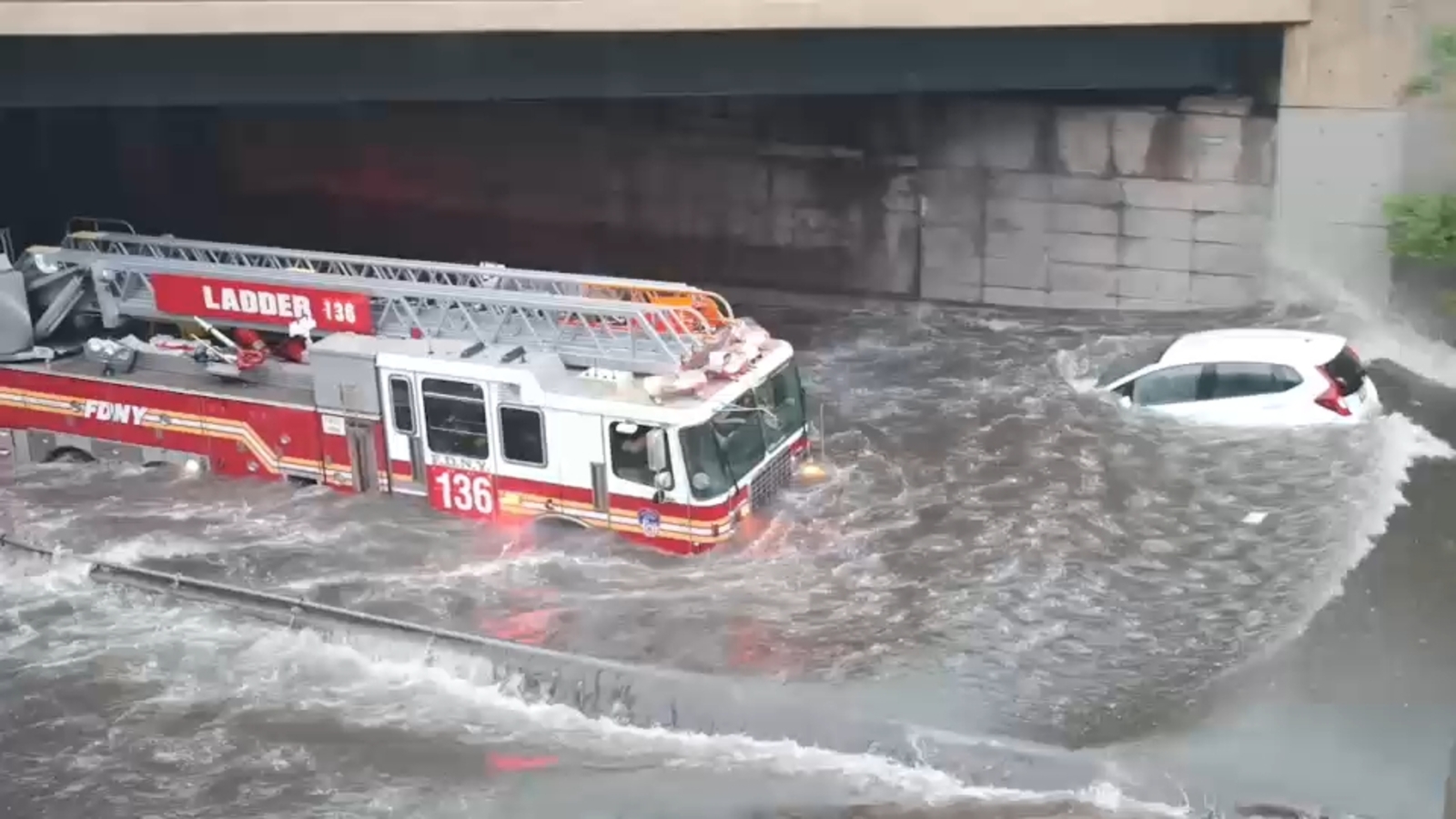
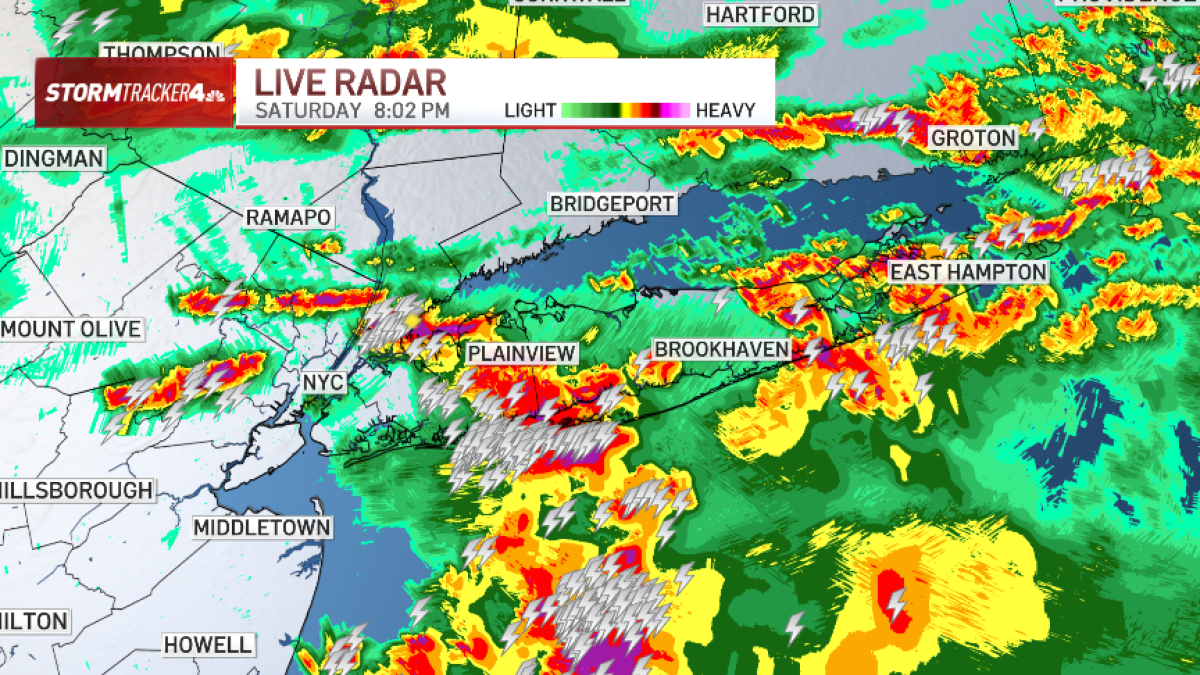
New York City recently faced a severe meteorological event characterized by intense thunderstorms and flash flooding. With localized rainfall reaching up to four inches, the storm tested the operational continuity of the city’s critical infrastructure and emergency management frameworks.
Infrastructure Vulnerability and Urban Density
The National Weather Service identified lower Manhattan, western Brooklyn, and Queens as high-risk zones. The rapid accumulation of surface water in these high-density areas underscores a recurring structural vulnerability: the reliance on below-grade residential spaces. Emergency directives to relocate residents from basement apartments highlight the persistent challenge of balancing high-density living with increasing climate volatility.
Institutional Logistics and Event Management
The meteorological disruption necessitated the rescheduling of major events, including the Yankees-Dodgers fixture in the Bronx, which was moved to a Sunday doubleheader. This logistical pivot reflects the complexity of managing large-scale public gatherings within unpredictable environmental constraints.
Technological Integration in Environmental Monitoring
While the precipitation successfully cleared Canadian wildfire particulate matter, it introduced new flash flooding and wind-related risks. David Lu, CEO of Clarity Movement, emphasized that real-time air quality monitoring—conducted in ten-minute intervals—is now essential for institutional oversight of large-scale events. This integration of environmental data into urban management is critical for proactive decision-making as regional risks, rated at a level 3 on a 5-point scale by the NWS, become more frequent.
Strategic Assessment and Resilience
The storm’s reach across the tri-state area, from the Poconos to coastal Connecticut, illustrates the systemic nature of regional atmospheric threats. As New York transitions from immediate response to recovery, the event serves as a case study in the necessity of resilient physical infrastructure and advanced predictive modeling to mitigate cascading urban disruptions.