Punditry as Strategic Forecasting: Deconstructing Competitive Advantage in the NFL
In the National Football League, expert punditry extends beyond mere commentary, functioning as a critical mechanism for strategic forecasting and assessing competitive advantage. Discussions surrounding hypothetical Super Bowl matchups, for instance, distill complex team dynamics into analytical frameworks that spotlight decisive factors in high-stakes contests.
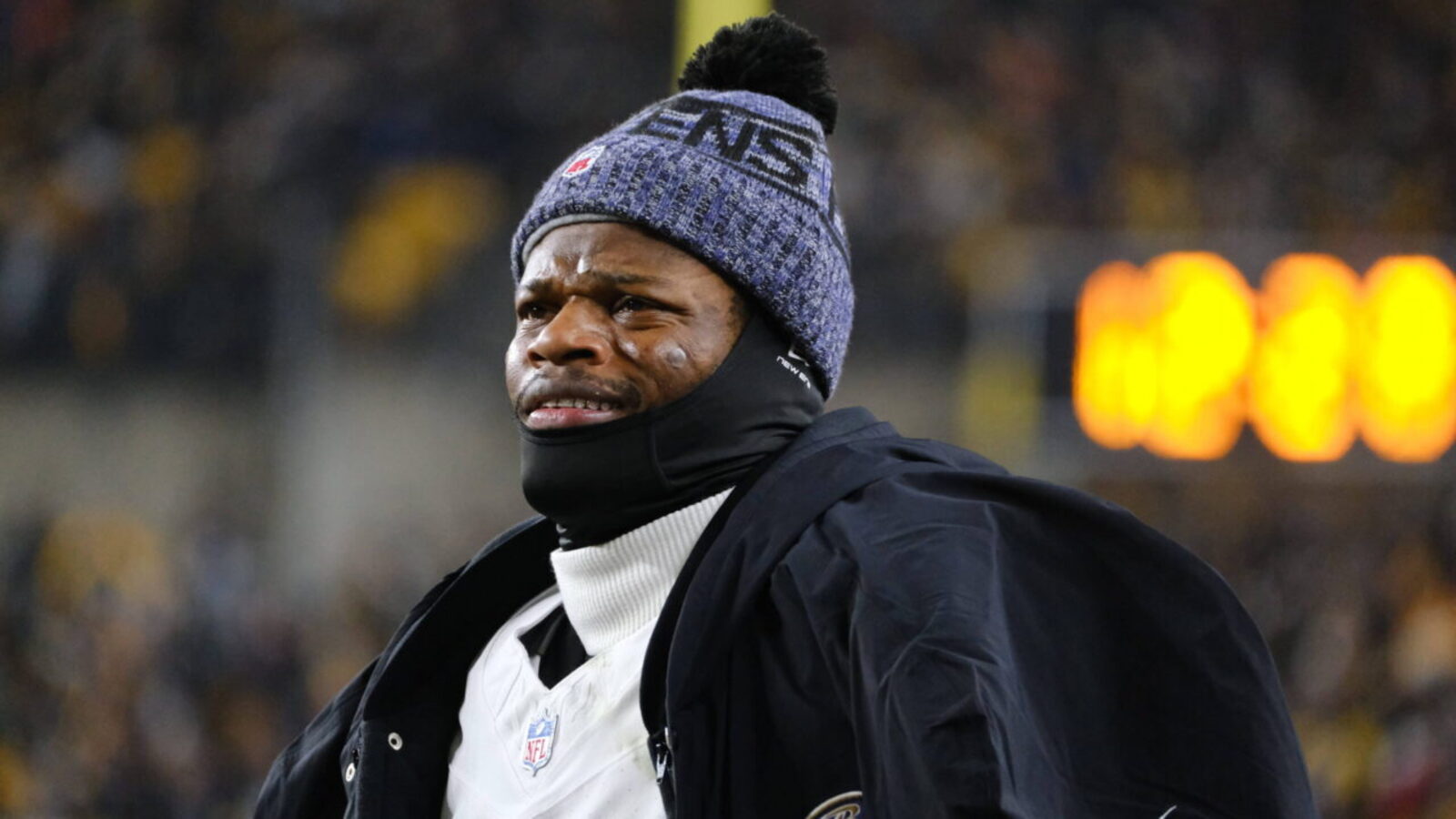
A prime example emerged when Yahoo! Sports’ Nate Tice, on ESPN’s “The Mina Kimes Show,” positioned the Baltimore Ravens as the optimal challenger to the Los Angeles Rams in a championship scenario. This assessment hinged on the strategic imperative of quarterback mobility and defensive adaptability against an elite pass rush—foundational elements of contemporary NFL strategy.
Tice’s rationale specifically underscored Lamar Jackson’s unparalleled capacity to extend plays and improvise under duress. This unique skillset is crucial for disrupting the Rams’ formidable defensive front, featuring players like Aaron Donald and Myles Garrett, by forcing them to abandon structured pocket collapse in favor of reactive, fluid assignments. Such a capability provides a distinct operational advantage, countering conventional defensive schemes built to contain traditional pocket passers.
Further bolstering the Ravens’ competitive outlook, Tice commended Head Coach Jesse Minter’s defensive scheme, noting the strategic acquisition of Trey Hendrickson. This move signifies a targeted roster enhancement, addressing specific operational weaknesses while amplifying existing strengths. Hendrickson’s integration is designed to improve defensive pressure synergistically with Minter’s diverse tactical approach, directly elevating the team’s competitive ceiling.
Framing the Rams as “prohibitive favorites,” Tice’s analysis posits the Ravens’ potential success as a masterclass in strategic disruption. It illustrates that overcoming a talent-laden roster necessitates not just individual brilliance, but a synergistic blend of player skill and systemic counter-strategies engineered to exploit opponent vulnerabilities. This analytical lens reveals how media narratives are constructed, emphasizing player-coach synergies and calculated roster refinements as determinants of competitive success.
High-Value Asset Integration: Projecting Offensive Impact through Coaching Philosophy
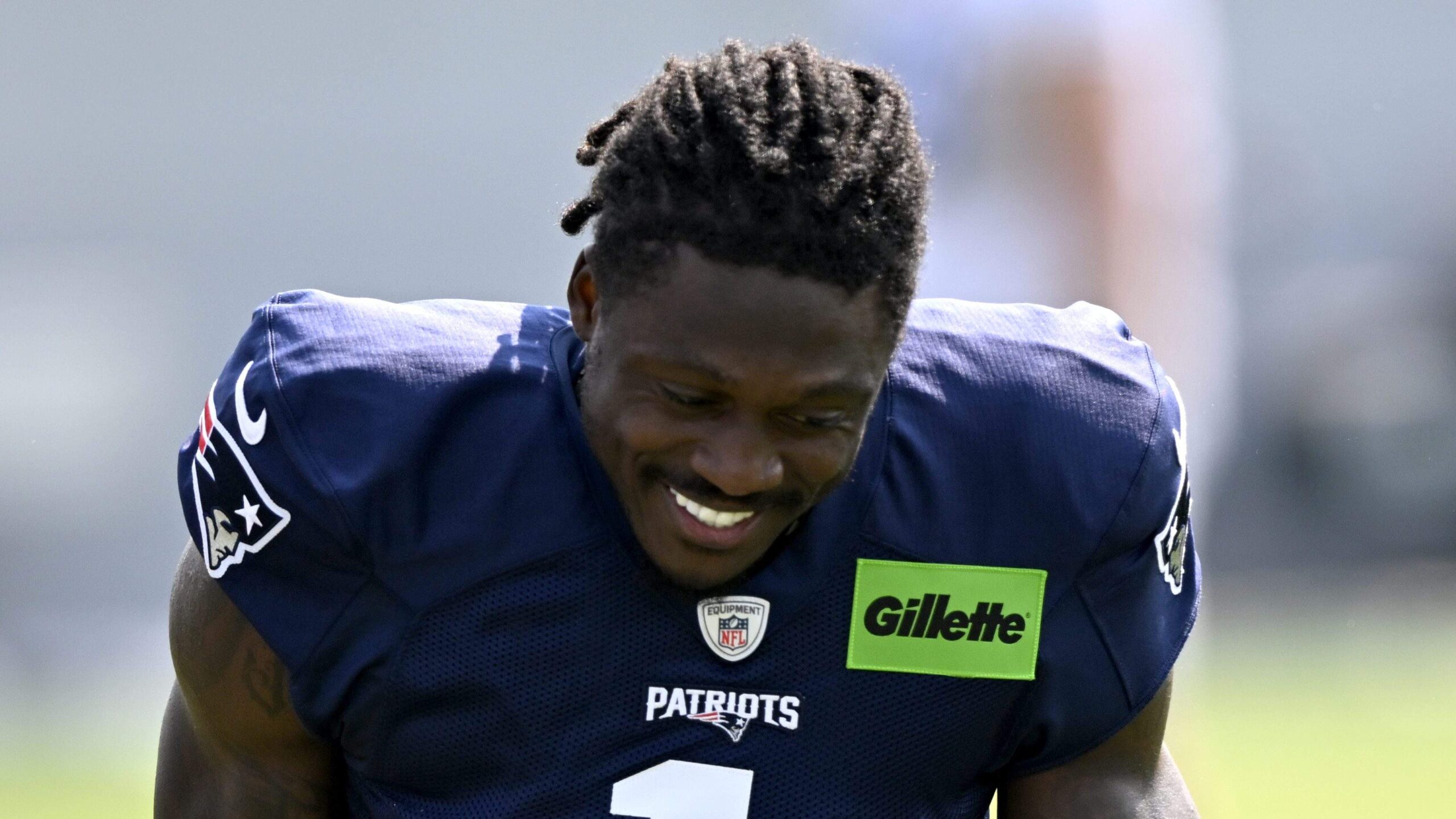
The acquisition and integration of high-value offensive assets represent substantial strategic and financial commitments for NFL franchises, often revealing underlying coaching philosophies. Julian Edelman, a Patriots legend, offered a compelling forecast for A.J. Brown’s inaugural season with the New England Patriots, drawing analytical parallels to offensive coordinator Josh McDaniels’ historical utilization of star receivers.
Edelman’s prediction of a “monstrous year” for Brown, articulated on “The Herd” on September 8th, was rooted in McDaniels’ well-established track record. The investment of a future first-round pick for an elite, proven receiver like Brown explicitly signals an organizational strategy to immediately elevate the passing game. This capital allocation prioritizes immediate competitive impact over long-term draft flexibility, embodying a “win-now” strategic imperative.
Historically, McDaniels’ offensive schemes consistently funnel significant target shares and production to premier receiving talents. Edelman cited luminaries such as Davante Adams, Brandon Marshall, Randy Moss, and Wes Welker, all of whom flourished under McDaniels’ guidance. This pattern, further corroborated by Sports Illustrated’s Albert Breer, underscores a deliberate offensive design that leverages elite individual talent as a primary driver for overall unit efficiency and scoring potential.
The timing of Edelman’s prognostication, preceding Brown’s regular-season debut against the Seattle Seahawks, intensified immediate performance expectations for both the receiver and the offensive coordinator. It established a quantifiable benchmark for evaluating the efficacy of the trade and the strategic vision underpinning it. For the Patriots, Brown’s successful integration is more than a statistical measure; it’s a critical operational test of their offensive scheme’s adaptability and their capacity to maximize a significant asset, directly impacting competitive standing and playoff aspirations.
This scenario illuminates the intricate interplay between player acquisition, coaching philosophy, and market expectations in professional sports, demonstrating how historical coaching patterns serve as predictive indicators for future strategic decisions and shape perceptions of team offensive potential.
The MVP Nexus: Subjectivity, Media Hegemony, and Player Legacy Valuation
The NFL’s Most Valuable Player (MVP) award consistently generates debates that transcend statistical comparison, delving into subjective interpretations of player impact, leadership, and prevailing media narratives. The 2024 MVP race, where Josh Allen narrowly outpolled Lamar Jackson 27-23, epitomizes the inherent complexities and institutional divisions within the voting process.
Despite Allen’s historic achievement as the Buffalo Bills’ first AP MVP quarterback, the proximity of the vote underscored a genuine, deep-seated debate rather than a definitive consensus. This enduring contention, persisting as Allen emerges as an early favorite for the 2026 season, highlights how past accolades remain subject to re-evaluation, continually shaping future expectations and competitive positioning.
The legitimacy of Allen’s 2024 MVP was publicly challenged by former NFL player and Super Bowl XXXVII winner Warren Sapp on “Chris Simms Unbuttoned.” Sapp’s fervent advocacy for Lamar Jackson, characterized by the assertion, “Stop playing. Stop playing. A bunch of people have a chip on their shoulder,” signaled a perceived undercurrent of bias or narrative manipulation beyond purely objective metrics.
Controversially, Sapp’s argument integrated non-football elements, citing Baltimore’s reported single-digit murder rate and Jackson’s quiet offseason. This rhetorical strategy illustrates how some commentators attempt to broaden sports analysis by introducing external societal or personal conduct observations, aiming to reframe narratives beyond athletic performance. Such commentary, particularly from a Hall of Fame figure, wields significant influence, shaping public perception and impacting the discourse surrounding player legacies and market value.
Jackson’s 2024 statistics—4,172 yards, 41 touchdowns, and four interceptions—provide a concrete foundation for the unresolved debate, demonstrating a statistically competitive performance against Allen’s. This objective data, juxtaposed with the subjective voting criteria, fuels the ongoing discussion and validates the diverse frameworks voters employ, from pure statistical dominance to perceived team impact and narrative strength.
Beyond individual acclaim, the MVP award critically influences a player’s brand equity, endorsement potential, and future contract leverage. Public questioning, even post-conferral, can subtly alter a player’s long-term reputational trajectory and market perception of their elite status. For franchises, an MVP-caliber quarterback becomes a cornerstone of brand identity, impacting recruitment, fan loyalty, and ultimately, market valuation within the NFL’s competitive ecosystem.
The perpetual cycle of award re-evaluation and future prognostication, evident in Allen’s early 2026 MVP favoritism, is integral to sustaining fan engagement and media interest. Prominent platforms like ESPN, “The Herd,” and specialized shows such as “Chris Simms Unbuttoned” actively capitalize on these debates, generating discussion, fostering rivalries, and providing a commercial avenue for diverse, often provocative, viewpoints. This dynamic interplay between athlete performance, expert analysis, and media amplification forms a crucial component of the NFL’s broader institutional framework, shaping public opinion and influencing strategic decisions from the locker room to the boardroom.
Ultimately, these enduring debates surrounding MVP awards and hypothetical matchups function as powerful mechanisms for continuous fan engagement and content generation, reinforcing the NFL’s dominant position across sports and entertainment. Strategic decisions by teams—from player acquisitions to coaching philosophies—are perpetually scrutinized through these competitive narratives, creating a robust ecosystem where performance is constantly evaluated, debated, and leveraged for both competitive advantage and market positioning.