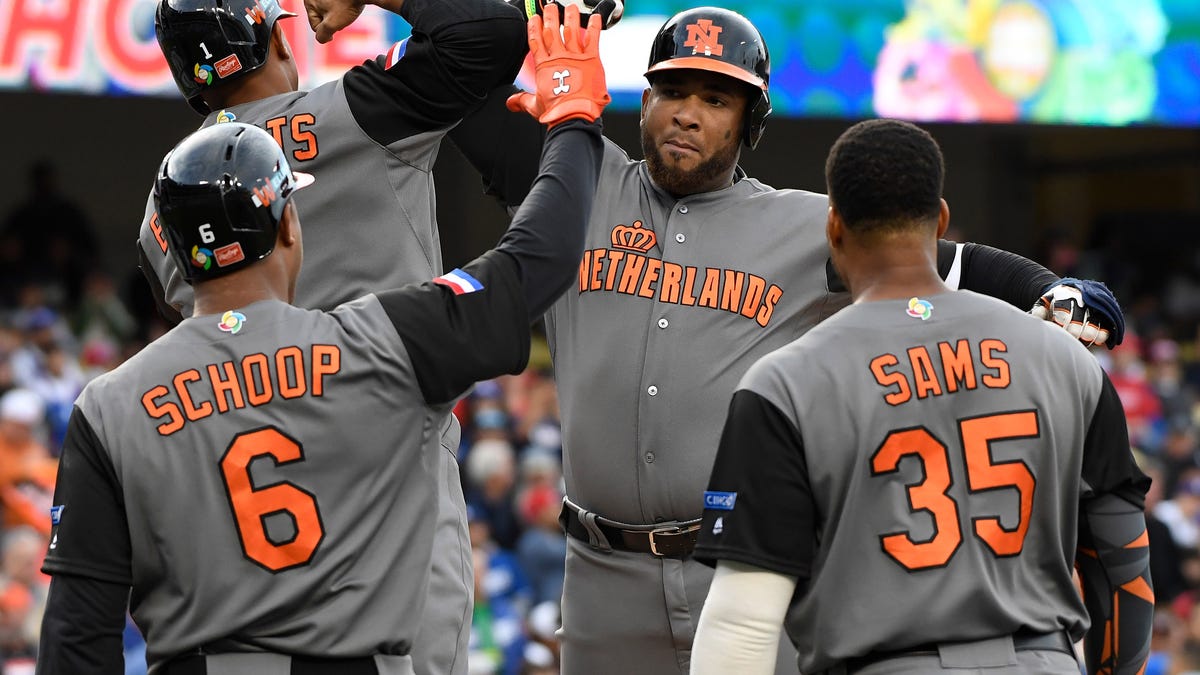
The operational structure of the Netherlands’ World Baseball Classic participation reveals a deliberate strategy capitalizing on its unique constitutional relationship with Caribbean constituent countries, primarily Curaçao, to construct a highly competitive roster.
This reliance is quantified: the roster is anchored by 14 players originating from Curaçao, providing a critical infusion of established and developing professional talent, underpinning the team’s competitive ceiling.
Roster Composition: Competitive Intent vs. Developmental Crucible
The composition signals immediate competitive intent, building upon historical fourth-place finishes. The foundation rests on established MLB veterans like Xander Bogaerts, Ozzie Albies, and Didi Gregorius, ensuring a high performance floor.
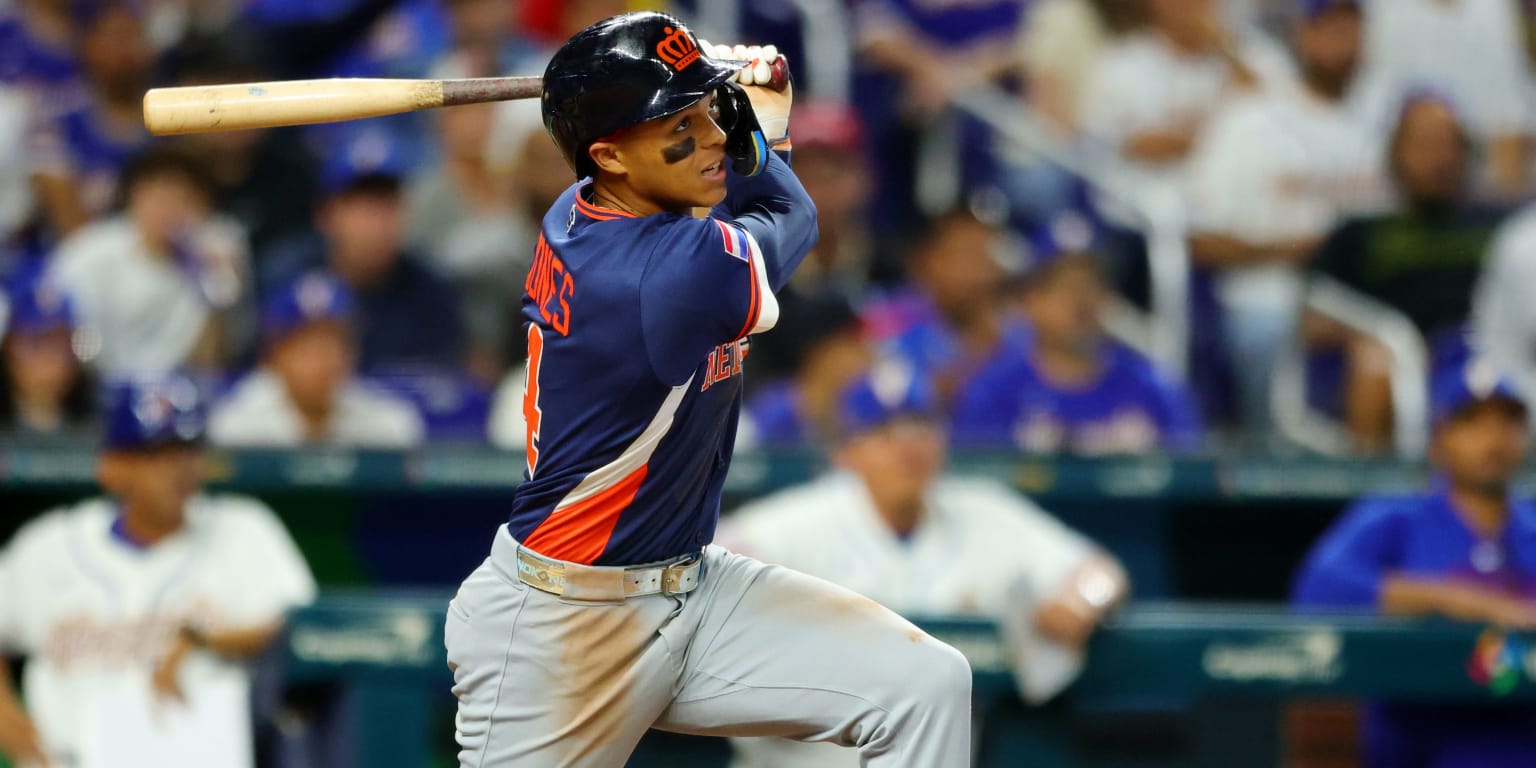
Simultaneously, the integration of top prospects, exemplified by Druw Jones (2022 No. 2 overall draft pick), signifies a long-term developmental investment embedded within the national team framework. This duality positions the Dutch squad as perennial dark horses capable of disrupting established baseball hierarchies.
Eligibility Pathways and Talent Acquisition Efficiency
The eligibility framework, rooted in Curaçao’s status as a self-governing entity within the Kingdom of the Netherlands, administratively streamlines the acquisition of elite Caribbean talent, bypassing complex naturalization hurdles faced by other nations.
For rising stars like Ceddanne Rafaela, representing the Netherlands provides an accelerated, high-visibility platform to showcase skills to a wider MLB audience, directly impacting prospect valuation and organizational perception.
Managerial Leverage and Familial Dynamics Under Scrutiny
Andruw Jones’s tenure as first-time manager introduces a compelling internal dynamic, particularly concerning the inclusion of his son, Druw Jones. Druw’s confirmation that his participation was contingent on his father managing highlights a direct nexus between managerial influence and roster construction.
The reported unanimous team endorsement for Druw’s inclusion suggests immediate successful navigation of potential conflicts of interest, validating the strategic risk based on perceived potential dividends against elite international competition.
Impact on Prospect Valuation and Development Timelines
The high-leverage plate appearances Druw Jones gains in the WBC environment function as an accelerated developmental crucible, testing the prospect against top-tier pitching far earlier than standard minor league progression. This exposure impacts his perceived organizational readiness and future capital valuation.
The necessity of securing high-value MLB assets (Bogaerts, Albies) mandates that the overall team performance justifies the commitment of these high-salary players to the tournament structure, creating immense performance pressure on the entire management structure.
Institutional Context and Future Benchmarks
The success of this roster model validates the Kingdom’s administrative mechanism for pooling talent across distinct geographic zones. This pooling maximizes the competitive ceiling in global tournaments by effectively utilizing the established feeder system of Curaçao.
The benchmark set by this campaign—balancing veteran performance with prospect integration via constitutional or familial links—will define future managerial appointments and roster construction methodologies for the Netherlands moving forward.