
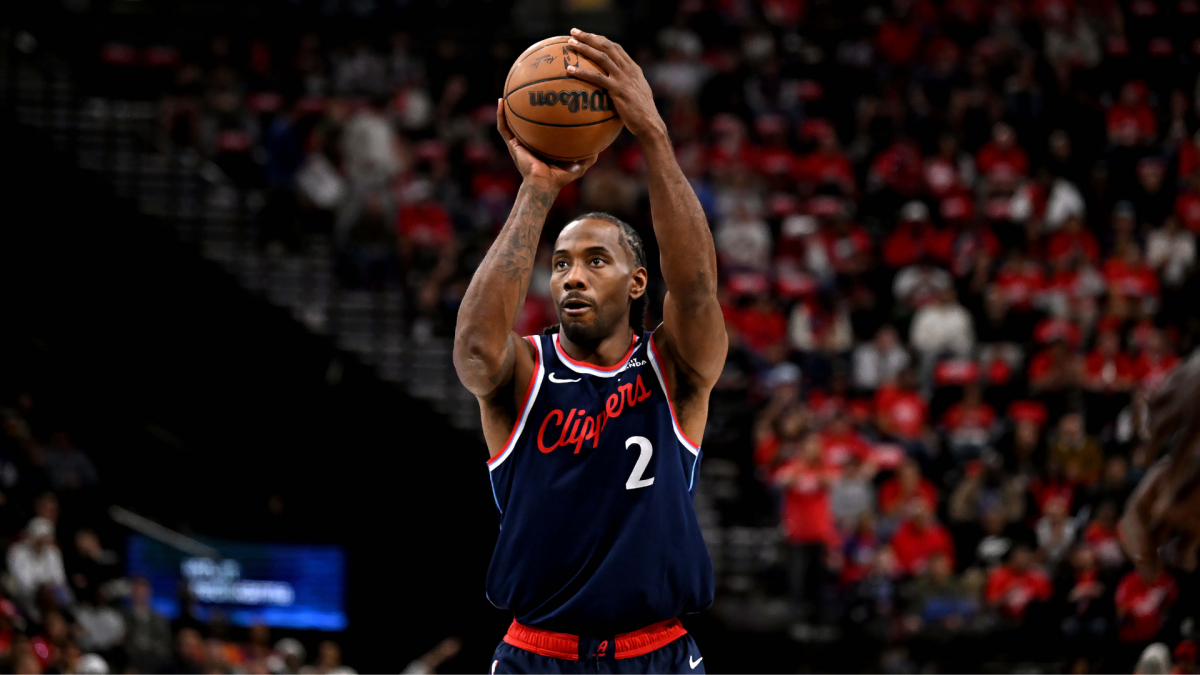
The finalization of Kawhi Leonard’s return to the Toronto Raptors signifies more than a high-profile roster shift; it represents a landmark exercise of the NBA’s regulatory authority. Following a comprehensive two-month investigation, the league has coupled the trade’s approval with the most severe administrative sanctions in professional basketball history. This resolution effectively ends a period of operational uncertainty while establishing a new baseline for the enforcement of collective bargaining agreement (CBA) integrity.
Regulatory Enforcement: The Cost of Circumvention
The league’s decision to strip the Los Angeles Clippers of five consecutive first-round draft picks (2029–2033) is a direct response to a verified $28 million salary cap circumvention scheme. By facilitating impermissible benefits through a “no-show” employment structure, the Clippers attempted to bypass the league’s parity-driven financial constraints. The resultant quinquennial asset forfeiture is designed to neutralize any perceived competitive advantage gained, creating a decade-long structural deficit for the franchise.
This penalty targets the primary currency of team construction: the draft. While the Clippers will retain the unprotected 2031 and 2033 first-round picks acquired from Toronto in this transaction, their internal talent pipeline is effectively severed. This move signals a shift from traditional financial fines to punitive measures that directly impair a franchise’s long-term competitive viability, ensuring that the cost of eluding cap restrictions outweighs the potential benefits of acquiring superstar talent through illicit means.
Strategic Realignment: The Raptors’ Championship Window
For Toronto, the re-acquisition of Leonard is a high-leverage bet on immediate contention. By surrendering unprotected picks as far out as 2033, the Raptors have sacrificed their long-term floor for a championship ceiling. This strategy prioritizes the proven impact of an elite two-way wing over the developmental potential of future draft capital. However, the departure of Brandon Ingram—fresh off a $120 million extension—and the promising Gradey Dick creates an immediate depth vacuum that the front office must address to sustain a deep postseason run.
Ingram’s production (21.5 PPG, 38% 3PT) provided a reliable offensive engine that Leonard must now replace or exceed. The organizational gamble hinges on the belief that Leonard’s presence can revitalize the franchise’s title aspirations, despite the significant depletion of youth and scoring versatility. The success of this move will be measured not just by win-loss records, but by the franchise’s ability to remain competitive once their distant draft obligations come due.
Institutional Precedent and the Post-Leonard Clippers
The Clippers now pivot toward a core built around Brandon Ingram and Gradey Dick, operating under a razor-thin margin for error. Ingram’s age (29) and physical prime offer a more durable foundation than the outgoing Leonard, yet the front office faces an uphill battle in roster rounding without their own draft picks to facilitate trades or internal growth. This era will be defined by their ability to maximize free agency and the trade market in the absence of traditional asset-building tools.
Broadly, this case sets a profound institutional precedent. The NBA’s heightened scrutiny of “off-book” financial arrangements and corporate partnerships serves as a warning to all 30 franchises. The league has demonstrated that it possesses the investigative reach to dismantle a team’s future to protect the transparency of its financial ecosystem. As the Raptors and Clippers navigate their diverging paths, the league’s message remains clear: the integrity of the salary cap is non-negotiable, and the price of violation is the sacrifice of a decade’s worth of strategic flexibility.