
Strategic Synergy: Cross-Platform IP Capitalization
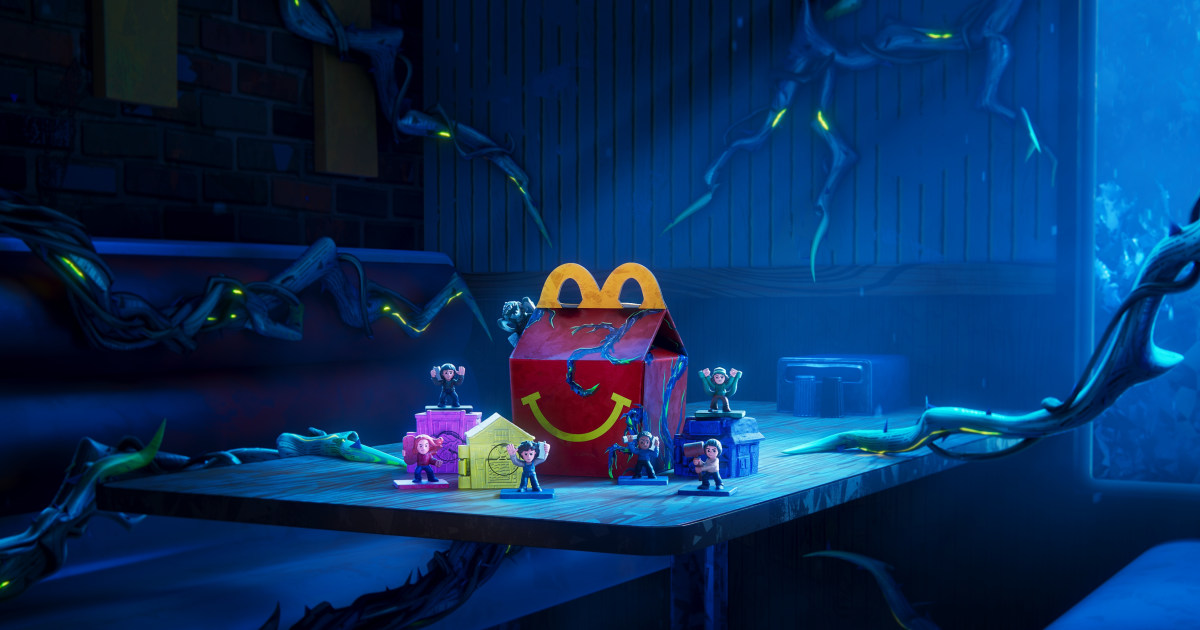
The collaboration between McDonald’s and Netflix for the ‘Stranger Things: Tales From ’85’ Happy Meal exemplifies a sophisticated alignment of retail infrastructure and digital intellectual property (IP). By synchronizing this rollout with the premiere of the animated spin-off, both entities leverage a cross-platform promotional window to maximize consumer touchpoints and reinforce brand salience across the streaming and Quick Service Restaurant (QSR) sectors.
This initiative transcends conventional licensing; it integrates physical product experiences with the narrative expansion of the Stranger Things universe. For McDonald’s, the association with high-value streaming content provides a competitive moat, where brand differentiation is increasingly predicated on the acquisition of exclusive cultural capital.
The Animated Pivot: Decoupling IP from Talent Constraints
The introduction of ‘Tales From ’85’ as an animated series marks a tactical shift in Netflix’s franchise management. By utilizing a new voice cast for iconic characters—including Eleven, Mike, and Will—the production decouples the IP from the logistical and fiscal constraints associated with the original live-action cast. This transition facilitates a more agile content creation cycle and ensures the brand remains age-appropriate for the younger Happy Meal demographic while retaining legacy fans.
Nostalgia as a Psychographic Market Driver
The 1985 setting is a calculated aesthetic choice to exploit the cultural nostalgia inherent in the franchise. This era resonates specifically with Gen X and Millennial cohorts—the primary economic decision-makers for household QSR spending. By grounding the promotion in the mid-1980s, McDonald’s reinforces its historical identity as a fixture of suburban life, creating a psychological bridge between past consumer sentiment and contemporary purchasing behavior.
Logistical Agility and the 12-Toy Collector Economy
The 12-piece collectible series is a deliberate tactic to accelerate visit frequency and secondary market engagement. This high-volume strategy incentivizes repeat purchases, driving short-term revenue growth for franchisees while creating an artificial scarcity effect. Operationally, the multi-month staggered rollout mitigates supply chain volatility and ensures inventory resilience across global markets, preventing the stock-outs common in high-profile collaborations.
Digital Integration: Data Capture and Gamification
The inclusion of QR-coded digital experiences on the packaging represents the modernization of the traditional toy-based promotion. This digital layer extends the consumer relationship beyond the point of sale into a controlled mobile ecosystem. Interactive gamification not only increases brand immersion but serves as a critical data touchpoint, providing granular insights into consumer engagement patterns that physical assets alone cannot deliver.
Industry Outlook: The Convergence of Media and Retail
The Stranger Things Happy Meal serves as a case study for the future of media-retail convergence. As streaming platforms seek diverse monetization avenues and QSRs pursue experience-based marketing, deep-level integrations will likely become standard. This collaboration highlights the power of narrative-driven marketing, redefining the boundaries between digital consumption and physical retail through a decentralized, global billboard strategy.
Photo by mirashin1 on Pixabay.