Ajinomoto Foods’ 37 Million-Pound Frozen Food Recall: Systemic Failures and Supply Chain Fragilities
The monumental expansion of Ajinomoto Foods North America’s frozen food recall, now encompassing nearly 37 million pounds, unequivocally underscores profound systemic vulnerabilities within the globalized food supply chain. Triggered by pervasive glass contamination originating from a single Oregon-based manufacturing facility, this event impacts prominent retailers including Trader Joe’s, Ralphs, and Kroger, highlighting the far-reaching and cascading consequences of a critical quality control failure within highly integrated production and distribution networks.
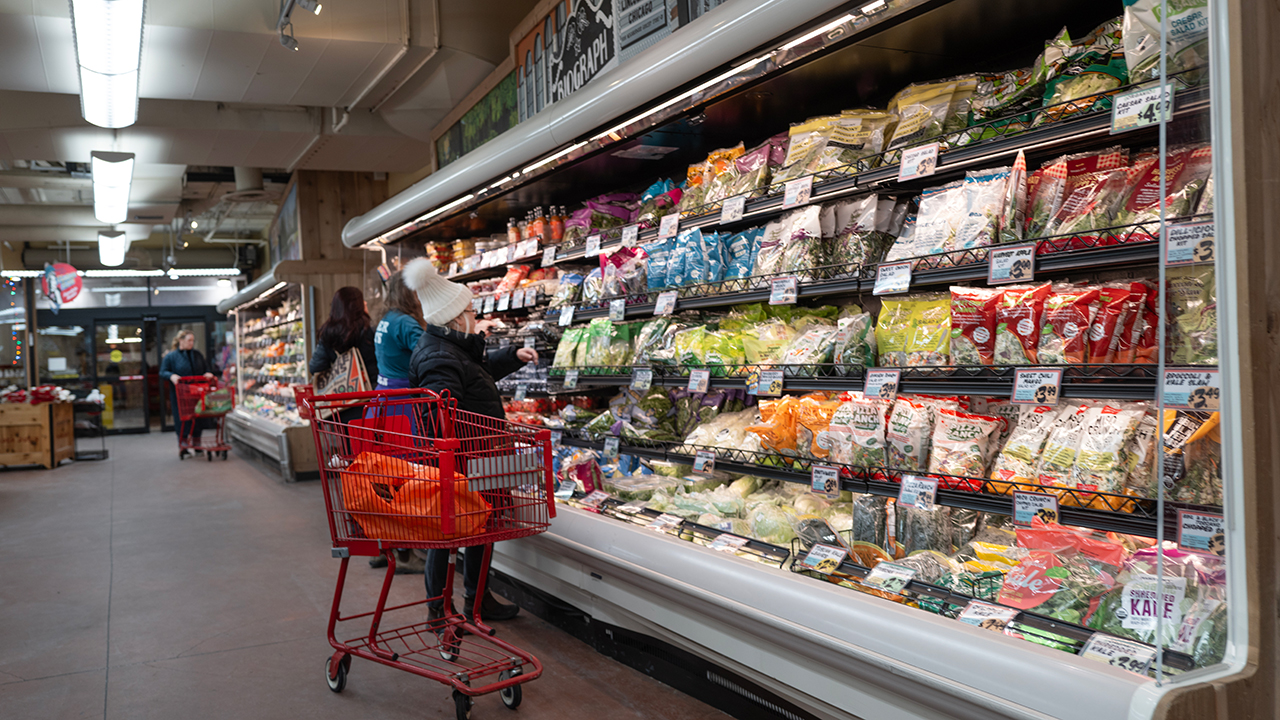
Initially involving 3.37 million pounds of frozen chicken fried rice, the recall surged by an additional 33.6 million pounds to include a diverse array of ready-to-eat and not-ready-to-eat products. This rapid escalation and vast product scope — from popular fried rice varieties to dumplings and shu mai — reveal how a singular point of contamination can permeate numerous product lines and diverse retail channels, exposing a critical failure in foreign material detection protocols.
Ajinomoto’s Operational Catastrophe: Beyond Logistics to Systemic Quality Failure
For Ajinomoto Foods North America, the Oregon-based manufacturer at the nexus of this crisis, the operational fallout is catastrophic. Retrieving nearly 37 million pounds of product from nationwide distribution channels demands an unparalleled logistical undertaking, siphoning immense resources from routine production, sales, and innovation. This monumental reverse logistics effort disrupts the entire operational cadence.
The immediate imperative is pinpointing the precise origin of the glass contamination within its extensive production ecosystem. This rigorous investigation necessitates a comprehensive audit of all machinery, processing lines, and quality assurance protocols, potentially spanning multiple facilities and raw material suppliers. Such a forensic analysis will inevitably trigger costly production halts, retooling, and significant capital outlays in preventative technologies.
Beyond the direct financial outlays for reverse logistics, storage, and disposal of contaminated goods, the indirect operational burdens are substantial. These include the massive reallocation of personnel to crisis management, intensive internal auditing, and the imperative to retrain staff on elevated safety procedures. Collectively, these efforts severely impede normal business efficiency and operational continuity, reflecting a profound systemic breakdown.
The sheer magnitude of the recall unequivocally signals a systemic quality failure rather than an isolated incident. This necessitates a fundamental re-evaluation of Ajinomoto’s entire quality management framework, likely driving substantial future capital expenditure into advanced foreign material detection technologies, enhanced process automation, and revamped supply chain vigilance. This reorientation profoundly impacts the company’s long-term operational strategy and investment priorities, dictating a costly recovery pathway.
Retailer Brand Erosion: Trader Joe’s, Kroger Face Reputational Fallout and Market Shift
For major retailers such as Trader Joe’s, Ralphs, and Kroger, this expansive recall triggers immediate and multifaceted logistical and reputational crises. The operational burden of removing affected products, processing customer returns, and managing refund protocols generates significant overhead, directly impacting profitability through lost sales, inventory write-offs, and administrative costs.
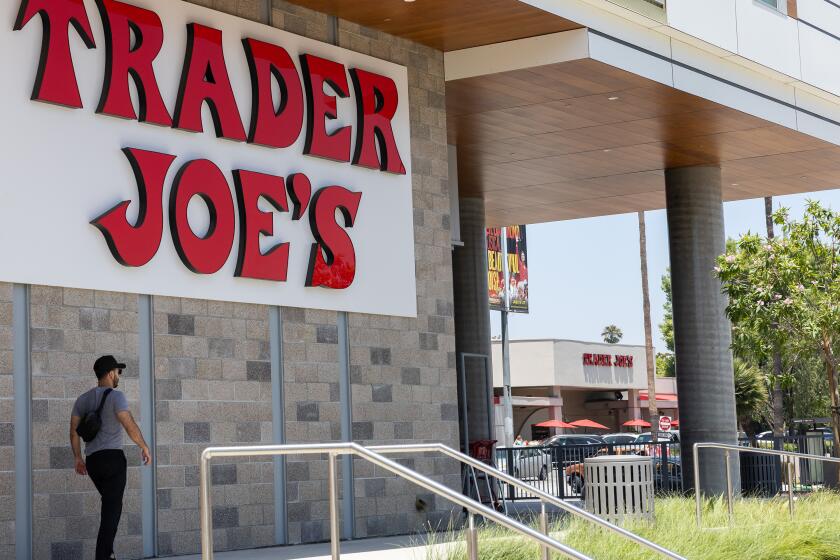
Trader Joe’s, with its distinctive private-label strategy, faces particularly acute brand equity risks. The recall of core branded items—including various fried rice formulations and chicken shu mai—directly compromises its carefully cultivated image of quality and consumer trust. Their public statements, while emphasizing health and safety, are critical, yet fragile, attempts to safeguard their loyal customer base from erosion.
Kroger, operating a vast retail footprint and distributing both its own brand and third-party labels like Ling Ling and Tai Pei, confronts similar challenges across a broader demographic. The widespread market exposure through these popular brands amplifies the potential for diminished consumer confidence across diverse segments of the frozen food market, necessitating a robust, multi-brand communication strategy.
The financial ramifications for retailers transcend immediate expenses, extending to potential long-term alterations in consumer purchasing habits. A sustained shift away from affected brands or even the entire frozen food category could exert lasting revenue pressure, compelling significant strategic marketing investments to painstakingly rebuild trust and preference in a competitive landscape.
FSIS Scrutiny Intensifies: Reshaping Food Safety Policy and Industry Compliance
The Department of Agriculture’s Food Safety and Inspection Service (FSIS) bears the critical mandate of overseeing large-scale food recalls, ensuring public health protection through compliance enforcement and public notification. However, this intervention starkly illustrates the reactive posture of current regulatory mechanisms, often activated only after widespread contamination has already occurred.
The unprecedented volume of nearly 37 million pounds of recalled product guarantees intensified FSIS scrutiny. This will predictably lead to heightened inspection frequencies, more stringent enforcement actions, and a fundamental re-evaluation of existing regulatory guidelines specifically concerning foreign material detection in processed foods. This creates a significant precedent for elevated compliance burdens and operational costs across the entire food manufacturing industry.
Such a high-profile contamination event invariably catalyses industry-wide dialogues on best practices, encompassing quality control enhancements, more rigorous supplier vetting, and refined recall protocols. While immediate legislative changes may not materialize, the incident provides a powerful incentive for manufacturers and retailers to proactively fortify internal safety standards, thereby preempting future regulatory pressures and safeguarding market credibility.
Ultimately, this event crystallizes the inherent tension between optimizing for efficient, large-scale food production and upholding the absolute imperative of consumer safety. Major recalls like this are pivotal inflection points, influencing the long-term trajectory of food safety policy, enforcement paradigms, and the operational environment for all market participants for years to come.
Financial Contagion: Ajinomoto’s Economic Burden and Industry-Wide Contractual Shifts
The financial repercussions for Ajinomoto Foods North America are unequivocally substantial, far exceeding the direct costs of reverse logistics and disposal. These extend to potential legal liabilities, escalated insurance premiums, and a significant erosion of future revenue projections. The sheer scale of the recall will severely strain capital reserves, compelling a fundamental re-evaluation of the company’s investment strategies and potentially hindering future expansion.
For any publicly traded entities within the affected supply chain—even indirectly—such a high-profile event invariably triggers investor apprehension. This can lead to downward pressure on stock valuations, increased cost of capital, and diminished access to capital markets. The market’s assessment of a company’s robust quality control framework and risk mitigation capabilities becomes an existential determinant of its financial health and long-term viability.
The competitive dynamics within the frozen food sector are also poised for shifts. While direct competitors remain un-implicated, the incident creates a tangible impetus for consumers to re-evaluate brand loyalty, potentially shifting preferences towards perceived safer alternatives. This presents a strategic window for rivals to aggressively capture market share or proactively bolster their own quality assurance messaging, thereby reshaping category leadership.
Crucially, the recall will precipitate a recalibration of power dynamics in supply contracts between manufacturers and retailers. Future agreements will likely feature significantly strengthened liability clauses, more granular quality assurance metrics, and harsher performance penalties. This systemic adjustment reflects an urgent industry-wide endeavor to more equitably distribute and manage inherent supply chain risks.
Post-Recall Strategic Imperatives: Rebuilding Trust and Operational Fortification
In the indelible aftermath of this extensive recall, strategic decisions become the decisive factors for all implicated parties. Ajinomoto Foods North America faces the dual imperative of managing the immediate crisis while concurrently engineering a robust long-term strategy to painstakingly restore its reputation and rebuild fractured trust with both its retail partners and discerning end consumers.
This necessitates substantial, multi-pronged investment: highly transparent public relations campaigns, granular communication detailing definitive corrective actions, and potentially a comprehensive re-branding initiative for affected product lines. The formidable challenge lies in translating declarative statements into verifiable, tangible improvements in manufacturing processes, demonstrating an unyielding commitment to quality that resonates beyond rhetoric.
For retailers such as Trader Joe’s and Kroger, the strategic mandate compels a rigorous, systemic re-evaluation of their entire supplier relationship and vetting architecture. Ensuring that their private-label and co-branded offerings adhere to the most stringent safety and quality benchmarks is not merely crucial but foundational for preserving consumer loyalty and safeguarding their brand equity, which is inextricably linked to consistent quality and unwavering trust.
This incident serves as a seminal case study in profound crisis management and the arduous path to brand resilience. Organizations capable of decisively communicating their response, demonstrating unwavering accountability, and implementing enduring preventative measures are ultimately best positioned to navigate such crises, emerging with a fortified operational framework and cautiously renewed consumer confidence, albeit always at a significant, often incalculable, cost.
Food Safety Paradigm Shift: Re-evaluating Global Supply Chain Safeguards and Consumer Confidence
This monumental recall serves as a stark, recurring testament to the inherent fragility within the globalized food production system: a localized manufacturing anomaly can rapidly metastasize into pervasive consumer safety concerns across continents. The profound interconnectedness of modern supply chains dictates that a singular point of failure now precipitates far-reaching, detrimental consequences across myriad brands and geographical markets.
Consumer trust, once compromised, presents an arduous and often Sisyphean task to rebuild. Incidents of this magnitude possess the potent capacity to irrevocably alter public perception of entire food categories or even the broader food industry. The media’s pervasive role in disseminating recall information and dissecting its profound implications further shapes this public discourse, underscoring the indispensable need for transparent, consistent, and factually rigorous communication from all stakeholders.
Institutionally, the event forcefully reiterates the non-negotiable demand for exquisitely robust internal quality control systems, fiercely independent third-party audits, and consistently proactive regulatory oversight. It unequivocally demonstrates that food safety transcends mere compliance; it is a foundational pillar of public health, economic stability, and societal well-being, demanding relentless vigilance, perpetual adaptation, and unwavering ethical commitment from every participant in the intricate food value chain.
Ultimately, the nearly 37 million pounds of recalled frozen food products transcend a mere logistical quandary; they represent a critical inflection point for a comprehensive re-evaluation of the systemic safeguards designed to protect consumers. The indelible long-term consequences will undoubtedly manifest in demonstrably enhanced industry standards, meticulously tightened contractual agreements, and an intensified, unwavering focus on transparency and accountability across the entirety of the food supply ecosystem.