Strategic Insolvency and the Raiders’ Quarterback Arbitrage
The Las Vegas Raiders utilized the 2026 NFL Draft to address chronic institutional instability at the quarterback position. By selecting Indiana’s Fernando Mendoza with the first overall pick, the front office executed a pivot toward a high-ceiling prospect defined by elite processing and physical resilience. This move represents a calculated use of rookie-scale contract arbitrage, providing the financial surplus necessary to supplement a depleted roster through veteran free agency.
Asset Liquidation and Market Liquidity: The Dexter Lawrence Transaction
The New York Giants’ decision to trade defensive anchor Dexter Lawrence for the No. 10 overall selection signifies a shift from immediate performance stability toward long-term capital liquidity. General Manager Joe Schoen’s strategy prioritizes a cost-controlled defensive core over premium-priced veteran contracts. This maneuver allowed the Giants to dictate draft-day market dynamics, effectively resetting their competitive timeline while targeting high-value prospects like Sonny Styles to mitigate the loss of interior pressure.
Capital Depletion and Dynastic Sustainability in Kansas City
The Kansas City Chiefs’ aggressive ascent into the top 10 reflects an institutional preference for elite talent over draft volume. By depleting mid-round reserves to secure a blue-chip defender, the organization mirrors the aggressive 2017 maneuvers that secured Patrick Mahomes. This strategy assumes that a top-heavy roster, led by generational stars, can sustain competitive advantages despite a thinner supporting cast—a high-risk bet on developmental efficiency within their internal scouting system.
Trade-Down Economics: The Arizona Facilitation Model
As the primary facilitator at No. 3 overall, the Arizona Cardinals leveraged the 2026 class’s depth to generate a high-yield return on draft capital. By converting a single elite slot into multiple high-leverage assets, Arizona addressed systemic roster deficiencies. This facilitation creates a secondary market where QB-needy franchises inflate the value of the Cardinals’ position, allowing Arizona to build sustainable depth while avoiding the concentration of risk inherent in a top-three selection.
Scouting Granularity and Marginal Gains in Late-Round Valuation
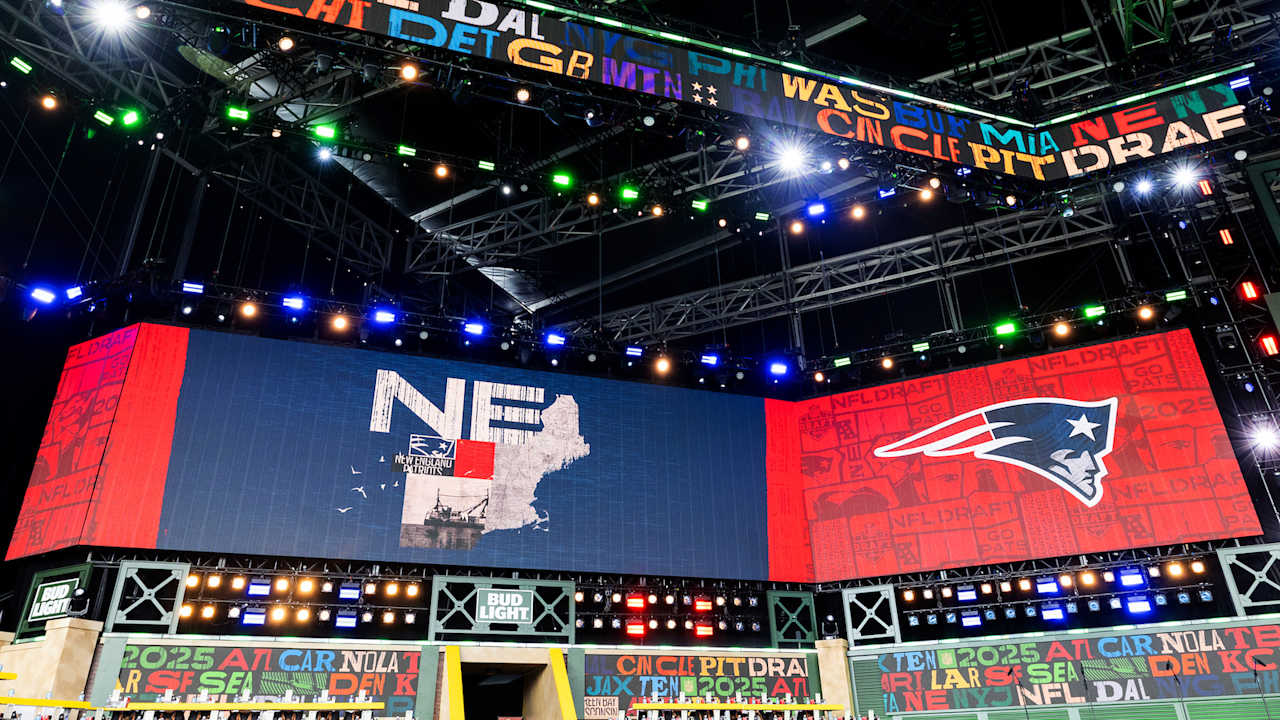
Late-round success remains the differentiator for franchises like the New England Patriots, where selecting at the 31st position requires advanced data cross-referencing. Utilizing comprehensive scouting frameworks, teams identify schematic fits—such as Jeremiyah Love—who offer high ROI despite lower draft pedigree. The reliance on standardized databases for medical and behavioral vetting reduces the probability of selection failure in a talent pool characterized by diminishing returns.
Institutional Risk Mitigation and Prospect Profiling
The 2026 draft serves as a case study in risk management, where every selection represents a multi-million dollar investment of organizational capital. Modern front offices integrate film study with psychological profiling and predictive analytics to minimize the uncertainty of the collegiate-to-professional transition. This holistic evaluation process is essential for protecting coaching job security and ensuring long-term franchise viability in a league defined by thin competitive margins.
The Economic Stimulus of the Pittsburgh Venue
The selection of Pittsburgh as the host city generated significant economic externalities, providing a platform for NFL brand expansion and urban infrastructure development. Beyond the $100M+ in localized hospitality revenue, the event serves as a critical node in the league’s commercial calendar, driving broadcast viewership for partners like ESPN and ABC. This convergence of sports and commerce underscores the draft’s evolution from a personnel exercise into a cornerstone of the NFL’s global business strategy.
Conclusion: The Cumulative Impact of Strategic Forecasting
The 2026 NFL Draft was defined by 257 distinct exercises in resource allocation and strategic forecasting. From the Raiders’ franchise-altering QB investment to the Chiefs’ aggressive pursuit of defensive excellence, these decisions will dictate the league’s power structure for the next decade. As the focus shifts to on-field execution, the success of this class will be measured by its ability to translate draft-room theory into championship-level performance.