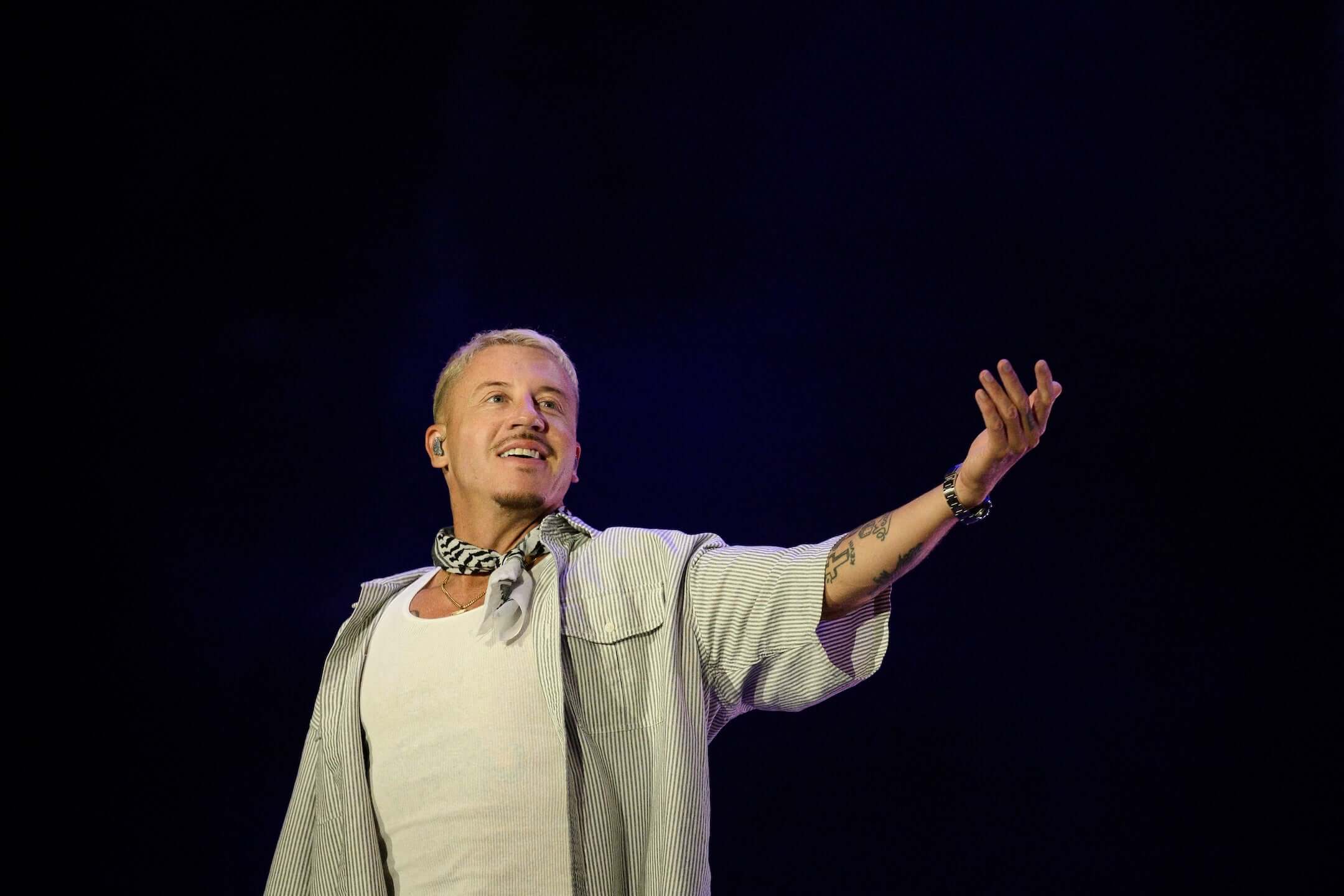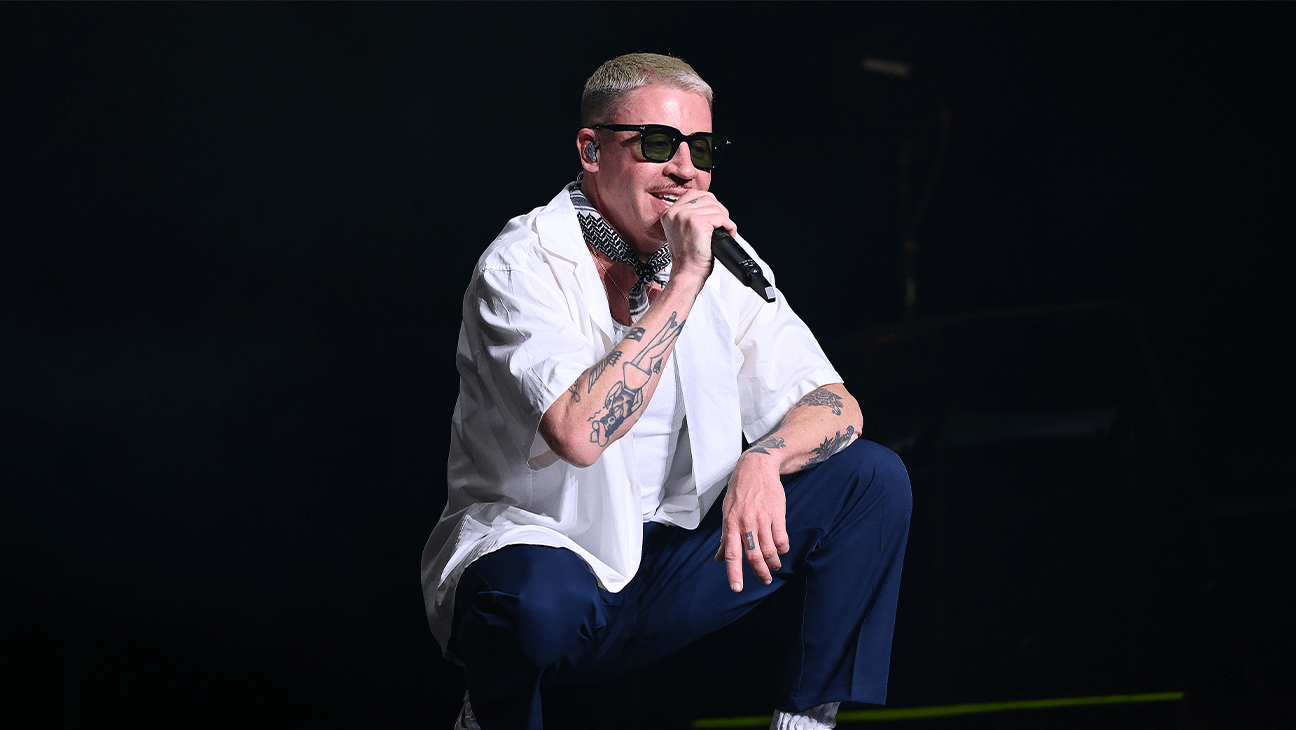
The nexus of live entertainment and geopolitical activism has intensified following Macklemore’s pro-Palestinian remarks during his opening performances for Ed Sheeran’s tour at MetLife Stadium in East Rutherford, New Jersey. Benjamin Haggerty, known as Macklemore, leveraged this prominent commercial platform to deliver explicit political statements concerning the Middle East conflict, underscoring how major music events increasingly serve as conduits for artists’ ideological expression.
During these consecutive weekend shows, Macklemore performed ‘Hind’s Hall,’ his protest track referencing university occupations linked to pro-Palestinian demonstrations. This musical delivery was coupled with direct verbal appeals advocating for a ‘free Palestine’ to the stadium audience. These explicit actions swiftly elevated a routine tour engagement into a flashpoint for widespread public and institutional discourse on the boundaries of artistic freedom within commercial entertainment frameworks.
Institutional Response and Advocacy Pressure
These provocative public appeals immediately galvanized formal responses from organized advocacy groups. Notably, the Israeli-American Council publicly demanded that headliner Ed Sheeran dissociate from Macklemore, urging the removal of the supporting act from all forthcoming tour dates. This rapid institutional intervention starkly highlights the strategic leverage advocacy organizations exert to influence corporate and artistic determinations within the entertainment sector.
The operational architecture of major tours is underpinned by intricate contractual agreements binding headliners, supporting artists, venue operators, and corporate sponsors. Demands for an artist’s removal thus compel headliners to meticulously balance competing stakeholder interests against substantial financial commitments. This dynamic situation lays bare the inherent contractual vulnerabilities within multi-act touring packages, especially when individual performers pursue independent artistic or political agendas.
Public Commentary and Media Amplification
The public discourse rapidly expanded beyond organizational statements, permeating broader media and celebrity commentary channels. High-profile figures, such as comedian Michael Rapaport, leveraged digital platforms to vehemently condemn the performances and scrutinize the tour’s primary act’s curatorial judgment. These swift digital exchanges exemplify the accelerated propagation of live event controversies across contemporary media ecosystems.
Social media amplification invariably transmutes localized stage remarks into national-scale controversies within an abbreviated timeframe. This dynamic profoundly complicates the reputation management strategies of major touring acts, who are increasingly compelled to anticipate the unpredictable communicative actions of their supporting performers. The ensuing friction vividly underscores the operational complexities inherent in maintaining cohesive brand alignment across diverse artistic rosters.
Strategic Implications for Live Entertainment
The MetLife Stadium incidents serve as a critical case study illustrating the evolving boundaries of permissible discourse within commercial entertainment venues. Promoters and venue operators now confront intensified scrutiny concerning the equilibrium between artistic autonomy and the potent reputational risks of contentious political commentary. These escalating structural tensions strongly suggest that future booking agreements will likely incorporate more stringent risk-mitigation protocols to proactively manage ideological friction.
Given that live tours represent a foundational revenue stream for the contemporary music industry, the strategic management of political expression’s externalities is rapidly evolving into a core administrative competency. The significant public fallout from this controversy illuminates the considerable commercial stakes when artists leverage mainstream platforms for polarizing advocacy. Ultimately, these unfolding developments rigorously test the adaptive resilience of established industry frameworks governing artist conduct and stakeholder relationships.