Operational Retrenchment and Network Optimization
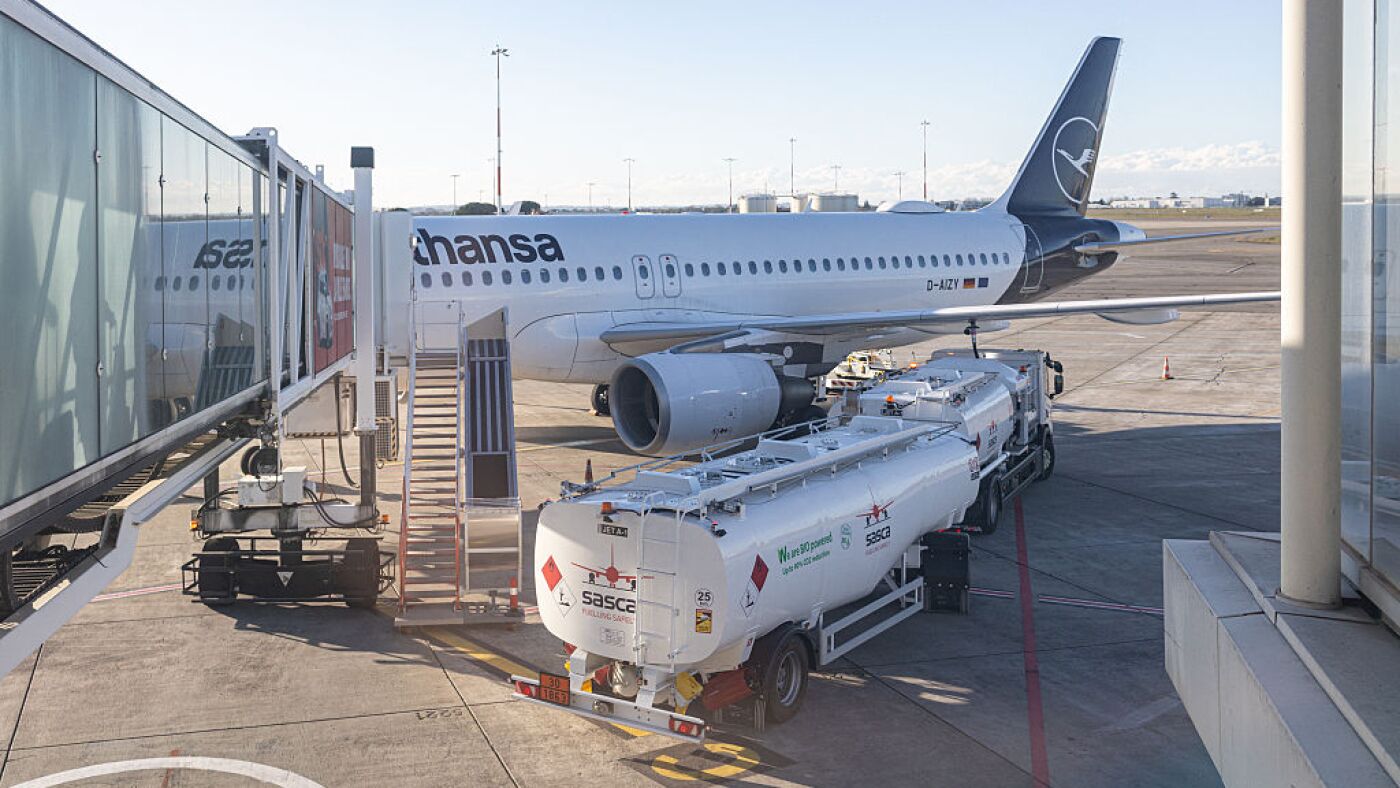
The Lufthansa Group has initiated an aggressive operational retrenchment, announcing the cancellation of 20,000 short-haul flights through October. This pivot responds to the systemic volatility in global energy markets triggered by the conflict in Iran. By prioritizing the preservation of capital over market share, the carrier is mitigating the fiscal pressure of jet fuel prices that have doubled since late February. This surgical removal of low-yield, short-haul segments is designed to safeguard the group’s liquidity against escalating overhead costs.
Despite the high volume of cancellations, the impact on the group’s total capacity is mathematically marginal, representing a decrease of less than one percent in Available Seat Kilometers (ASK). This metric reveals a sophisticated network management strategy: sacrificing high-frequency regional connectivity to protect the high-margin, long-haul segments that sustain the group’s revenue architecture. The concentration of these cuts at the Frankfurt and Munich hubs signals a fundamental consolidation of domestic and regional resources.
Energy Exposure and Supply Chain Vulnerabilities
Fuel represents the most volatile variable expense in aviation, and the current doubling of prices has fundamentally disrupted the cost-modeling of European carriers. Lufthansa’s reduction is projected to conserve approximately 40,000 metric tons of fuel—a critical hedge against an unpredictable pricing environment. Given that Europe relies on the Middle East for roughly one-third of its jet fuel imports, the conflict in Iran exposes a deep structural vulnerability in the continent’s aviation infrastructure.
This geopolitical exposure necessitates a shift from growth-oriented strategies to defensive stability. While Lufthansa reports that short-term fuel supplies are secured, the long-term viability of its current schedule remains contingent upon the duration of hostilities. The economic viability of regional routes with lower load factors evaporates under current price shocks, making “planned consolidation” an institutional necessity for subsidiaries like Austrian Airlines, SWISS, and ITA Airways.
Structural Consolidation and Long-Term Market Impact
A pivotal element of this strategy is the liquidation of the regional subsidiary, CityLine. This shutdown indicates that the energy crisis is acting as a catalyst for permanent structural streamlining rather than temporary adjustments. By removing operational layers and consolidating traffic across its six major hubs—including Brussels, Rome, Vienna, and Zurich—Lufthansa is repositioning its fleet to withstand prolonged economic contraction. While German hubs face the steepest cuts, strategic reallocations in Zurich and Vienna suggest a shift toward markets with superior yield resilience.
Lufthansa’s actions mirror a broader industry trend toward forced contraction, with carriers like KLM and SAS also revising schedules. However, the scale of Lufthansa’s 20,000-flight reduction underscores its unique exposure as a hub-centric global leader. For consumers, this supply-side contraction during the peak summer season will likely result in increased ticket prices and reduced regional connectivity. Ultimately, this consolidation serves as a case study in managing exogenous geopolitical shocks through aggressive asset reallocation and capacity management.