
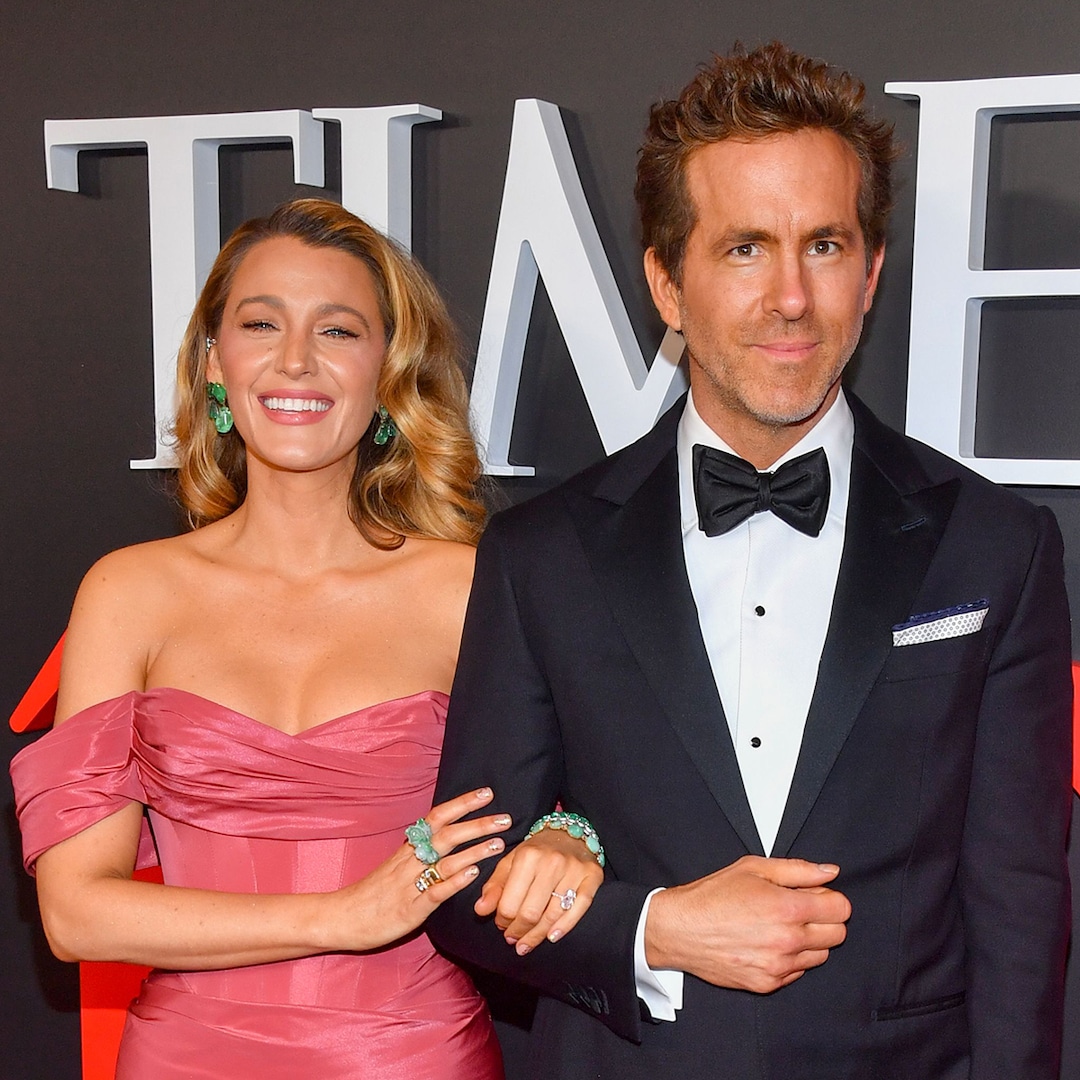
The escalating litigation between Blake Lively and Justin Baldoni marks a definitive shift from creative friction to a formal examination of workplace liability within talent-led productions. As the It Ends With Us proceedings advance, the unsealing of discovery documents highlights a critical breakdown in internal conflict resolution, exposing the structural risks inherent in the director-actor-producer model.
Reputational Hedging and Brand Alignment
Ryan Reynolds’ public advocacy for Lively on April 19 functions as more than a personal gesture; it is a calculated deployment of brand equity. By positioning Lively’s actions within a narrative of integrity, Reynolds attempts to mitigate the risk of ‘discovery phase optics’ where unsealed communications might otherwise compromise their joint commercial standing. This strategy frames the litigation not as a localized dispute, but as a defense of professional standards against systemic failures.
This intervention on the Today show serves as a preemptive strike against potential character assessments during trial. By emphasizing a distinction between digital perception and judicial truth, the Reynolds-Lively legal team is effectively managing the ‘court of public opinion’ to preserve their marketability, which is intrinsically linked to their public personas as ethical industry leaders.
The Nexus of Harassment and Institutional Retaliation
Central to the filing are allegations of sexual harassment and subsequent professional retaliation. These claims, supported by unsealed evidentiary artifacts, suggest that traditional institutional safeguards failed to protect lead talent. For industry stakeholders, this case serves as a litmus test for studio liability: if a producer-level actress faces blowback for reporting misconduct, it exposes a fundamental flaw in current indemnification frameworks and labor protections.
The transition from private mediation to public litigation indicates that the existing ‘director-actor-producer’ power structures lack the independent oversight necessary to resolve high-stakes grievances. The outcome could force a reevaluation of how talent contracts are structured, specifically regarding the separation of creative control from HR reporting lines to prevent retaliatory professional isolation.
Discovery Optics and Operational Realities
The release of unsealed internal communications provides a rare look into the operational friction of high-budget sets. These documents are essential for establishing a timeline of ‘intent,’ helping legal analysts determine whether the alleged retaliation was a localized management failure or a systemic organizational response. The involvement of Reynolds’ representatives in these communications further underscores a multi-layered approach to conflict documentation.
By maintaining a consistent record of private resolution attempts prior to filing, Lively’s legal team is building a defense against claims of manufactured grievances. This proactive documentation is vital for countering defense strategies that often seek to frame post-production litigation as opportunistic rather than corrective.
Geospatial Brand Distancing and Exit Strategies
Reports of a potential relocation for Lively and Reynolds suggest a strategy of ‘geospatial brand distancing.’ In the context of high-exposure litigation, moving jurisdictions can function as a method of insulating a family brand from the immediate volatility of the U.S. media cycle. Furthermore, such shifts often involve complex considerations of personal security, tax liability, and the establishment of new international production hubs far from the domestic legal firestorm.
This potential exit emphasizes the perceived intensity of the current judicial and media pressure. It suggests that the implications of the Baldoni dispute are being treated as a systemic threat to their professional footprint, necessitating a radical reevaluation of their operational base within the American entertainment ecosystem.
Conclusion: Evolving Governance in Talent-Driven Projects
The Lively-Baldoni trial is a watershed moment for talent governance. It challenges the industry to move beyond non-disclosure agreements and private settlements toward a more transparent accountability framework. The transparency afforded by unsealed discovery may empower other performers to seek judicial intervention, potentially ending the era of ‘quiet settlements’ in high-profile harassment cases.
Ultimately, the resolution of this case will set precedents for how studios manage the concentration of power in talent-driven projects. Whether through a verdict or a significant settlement, the case will likely trigger a revision of industry standards, ensuring that creative control does not come at the expense of workplace safety or professional integrity.

Photo by RonPorter on Pixabay.