India’s Education Crisis Ignites Widespread Youth Protests, Forcing Government Dialogue
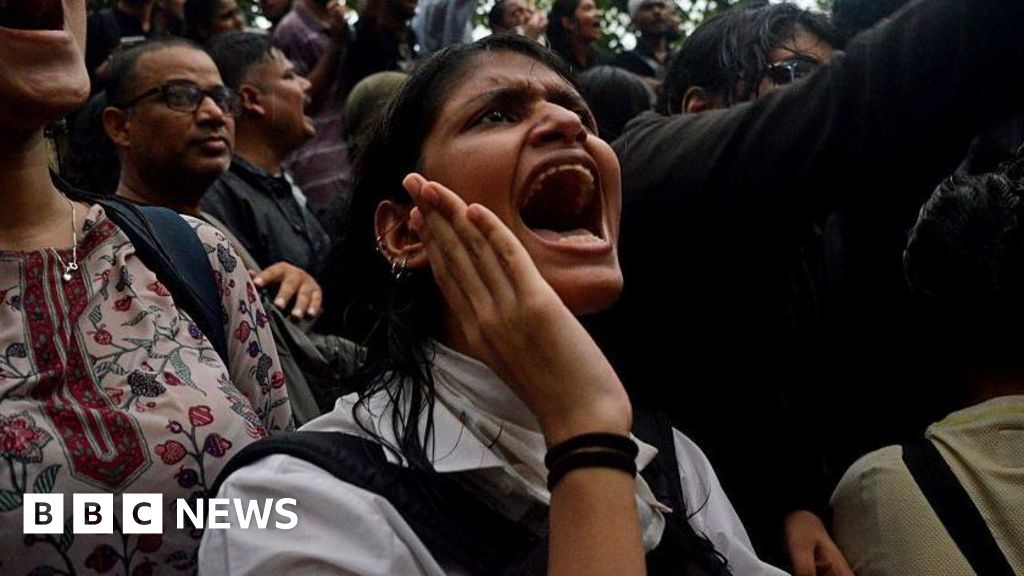
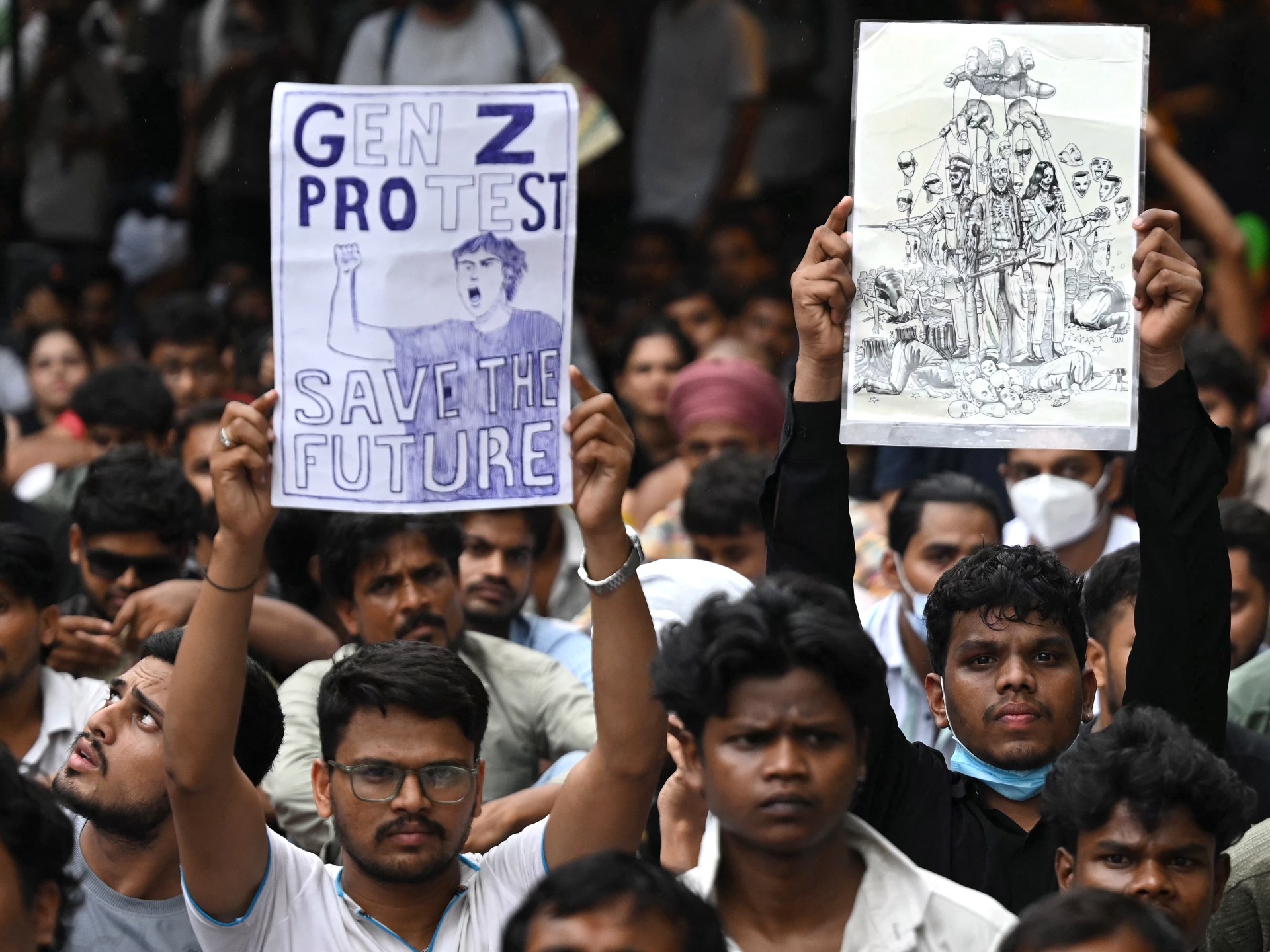
India’s government has initiated discussions with leaders of the Cockroach Janta Party (CJP), a youth-led protest movement, following weeks of escalating demonstrations and a police crackdown on a march to parliament. This direct engagement with a non-traditional political actor underscores the growing influence and mobilizing capacity of the CJP amidst national anxieties.
The genesis of these protests lies in widespread allegations of national examination paper leaks and the subsequent cancellation of a major medical entrance exam. These incidents have severely eroded public trust in the integrity of India’s educational institutions and the fairness of its meritocratic systems. The reported suicides of students following the exam cancellation amplify the immense pressure on young individuals within a highly competitive academic environment, transforming a policy dispute into a profound societal concern regarding youth well-being and systemic accountability. This disillusionment among youth carries significant long-term economic and social costs, potentially impacting national stability and future prosperity.
CJP’s Strategic Evolution and Unwavering Demands Challenge Political Establishment
The CJP, initially an online satirical movement, has effectively transitioned into a potent platform for articulating the anxieties and dissent of young people across India. Its ability to maintain momentum for over a month, culminating in direct government talks, signals a new phase in stakeholder engagement for India’s political establishment, challenging traditional frameworks of political representation.
Central to the CJP’s demands is the resignation of Education Minister Dharmendra Pradhan, a call that remains unresolved despite initial discussions, signaling the political sensitivity and high stakes associated with such a concession. In contrast, the government reportedly responded positively to two other key demands: compensation for families of students who died by suicide following the exam cancellation, and the withdrawal of police cases against protesters. This differentiated response suggests a tactical approach, aiming to address immediate humanitarian concerns and de-escalate legal pressures while deferring on the politically charged demand for a ministerial resignation.
The CJP’s firm stance, articulated by spokespersons Ashutosh Ranka and Saurav Das, confirms that protests will continue nationwide until all demands are met, particularly the resignation of the education minister. This unwavering position grants the CJP significant leverage, as the ongoing demonstrations impose reputational and operational costs on the government. The explicit threat of a nationwide protest call represents a substantial escalation risk, potentially disrupting public order and economic activity on a broader scale.
Systemic Vulnerabilities and Far-Reaching Implications for Governance
The ongoing crisis exposes the vulnerability of government institutions to public dissatisfaction when systemic failures, such as exam leaks, directly impact the aspirations of a large demographic. The education ministry, in particular, faces intense scrutiny, with its leadership’s credibility directly challenged. Beyond immediate political figures, the integrity of national examination bodies and regulatory frameworks is now under a microscope, necessitating a comprehensive review of administrative processes to restore confidence and prevent long-term damage to India’s human capital development pipeline.
The government’s positive response to compensation demands introduces a direct financial liability, reflecting tangible costs of administrative failures. While specific figures are not disclosed, the precedent set could have broader fiscal implications. Furthermore, prolonged nationwide protests carry significant indirect economic costs, including potential disruptions to commerce, tourism, and daily life. The reported willingness to withdraw police cases against protesters highlights the intricate intersection of legal and political pressures, serving as a tactical move to de-escalate tensions but also raising questions about the application of law enforcement during protests.
The CJP’s success in compelling government engagement, even if partial, establishes a significant precedent for youth activism in India. This underscores a broader imperative for enhanced governance and accountability mechanisms, demanding comprehensive institutional reforms beyond just ministerial changes to address root causes like deficiencies in oversight, regulatory enforcement, and ethical conduct. External support, such as activist Sonam Wangchuk’s 26-day hunger strike, further amplifies the collective pressure on the government.
Strategic Crossroads: Government Dilemmas and Paths to Reform
The ruling administration faces a complex strategic dilemma: conceding to the demand for a ministerial resignation could be perceived as a sign of weakness, potentially emboldening other protest groups. Conversely, refusing to yield risks further escalation, prolonging the crisis and potentially damaging public trust and electoral prospects. The decision-making process will balance immediate political fallout against long-term governance stability, influencing the ruling party’s broader political narrative.
Continuous media coverage has amplified the CJP’s message and shaped public opinion, placing additional pressure on the government to demonstrate responsiveness and transparency. The current stalemate, coupled with the CJP’s threat of further nationwide action, suggests the crisis is far from resolved. The trajectory of this movement will depend heavily on the government’s subsequent decisions regarding Minister Pradhan’s resignation and broader reforms addressing educational integrity. CJP’s remarkable organizational resilience and strategic acumen in transitioning from an online satirical entity to a formidable protest leader will be crucial in navigating this delicate phase, determining whether India faces deeper civil unrest or paves the way for significant systemic reforms.