The $5.00 Psychological Breach and Market Inelasticity
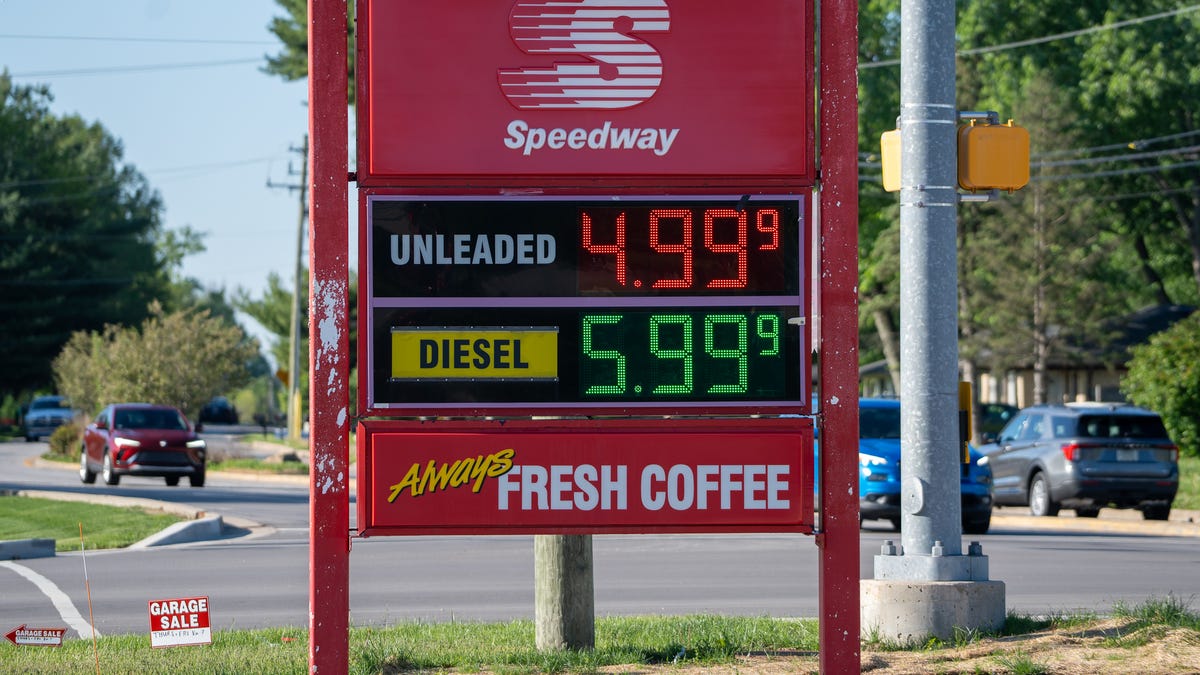
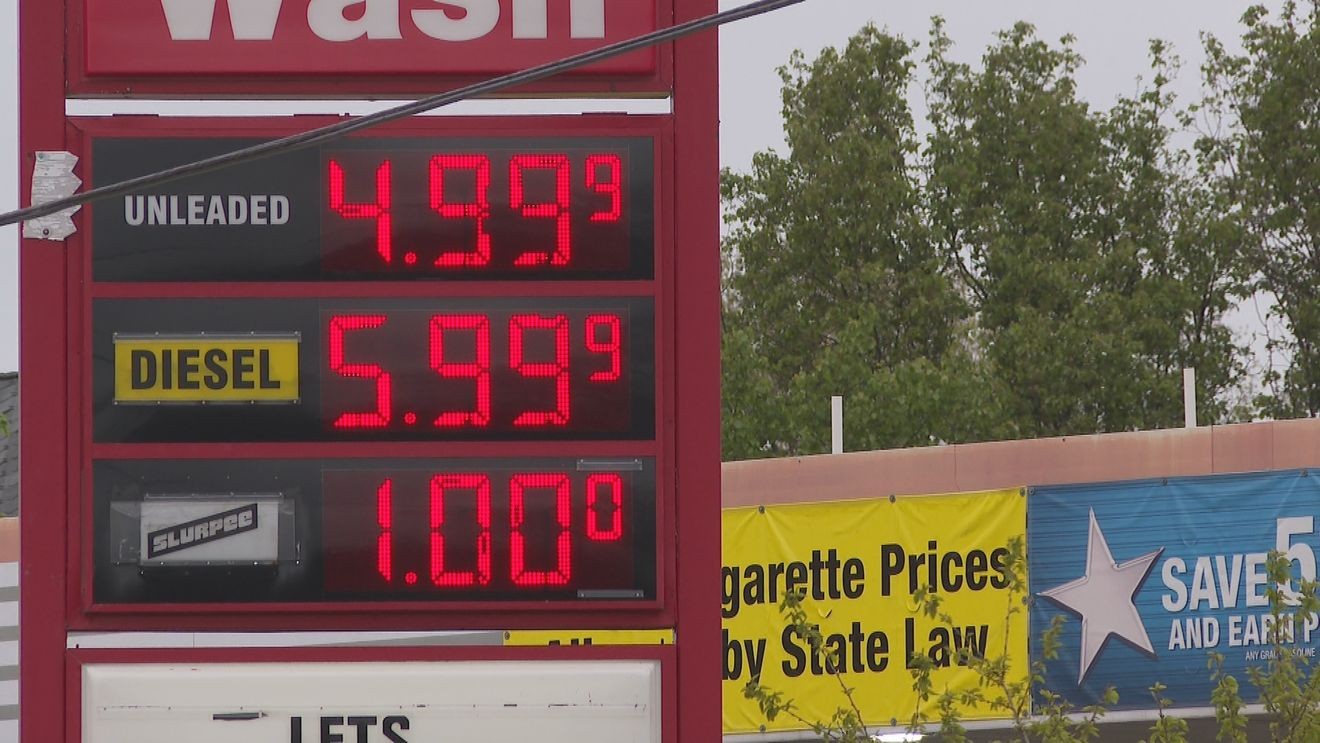
Indiana’s retail fuel sector has hit a structural inflection point, with regular unleaded prices reaching $4.99 per gallon across key metropolitan corridors. While the state average hovers at $4.42, localized peaks in Indianapolis and South Bend represent a breach of psychological resistance levels, signaling a transition from seasonal fluctuation to sustained high-volatility pricing.
Fiscal Convergence: The May 8 Tax Suspension Expiration
A primary driver of the immediate price acceleration is the impending ‘fiscal cliff’ on May 8, marking the expiration of Governor Mike Braun’s 30-day gas tax suspension. The reintroduction of state usage taxes, layered onto an already elevated base price, creates a compounding effect. Retailers are currently adjusting margins to account for this transition, as the removal of state-level relief aligns with rising upstream costs, effectively eliminating the consumer cushion provided during the previous month.
Geopolitical Risk Premiums and Supply Chain Blockades
Global crude volatility, characterized by a 5.8% price spike, is anchored in the signaled blockade of the Strait of Hormuz. As a critical choke point for international energy transmission, any Iranian-centric disruption introduces a significant risk premium. Market participants are pricing in long-term structural constraints following indications that this maritime blockade could persist, directly impacting Indiana’s retail rates through increased replacement costs.
Asymmetric Pricing and Logistical Bottlenecks
Data from AAA and GasBuddy reveal significant regional variance, with prices ranging from $4.09 to $4.99. This asymmetry is driven by inventory turnover rates; stations on high-volume transit corridors, such as those in Mishawaka, reflect wholesale price increases more rapidly due to frequent replenishment cycles. This ‘rocket and feather’ pricing dynamic—where retail prices surge instantly on news but retract slowly—remains a dominant feature of the current Indiana energy landscape.
Macroeconomic Outlook: Energy Costs as a Regressive Tax
The 57% price increase since March represents a severe erosion of discretionary income, acting as a regressive tax on Indiana’s manufacturing and agricultural sectors. With the $4.40 average surpassing a four-year high, the state faces a period of structural scarcity. The convergence of geopolitical friction and the exhaustion of local fiscal tools suggests that $5.00 gasoline may transition from a temporary peak to a new operational baseline for the regional economy.