Strategic Rebuild Validation and Organizational Pivot
The Philadelphia Flyers’ return to the Stanley Cup playoffs for the first time since the 2019-20 season represents a significant validation of the franchise’s strategic rebalancing act. This resurgence is driven by an organizational pivot that effectively combines the experience of long-tenured veterans with a newly integrated core of developing talent. Securing a playoff berth in a challenging season highlights the efficacy of recent personnel decisions and a shift in institutional culture toward accelerated competitiveness.
The team’s competitive leverage is anchored by veteran leadership, most notably captain Sean Couturier. Couturier provides essential institutional continuity, serving as a bridge between a previous era defined by struggle and the current competitive push. His role extends beyond on-ice performance, acting as a crucial element in managing generational transitions. This dynamic—balancing established institutional knowledge with the energy of emerging talent—is critical for professional sports teams aiming for sustainable success rather than short-term spikes.
Talent Acquisition and Cultural Integration as Strategic Pillars
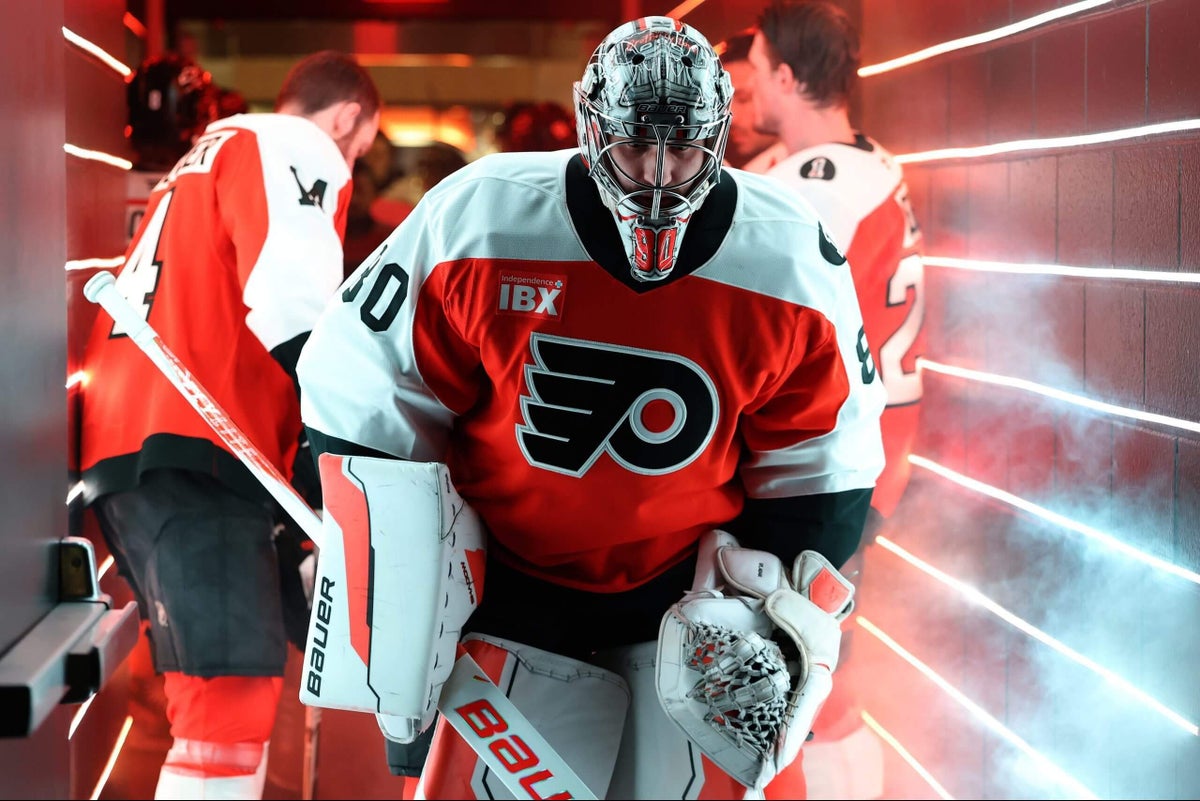
The team’s strategic decisions are further illuminated by the successful integration of key new acquisitions. Goaltender Dan Vladar, signed on July 1st, has proven to be a high-leverage acquisition whose performance has been recognized through two significant team awards: the Bobby Clarke Trophy for team MVP and the Yannick Dupre award for character and respect. These accolades underscore a successful talent evaluation process that prioritized both on-ice skill and cultural fit.
Vladar’s impact extends beyond individual statistics; his performance provides significant financial and strategic leverage. The two-year, $6.7 million contract represents an investment in a crucial position with a manageable cap hit. For a team in transition, securing high-level goaltending performance efficiently allows for greater flexibility in allocating resources to support the developing core. The dual recognition from both the local media (MVP) and the Professional Hockey Writers Association (character award) confirms his value proposition as both a primary driver of success and a successful assimilation into the team’s culture, mitigating the inherent risks of integrating new players.
This rapid assimilation—a perception reinforced by Vladar’s statement, “I feel like I’ve been here for a longer time than seven or eight months”—is vital for accelerating a competitive timeline. The ability of new players to quickly establish rapport and contribute meaningfully reduces internal friction and allows the organization to focus on on-ice execution, reflecting efficient organizational management.
Media Relations and Athlete Public Image Management
The interaction between the journalist and Sean Couturier provides insight into the evolving relationship between professional athletes and media representatives. The journalist recalls a previous confrontational interaction with former player Jake Voráček five years prior, where Voráček “ripped” the journalist’s writing. Couturier’s response, mimicking Voráček’s style but with a “toothless smile,” suggests a shift in how veteran players handle media scrutiny.
This subtle change reflects a broader trend in professional sports where athletes are increasingly media-trained to manage their public image. While Voráček’s reaction was direct and confrontational, Couturier’s response suggests a more calculated, performative engagement. This shift from direct conflict to a nuanced, almost playful, response indicates a maturation in media relations strategy, where athletes seek to control the narrative without escalating conflict. For a long-tenured player like Couturier, navigating these long-standing media relationships demonstrates institutional awareness and a strategic approach to public engagement as part of his leadership responsibilities.
Market Dynamics and Fan Engagement Monetization
The team’s playoff appearance creates significant market opportunities for media partners and the franchise itself. The source material, presented as a “PHLY Diehard exclusive” behind a paywall, illustrates a direct-to-consumer (DTC) media strategy designed to monetize heightened fan engagement during the playoffs. This model leverages the emotional investment of the fanbase by offering exclusive content and community access in exchange for a subscription fee.
The promotional offer, which includes a free gift shirt and discounts on merchandise, demonstrates a strategy focused on building a loyal, paying community rather than relying solely on traditional advertising revenue. This approach recognizes that playoff success creates a peak demand period for content and merchandise. By bundling exclusive content with tangible benefits, the media outlet aims to convert seasonal interest into long-term subscriptions, thereby stabilizing revenue streams and maximizing fan lifetime value beyond the immediate playoff run. This strategy capitalizes on the desire for community, transforming a transactional media relationship into a value-added experience that strengthens fan loyalty.
Long-Term Strategic Outlook and Sustainability Challenge
The Flyers’ playoff run, while significant, must be viewed as validation of a foundational strategy rather than a final destination. The organization’s reliance on a developing core suggests it is in the midst of a rebuild phase. The success of this phase hinges on the continued development of these young players and the ability to retain them through effective contract management and cultural development.
The combination of veteran leadership (Couturier’s continuity) and successful new acquisitions (Vladar’s integration) provides a blueprint for future roster construction. The challenge now shifts from simply making the playoffs to building a sustainable contender. This requires careful management of the salary cap, ensuring that high-performing young players are integrated into the long-term financial structure without compromising future flexibility. The emphasis on character and respect, recognized by Vladar’s award, suggests a deliberate effort to cultivate a positive environment—a precursor to sustained competitive success and resilience in high-pressure situations.