Federal Authorities Launch Investigation into Alleged Assault at Minneapolis Protest
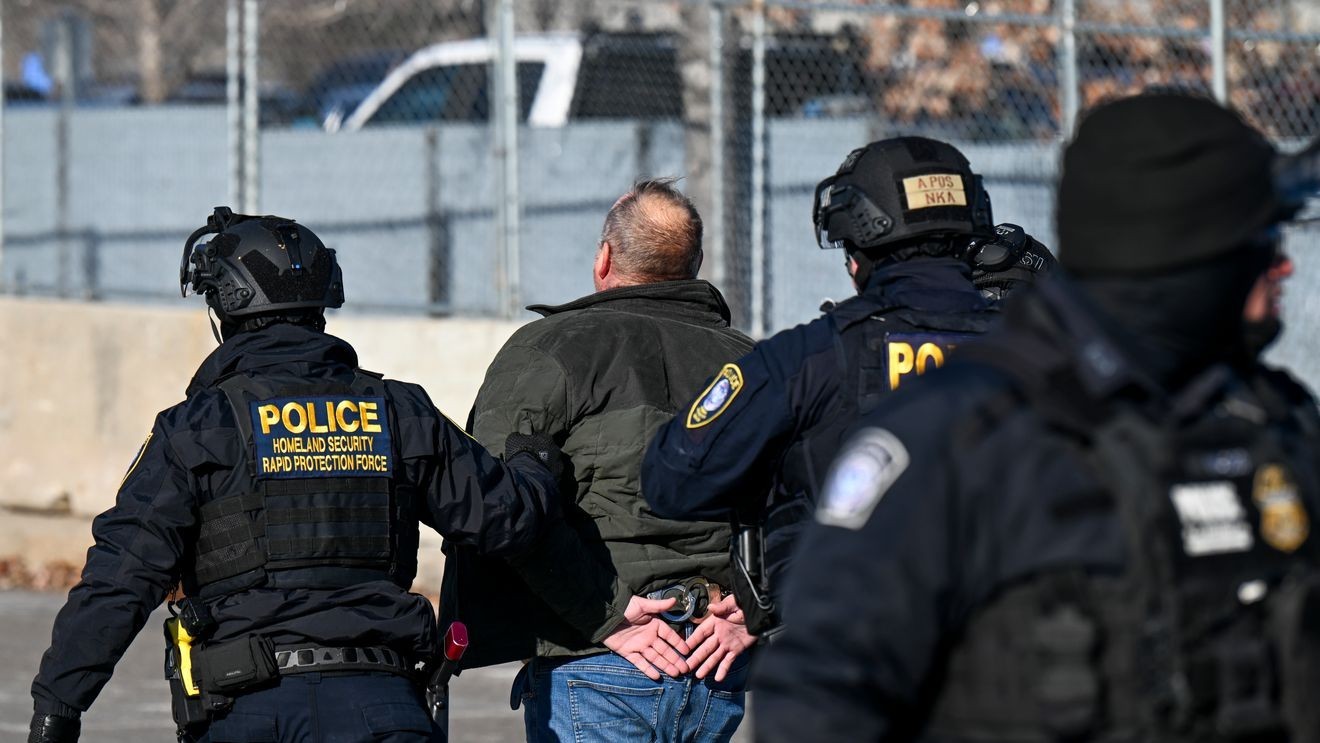
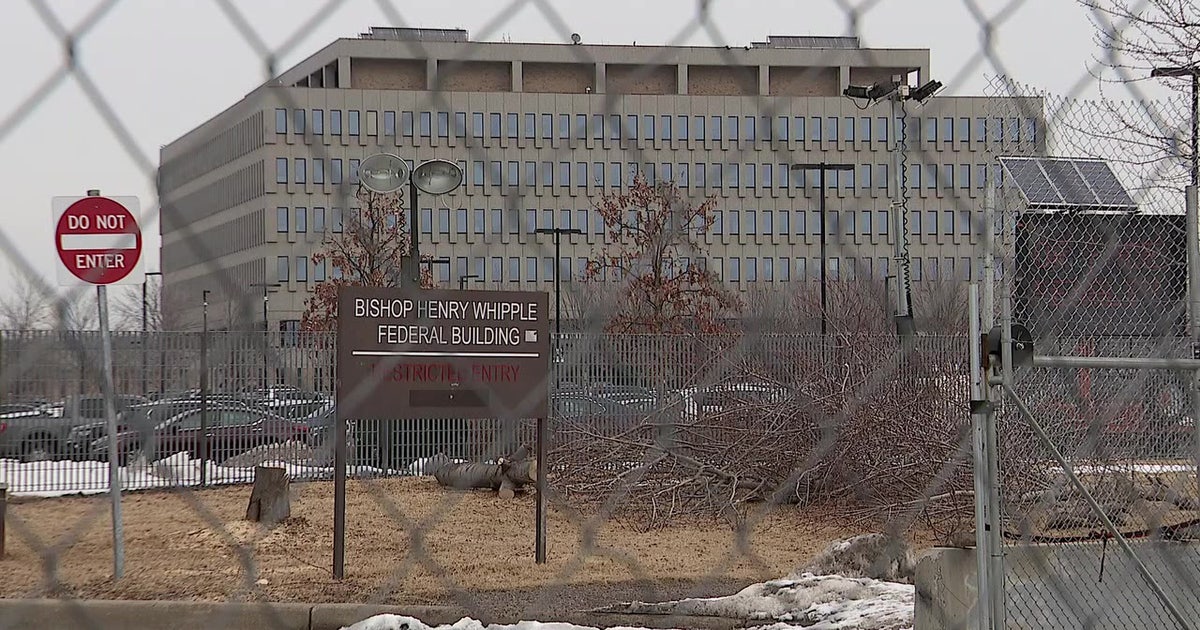
Federal authorities, including the FBI and the Department of Justice (DOJ), have initiated an investigation into an alleged assault on a journalist during an anti-ICE protest outside the Whipple Federal Building in Minneapolis. The incident, which occurred on Saturday, involved Savanah Hernandez, a contributor for Turning Point USA, a prominent conservative advocacy organization. The federal investigation, confirmed by the DOJ’s Civil Rights Division, highlights the escalating political and media sensitivity surrounding public demonstrations and the safety of journalists in polarized environments.
The decision by federal authorities to intervene in an incident initially handled by local law enforcement underscores the broader implications of politically motivated violence. The Hennepin County Sheriff’s Office confirmed four arrests related to the demonstration, with three individuals specifically facing charges connected to the assault of both a journalist and a deputy. The dual-track investigation, involving both state and federal agencies, suggests that the incident is being treated as potentially more than a simple public order disruption, raising questions about whether federal civil rights laws or hate crime statutes were violated.
The Strategic Context of Federal Intervention and Advocacy Journalism
The prompt opening of a federal investigation by the DOJ into an alleged assault on a journalist, particularly one associated with a prominent conservative organization like Turning Point USA, signals a significant shift in how such incidents are prioritized. While local authorities typically handle misdemeanor or felony assault charges, federal involvement often indicates potential civil rights violations or a perceived need for a higher level of scrutiny, especially when the alleged victim is engaged in journalistic activity. The involvement of the Assistant Attorney General for Civil Rights emphasizes a heightened focus on protecting journalists, particularly those whose political alignment makes them potential targets in polarized environments.
This incident highlights the complex and often contentious role of advocacy journalism in contemporary media landscapes. Savanah Hernandez’s affiliation with Turning Point USA positions her reporting within a specific political framework, distinct from traditional non-partisan journalism. The distinction between reporting and activism becomes particularly relevant in highly polarized environments like the anti-ICE protest. Protesters may perceive individuals associated with opposing political groups as adversaries rather than neutral observers. The incident’s framing by both Hernandez and Turning Point USA immediately positioned it within a broader narrative of political persecution, leveraging the event to reinforce the organization’s core message and mobilize its base, transforming a legal matter into a political rallying point.
Legal Dynamics and Narrative Control
The arrests made by the Hennepin County Sheriff’s Office illustrate the operational complexities of managing large-scale, politically charged protests. The charges filed by local authorities—assault on a journalist and assault on a deputy—underscore the volatility of the situation and the physical risks involved. The legal process for these individuals will likely involve navigating both state and potential federal charges, depending on the outcome of the DOJ investigation. The involvement of federal authorities adds another layer of complexity, as federal prosecutors may pursue charges under different statutes than state prosecutors, potentially focusing on interference with a person’s civil rights while engaged in protected activities like reporting.
The source highlights that videos posted by Hernandez documented the incident, showing protesters initially yelling and blowing whistles before the alleged physical assault. This reliance on video evidence, particularly from the perspective of the alleged victim, plays a critical role in shaping public perception and influencing the legal process. The dissemination of this video evidence allows Turning Point USA to control the narrative, presenting a clear visual account of the alleged aggression against their contributor. This strategic communication approach leverages social media platforms to accelerate the public and political response, reinforcing the organization’s political message and creating a strong public narrative prior to full legal proceedings.
Broader Implications for Media Safety and Political Discourse
The incident in Minneapolis serves as a microcosm of broader trends in media safety and political polarization across the United States. The increasing frequency of confrontations between protesters and journalists, particularly those perceived as ideologically opposed, raises significant concerns about the ability of reporters to cover events safely and impartially. The alleged assault on Hernandez, regardless of her organizational affiliation, highlights the physical risks associated with reporting on highly contentious issues in public spaces.
The involvement of the Justice Department, particularly through the Assistant Attorney General for Civil Rights, suggests a strategic effort to address violence against journalists as a civil rights issue. This approach elevates the protection of media figures to a matter of federal concern, potentially influencing future policy decisions regarding protest management and law enforcement training. The outcome of the federal investigation will likely shape the legal precedent for how similar incidents are handled in the future, impacting both media organizations and advocacy groups operating in politically charged environments.