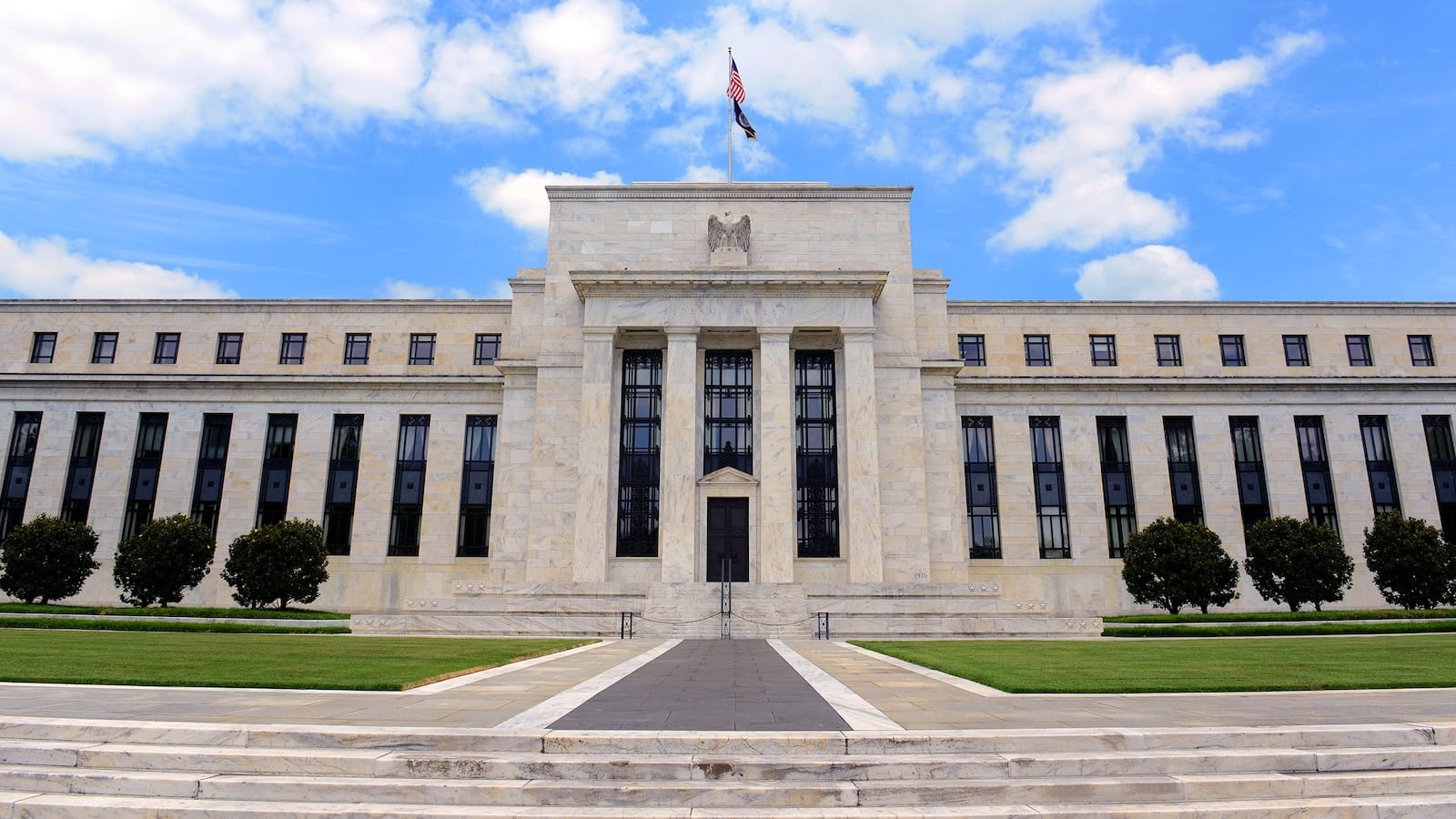
In the quiet hum of Washington D.C., away from the daily political maelstrom, a significant economic decision point looms. The Federal Reserve, the powerful central bank guiding the world’s largest economy, is convening this week, and while the meeting offers little in the way of high-stakes drama for immediate action, its broader implications ripple across global markets and Main Street alike. The prevailing sentiment is one of calm certainty: the Fed is expected to maintain its current interest rates.
Steady Hand on the Tiller: A Predictable Outcome
On Wednesday, the Federal Reserve is set to announce its latest decision on interest rates, a move largely anticipated by market watchers. Experts and investors have coalesced around the expectation that policymakers will opt to hold rates steady. This decision comes as the central bank carefully weighs the state of the labor market and inflation, two critical pillars of its dual mandate.
This week’s meeting, judging by market expectations, is not likely to produce a dramatic shift in monetary policy. Instead, it underscores a period of watchful waiting by the Fed. Following a series of rate hikes designed to normalize policy after years of ultra-low rates, the central bank has entered a phase of assessment, allowing previous adjustments to work their way through the economy.
Navigating Economic Headwinds and Tailwinds
The decision to hold rates steady reflects the Fed’s current assessment of the U.S. economic landscape. The labor market, a consistent bright spot, continues to show resilience with robust job creation and historically low unemployment rates. This strength provides a solid foundation for consumer spending, a key driver of economic growth. Wage growth, while present, has been moderate enough not to trigger widespread inflationary concerns.
On the inflation front, the picture remains largely benign. Despite periods of fluctuation, inflation has generally hovered around the Fed’s long-term target of 2%. This crucial stability allows policymakers the breathing room to avoid hasty decisions. Should inflation show signs of accelerating beyond sustainable levels, the Fed would typically consider rate hikes. Conversely, a significant and persistent undershoot of the target might prompt discussions of rate cuts to stimulate demand.
Global economic conditions also play a significant, albeit indirect, role in the Fed’s deliberations. Ongoing trade tensions, particularly between the United States and major trading partners, have introduced an element of uncertainty into global growth projections. A slowdown in key international economies could eventually spill over into the U.S. through reduced export demand or dampened business confidence, making a cautious, steady approach to monetary policy appealing.
Defying Pressure: The Fed’s Independence Under Scrutiny
Perhaps as significant as the rate decision itself is the context in which it occurs: a backdrop of explicit political pressure from the White House. President Donald Trump has repeatedly and publicly urged the Federal Reserve to significantly lower interest rates, arguing that higher rates are stifling economic growth and weakening the U.S. competitive edge.
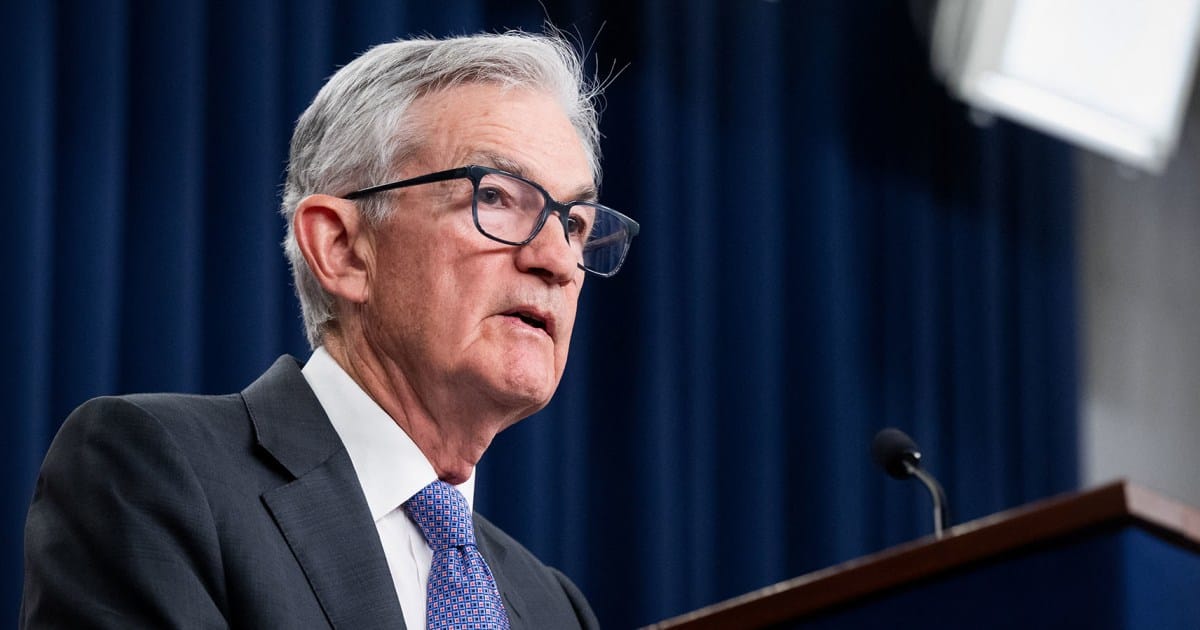
This vocal intervention has put Federal Reserve Chairman Jerome Powell’s leadership and the central bank’s cherished independence firmly in the spotlight. Powell has consistently maintained a ‘hard line’ on White House interest rate pressure, emphasizing that the Fed’s decisions are based solely on economic data and its dual mandate, not political expediency. This stance is critical for maintaining market confidence and the institutional integrity of the Fed.
The Bedrock of Central Bank Autonomy
The independence of central banks is a cornerstone of modern economic governance. It is widely believed that monetary policy decisions, when insulated from short-term political cycles, lead to more stable prices and sustainable economic growth over the long run. When central banks are perceived to be swayed by political agendas, their credibility can erode, leading to market volatility and inflationary expectations.
Historically, presidents have largely respected the Fed’s autonomy, understanding that even if they disagreed with specific policy choices, undermining the institution could have far graver consequences. Trump’s deviation from this norm has sparked debate among economists and policymakers about the potential long-term damage to the Fed’s reputation and effectiveness, highlighting Powell’s pivotal role in defending the institution.
Understanding the Fed’s Toolkit: Beyond Interest Rates
While the federal funds rate – the target rate for overnight lending between banks – is the most visible tool in the Fed’s arsenal, its influence extends far beyond this single number. Changes in the federal funds rate ripple through the financial system, affecting borrowing costs for consumers (mortgages, credit cards), businesses (loans for expansion, investment), and even the broader stock and bond markets.
Beyond interest rates, the Federal Reserve also employs other powerful instruments. Quantitative easing (QE) and quantitative tightening (QT), for example, involve the buying and selling of government bonds and other securities to influence the money supply and long-term interest rates. During the financial crisis and its aftermath, large-scale asset purchases (QE) were used to inject liquidity into the economy and stimulate growth when conventional interest rates were already at zero.
Another crucial tool is forward guidance, where the Fed communicates its outlook for the economy and its future policy intentions. This transparency helps to manage market expectations and can influence long-term interest rates even without immediate changes to the federal funds rate. The language used in the post-meeting statement and during Chairman Powell’s press conference is meticulously analyzed by economists and investors for clues about the Fed’s future direction.
Massive Changes Looming: The Fed’s Longer-Term Direction
Even with little immediate action expected, the input data suggests that ‘massive changes loom over the central bank’s longer-term direction.’ This hints at the ongoing internal review and public debate about the fundamental framework of U.S. monetary policy. The world has changed significantly since the Fed last formally reviewed its operating framework, particularly with the persistence of low global interest rates and the challenge of achieving the 2% inflation target consistently.
One key area of discussion is the potential adoption of an ‘average inflation targeting’ approach. Instead of simply aiming for 2% inflation at any given time, the Fed might commit to achieving 2% on average over a longer period. This would allow for inflation to run moderately above 2% after periods of undershooting the target, aiming to anchor inflation expectations more firmly and give the Fed more room to maneuver in future downturns.
Furthermore, policymakers are grappling with how to effectively stimulate the economy when interest rates are already very low, leaving little conventional ammunition for the next recession. This includes exploring the effectiveness and potential side effects of negative interest rates, expanded asset purchases, and other unconventional tools. The long-term direction of the Fed’s balance sheet, its role in financial stability, and how it communicates policy in an increasingly complex and interconnected world are all subjects of intense scrutiny and potential evolution.
Implications of a Steady Path
For businesses and consumers, a steady interest rate environment offers predictability. Businesses can plan investments with greater certainty about their borrowing costs. Homebuyers and those with variable-rate debt, such as certain credit cards or adjustable-rate mortgages, will see their payments remain stable, at least in the short term. This stability can foster continued economic activity, even if it doesn’t provide the boost that lower rates might.
Financial markets generally welcome predictability. A ‘no change’ decision by the Fed, especially when widely anticipated, often leads to a relatively calm market reaction. Investors have already factored in this outcome, allowing them to focus on corporate earnings, geopolitical developments, and other economic data points for future guidance. However, any unexpected deviation from this path, or subtle shifts in the Fed’s forward guidance, could trigger significant market movements.
In the broader economic context, the Federal Reserve’s unwavering focus on its dual mandate — maximum employment and price stability — remains paramount. Its independence is not merely a bureaucratic ideal but a practical necessity for sound economic management, especially in an era marked by rapid global shifts and persistent political pressures.
The enduring lesson from this period is that while the immediate path for interest rates may seem clear, the Federal Reserve’s true strength lies in its commitment to long-term stability and its capacity to adapt its fundamental strategies to navigate an ever-evolving global economic landscape.