Legal Charges and Arrest Details
Former University of Georgia defensive lineman Xzavier McLeod was arrested on Wednesday afternoon by the Athens-Clarke County Sheriff’s Office. According to jail records, McLeod faces a misdemeanor charge of criminal trespass involving property damage and a family violence designation. He was booked at 3:57 p.m. and released the following Thursday after posting a nominal $9 bond. While the financial penalty is low, the legal classification of the incident carries specific institutional and procedural weight.
The Timeline: From Retirement Statement to Booking
The arrest occurred within a narrow window following McLeod’s public announcement of his departure from the Georgia football program. On the same day as his booking, McLeod posted to Instagram, citing a decision to prioritize his personal well-being and faith. The proximity of the legal incident to his stated voluntary exit creates a complex narrative for the program, as it suggests an escalation of personal or legal circumstances coinciding with his professional transition away from collegiate athletics.
Strategic Impact on UGA Defensive Depth
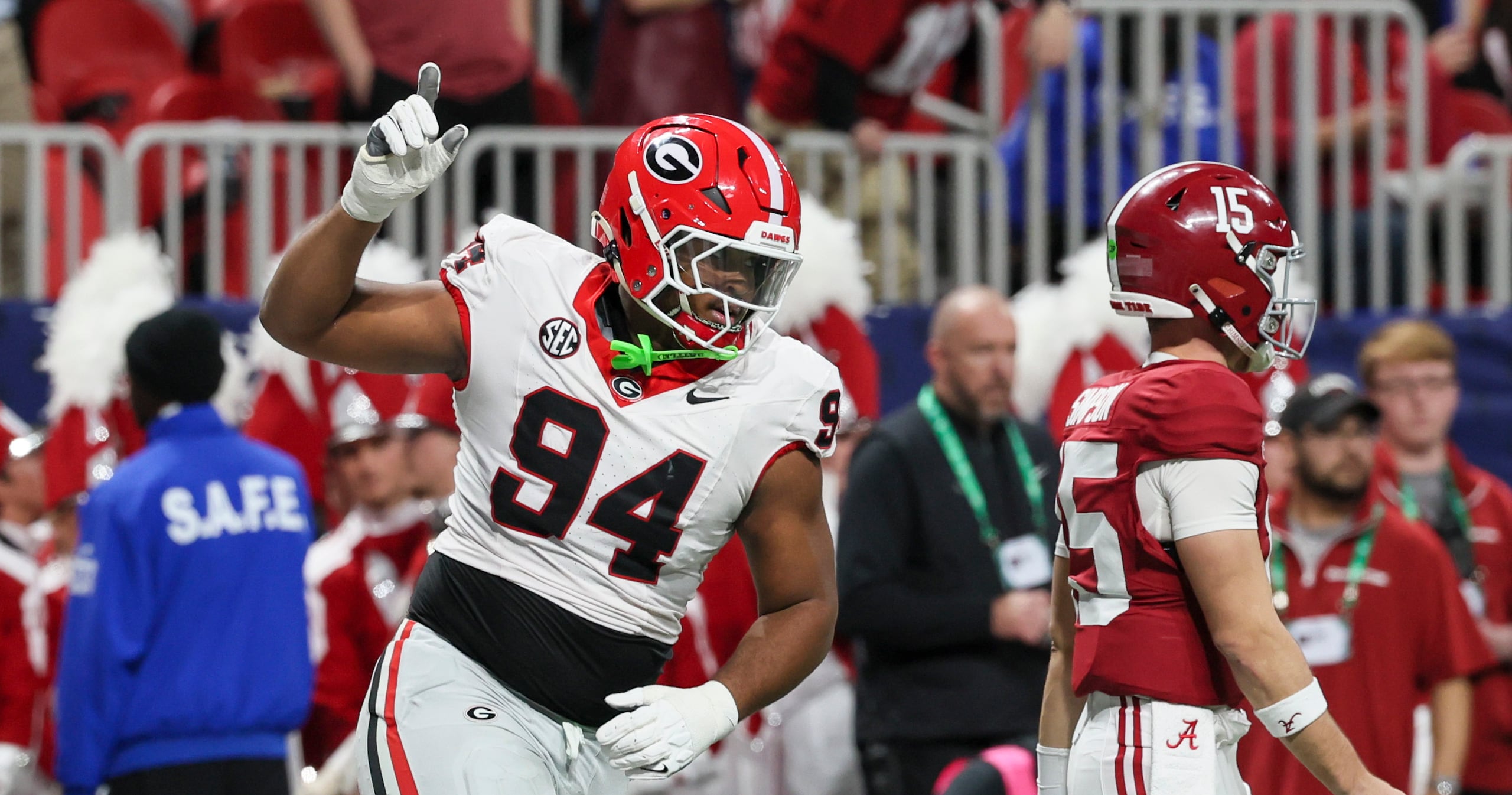
McLeod’s departure removes a rotational asset from the Bulldogs’ defensive front. Having played 25 games across his career at South Carolina and Georgia, his absence forces a recalibration of the defensive line rotation. For Kirby Smart’s program, the loss of a veteran transfer necessitates the rapid development of younger recruits to maintain the defensive unit’s efficiency. Beyond the field, the incident requires the athletic department to activate crisis management protocols to address the intersection of player welfare and legal accountability.
Institutional and PR Implications
The University of Georgia athletic department faces heightened scrutiny regarding player conduct and support systems. The ‘family violence’ modifier on the trespass charge typically triggers specific university-wide Title IX or student conduct reviews, regardless of the player’s current status on the team. This event underscores the volatility of roster management in the modern era, where personal decisions, legal issues, and public relations are inextricably linked. The program’s response will serve as a benchmark for how it balances individual support with the reputational integrity of a high-profile NCAA program.