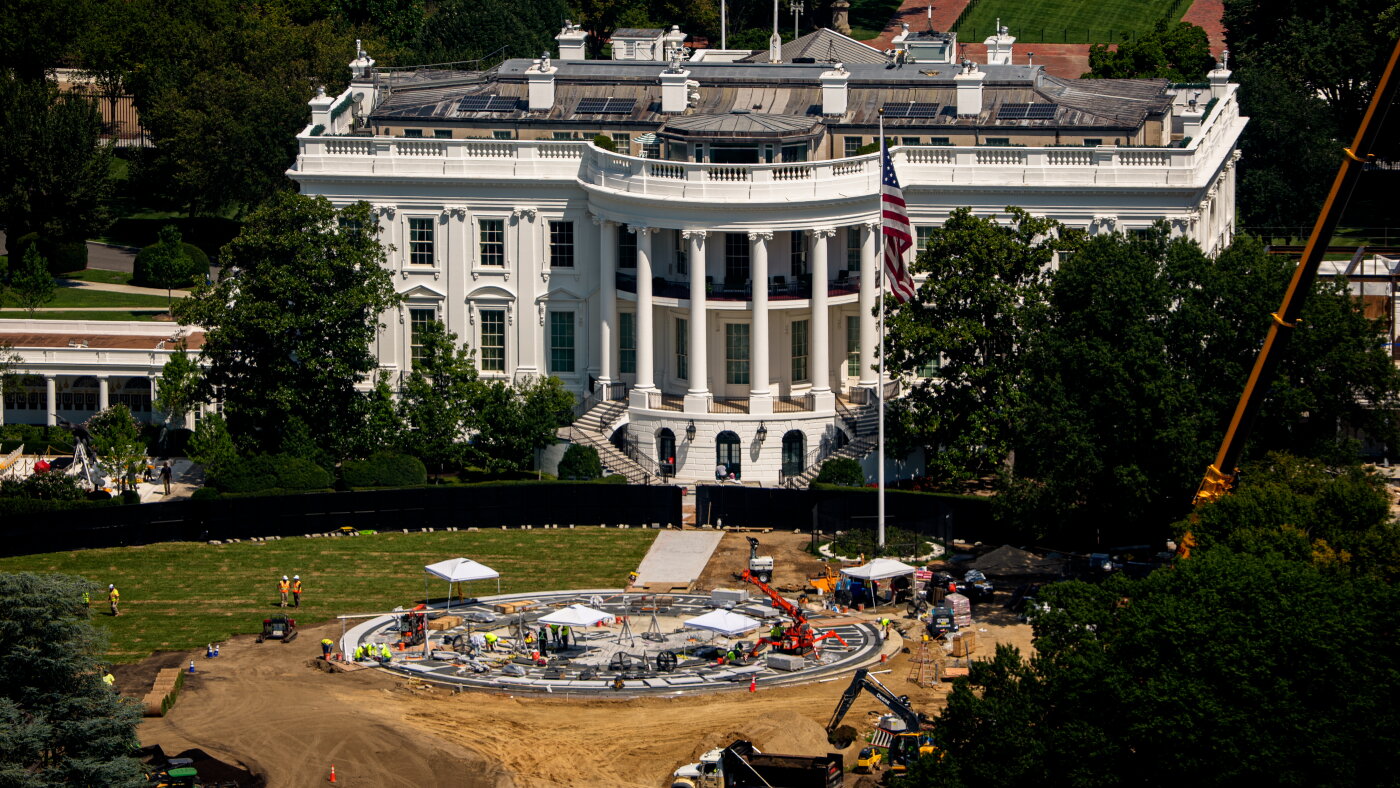
The Supreme Court of the United States has denied a request to halt the construction of a $300 million ballroom at the White House, permitting the immediate demolition of sections of the East Wing. This procedural victory for the executive branch hinges on the doctrine of standing, as the court ruled the National Trust for Historic Preservation failed to demonstrate the concrete, individualized injury required for Article III litigation.
By prioritizing procedural gatekeeping over the merits of historic preservation, the majority opinion establishes a high threshold for non-governmental actors challenging executive-led modifications to federal landmarks. This approach effectively shields unilateral executive infrastructure decisions from judicial oversight unless plaintiffs can satisfy a narrow definition of harm—a precedent that may significantly impact future heritage litigation.
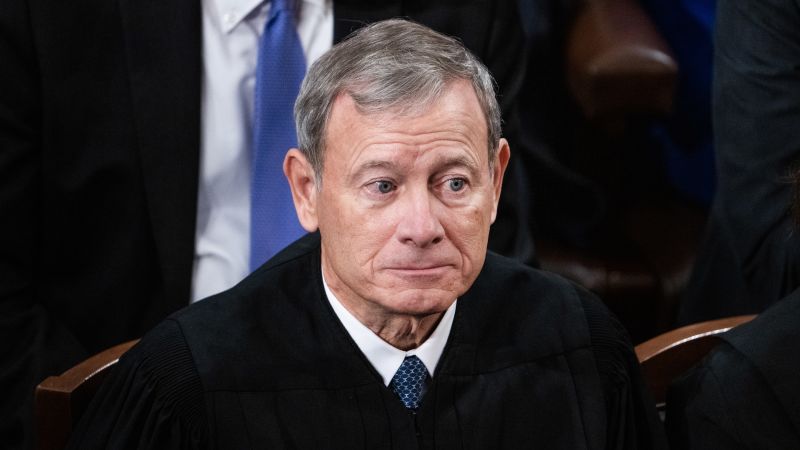
In a notable departure from the conservative majority, Chief Justice John Roberts issued a six-page dissent joined by the court’s three liberal justices. Roberts, typically a proponent of robust executive immunity, argued that the unique character of the White House transcends the temporary tenure of any single administration. Invoking Theodore Roosevelt and Winston Churchill, he posited that the physical environment of the presidency is foundational to the institutional character of the office itself.
The Chief Justice’s dissent highlights a philosophical tension between the functional requirements of the modern executive and the preservation of symbolic continuity. By referencing Churchill’s 1943 observation on how buildings shape their inhabitants, Roberts suggested that the irreversible removal of the East Wing’s original fabric constitutes an irreparable loss to the nation’s historical and institutional landscape.
Financial scrutiny remains a central pillar of the controversy. While the administration previously indicated the project would be privately funded, current projections suggest a $300 million burden on taxpayers. This pivot raises critical questions regarding the ‘Power of the Purse,’ as the project appears to bypass traditional congressional appropriations and legislative oversight of major capital expenditures on federal property.
The Court’s refusal to intervene creates a ‘facts on the ground’ scenario, where the physical structure may be entirely transformed before the underlying legal merits are ever adjudicated. This strategy of accelerated development provides the executive branch with significant leverage, as the restoration of demolished historic sites is frequently a logistical and financial impossibility.
The ruling coincides with heightened administrative volatility, including the resignation of the Army Secretary during the G20 Summit in North Carolina. While the source does not confirm a causal link, the departure of the civilian head of the department often responsible for high-level federal engineering projects introduces a layer of operational uncertainty during a period of significant architectural transition at the White House.
Ultimately, the decision underscores a growing rift within the judiciary regarding the limits of executive discretion. While the administration has secured a path forward for its $300 million vision, the dissent from the Chief Justice ensures that the project will remain a contentious symbol of the struggle between modern executive ambition and the mandate to preserve national heritage.