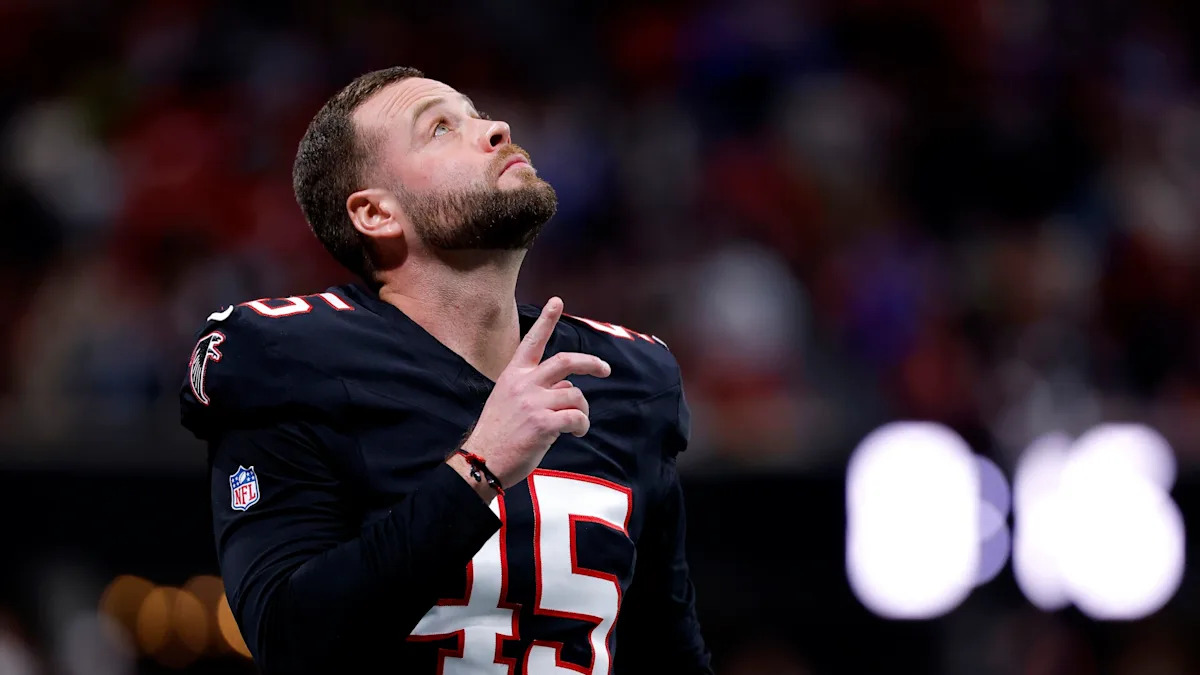
The Miami Dolphins have finalized the acquisition of veteran kicker Zane Gonzalez on a one-year contract, executing a decisive personnel maneuver early in free agency.
Strategic Roster Recalibration and Cap Efficiency
This signing directly addresses the roster void created by the preceding release of Jason Sanders, a move that reportedly yielded $3.9 million in immediate salary cap relief. The organization prioritized cost-effective replacement while maintaining positional competency.
Gonzalez, entering his eighth professional season, offers an established, albeit short-term, solution. His career field goal accuracy stands at 81%, and he demonstrated high efficiency with the Atlanta Falcons last season, connecting on 19 of 22 attempts across nine games.
Leveraging Institutional Memory: The Tabor Connection
The signing carries significant weight due to the pre-existing professional rapport between Gonzalez and new Dolphins Special Teams Coordinator Chris Tabor. Tabor coached Gonzalez during his rookie year (2017 Browns) and later with the Panthers.
This reunion suggests the Dolphins front office valued immediate integration and familiarity over a potentially longer, disruptive external search process for a critical specialist role.
Injury History and Risk Mitigation via Contract Structure
Gonzalez’s career profile includes significant lower-body injury layoffs, specifically missing the entire 2022 season (groin) and 2023 season (quadriceps). The one-year contract inherently acknowledges this performance risk profile.
Confirmation of the deal via agent Mike McCartney indicates a low-commitment, high-flexibility approach by the Dolphins, hedging against injury recurrence while securing immediate depth. The short term preserves future cap flexibility.
Market Dynamics and Specialist Valuation
The speed of the acquisition following the Sanders release suggests that the market for reliable, experienced kickers was either saturated or highly contested. Proven competence, even with injury caveats, drives rapid transactions for specialists.
Gonzalez’s pattern of short-to-medium-term engagements across multiple franchises (Browns, Cardinals, Panthers, Falcons, brief 2024 stint with Washington) reflects the competitive volatility inherent in specialist employment viability.
Performance Benchmarks and Analytical Justification
The analytical justification for this signing leans on the contrast between his career 81% accuracy and his recent high-volume success in Atlanta (19/22). The Dolphins anticipate that the continuity with Tabor will foster a return to this higher efficiency, mitigating the slight drop seen during his short 2024 Washington tenure (5/7).
The focus on institutional memory over purely objective, external statistical comparisons highlights coaching influence in immediate personnel needs. Tabor’s established work habits with Gonzalez act as an internal quality control mechanism.
Long-Term Strategy Implications
The one-year commitment functions as a bridge solution, allowing the Dolphins to maintain competitive parity while potentially evaluating higher-tier assets or younger prospects in subsequent free agency cycles. This preserves capital allocation options for the future.
The success of this tenure directly dictates the capital strategy for the kicking position in future offseasons, contingent on sustained performance and health integrity.