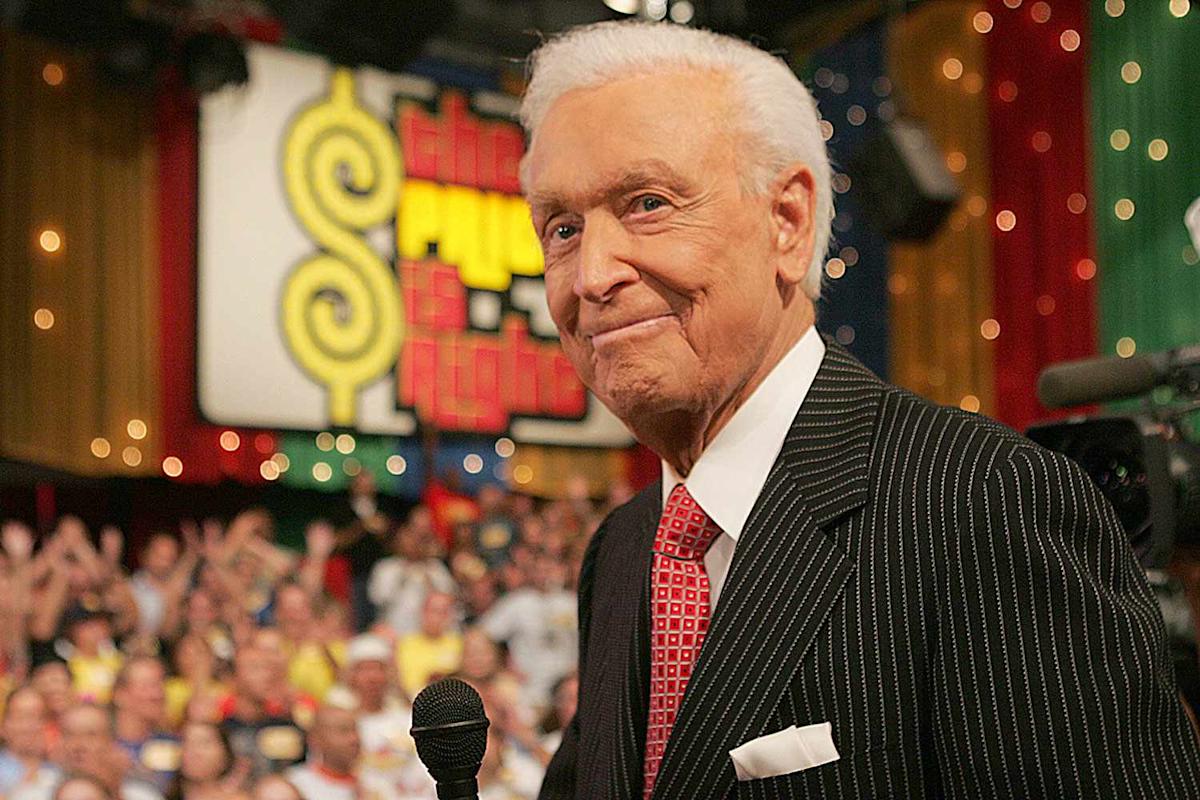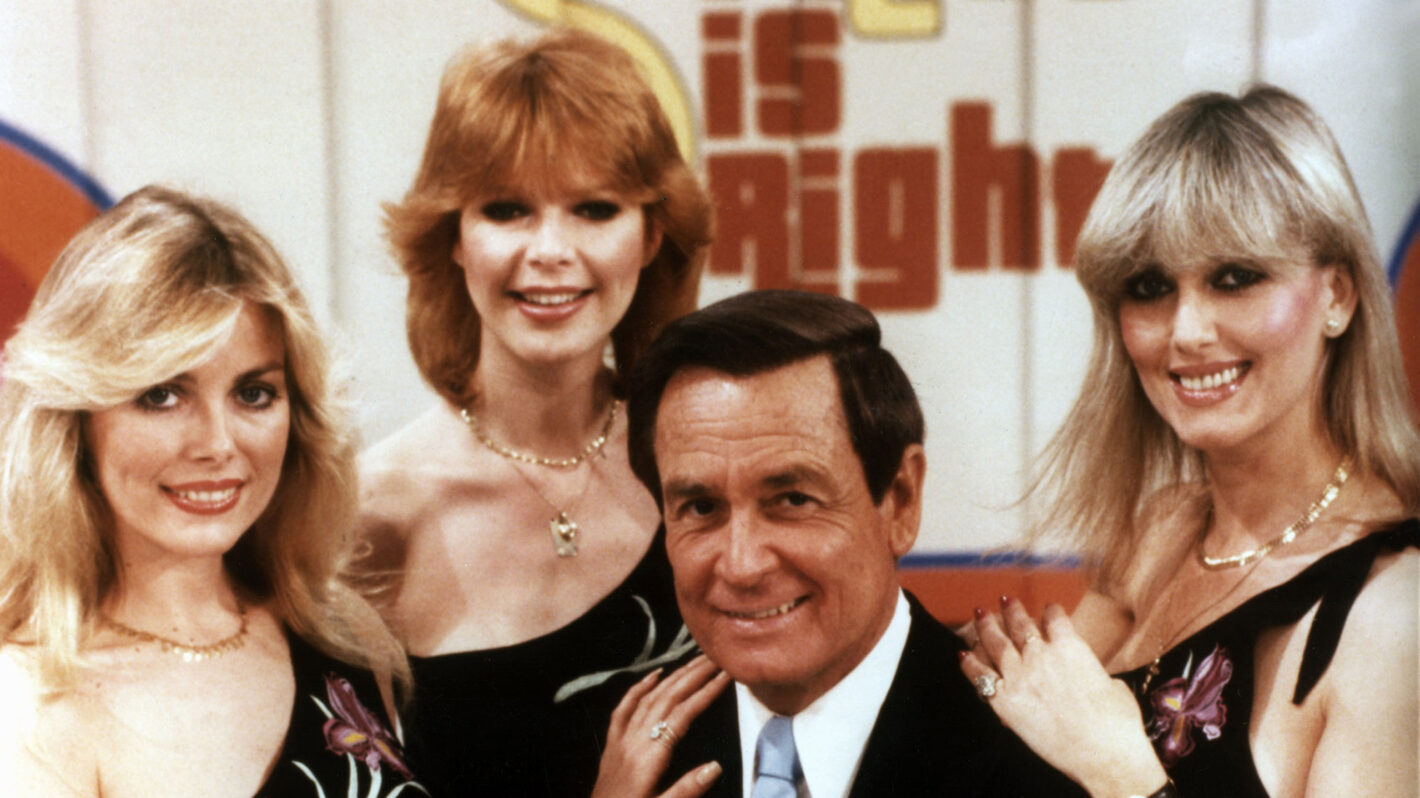
The E! docuseries Dirty Rotten Scandals, debuting with dual episodes, forces critical reappraisal of the operational environment during Bob Barker’s 35-year leadership of The Price Is Right (ending 2007), focusing sharply on allegations of systemic sexual harassment and discrimination.
Degradation of Collegial Dynamics
Testimony from former models, notably Kathleen Bradley and Holly Hallstrom, highlights a critical inflection point where initial professional collegiality eroded. Bradley reported an evolution in male staff conduct, characterized by overt “gawking” directed at models, suggesting a normalization of objectification that contradicted the show’s public facade.
This shift implies a significant failure in supervisory intervention, allowing increasingly unprofessional interactions to become embedded within the production hierarchy.
Institutional Awareness and Risk Exposure
Former producer Barbara Hunter’s accounts suggest that these behavioral issues transcended the models, achieving “common knowledge” status among the wider crew. Hunter noted that avoidance of specific individuals became a required coping mechanism, pointing toward widespread tacit acceptance—or institutional awareness—of underlying toxicity that management failed to formally address.
This documented environment places significant reputational and legal risk on stakeholders CBS and FremantleMedia, indicating a decades-long systemic failure to enforce codified workplace conduct standards.
The Cost of Challenging Power Structures
Holly Hallstrom’s extended litigation against Barker serves as a case study illustrating the high personal overhead associated with challenging established on-set power dynamics. Her description of the legal process as simultaneously cathartic and arduous underscores the severe asymmetry between individual complainants and institutional entities.
The protracted nature of such litigation suggests that internal grievance mechanisms were either functionally ineffective or actively resisted resolution, compelling complainants into the public legal domain.
Barker as the Cultural Nexus
The allegations position Bob Barker, the program’s central brand embodiment, at the nexus of the alleged hostile culture. This raises crucial questions regarding the extent of his direct involvement versus his ultimate accountability for the environment surrounding his direct reports, the so-called “Barker’s Beauties.”
The juxtaposition of Barker’s national “treasured figure” status against the reported operational reality highlights a core vulnerability: the dissonance between a vetted public persona and unchecked internal conduct accountability.
Legacy Liabilities and Industry Transition
Barker’s tenure concluding in 2007 places these incidents squarely in a transitional era for entertainment labor standards, preceding the modern tightening of HR enforcement frameworks. The evidence suggests operational incentives prioritized ratings continuity over equitable labor practices, a common dynamic when talent longevity grants unchecked authority.
For contemporary production bodies, this history acts as a potent liability forecast, demonstrating how conduct tolerated under prior cultural norms resurfaces to devalue current brand equity.
Documentary as Delayed Accountability Mechanism
Former personnel leveraging the documentary format exploit the current media ecosystem to force a reckoning that past legal or internal channels suppressed. The format transforms suppressed individual grievances into scalable, widely disseminated public data points.
This public airing compels network and production leadership to address the historical record, influencing future talent acquisition protocols and corporate governance mandates across the industry.
Structural Inertia and Cultural Lag
The reported normalization of misconduct signifies a profound cultural lag within the production unit. The authority vested in the host and long-term producers appears to have forged an insulated ecosystem resistant to standard corporate oversight checks.
The difficulty faced by newer personnel in navigating this entrenched culture illustrates the challenge of imposing modern standards where the existing power structure dictates the acceptable baseline for professional interaction.
Reputational Devaluation of Historical Capital
The detailed accounts, emerging years later, confirm that reputational capital is susceptible to retroactive devaluation, irrespective of time elapsed. For entities like CBS, managing this historical narrative directly impacts current market valuation and investor confidence regarding ethical governance across their content portfolio.
The documentary serves as an unsanctioned external audit of past operational negligence, forcing current stakeholders to quantify and mitigate the residual risk tethered to historical labor disputes.
Linguistic Markers of Objectification
The nomenclature “Bob’s Beauties” is more than descriptive; it functions as a linguistic marker reinforcing the aesthetic framing of female employees relative to the host’s authority. This ingrained terminology likely facilitated the reported tolerance for objectifying behavior like “gawking.”
The persistence of this specific branding in recollections highlights how seemingly innocuous internal language can codify and legitimize discriminatory workplace stratification over extended operational periods.
Risk/Reward Calculation for Disclosure
The collective decision by multiple former staff to disclose now signals a decisive shift in the perceived risk/reward calculation, driven by evolving societal expectations regarding workplace equity. The incentive shifts from professional self-preservation toward validation and contribution to a corrective narrative.
Conversely, stakeholders like the network must pivot their strategy from containment toward active mitigation of liability arising from these reactivated historical claims.
Vulnerability of Host-Centric Production Models
The Price Is Right serves as a critical example of the structural fragility in production models over-reliant on the singular authority of a long-tenured figure, where the individual’s brand supersedes enterprise governance integrity.
Such centralization frequently establishes a parallel cultural enforcement structure bypassing formal HR mandates. The resultant need for documentary intervention confirms the failure of institutional mechanisms to adequately check the influence of the central figure across three decades.
Analyzing Producer Complicity
Producer Barbara Hunter’s perspective is crucial as producers translate network mandates into daily reality. Her testimony about pervasive behavior indicates a breakdown at the managerial implementation level, potentially stemming from deference to the host’s status or lack of HR backing for necessary disciplinary action.
This identifies a structural failure where talent hierarchy routinely superseded corporate compliance protocols, solidifying detrimental cultural norms unchallenged throughout production cycles.