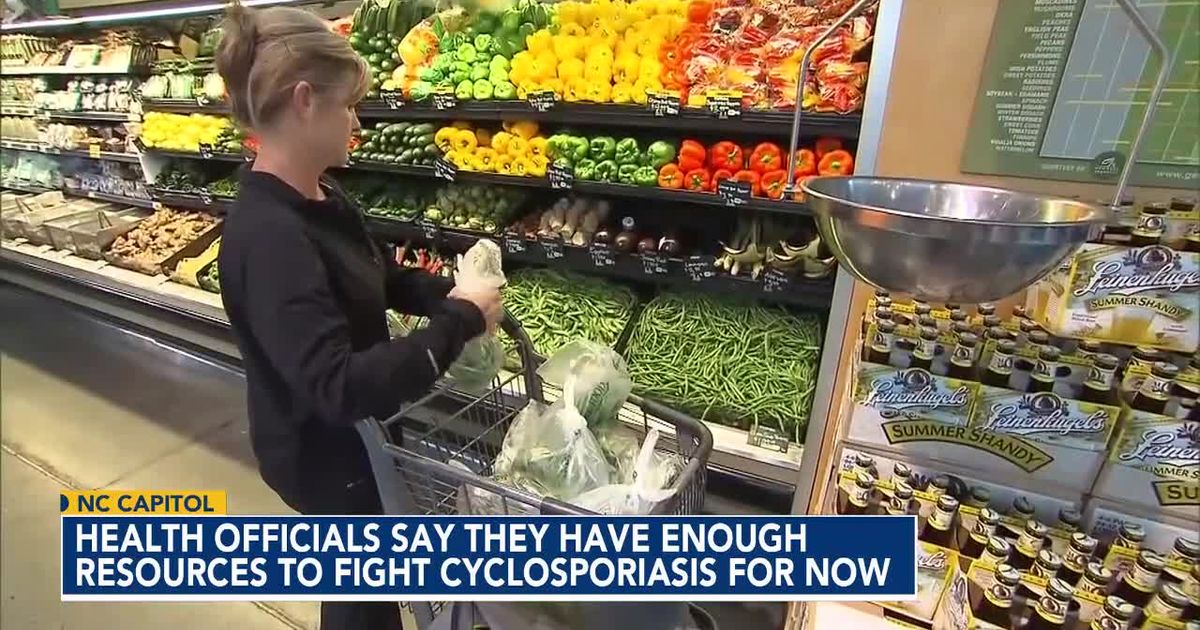
The Escalation of Cyclospora Infections
An alarming surge in cyclosporiasis—an intestinal illness caused by Cyclospora cayetanensis—has surfaced across Michigan and Ohio, with cumulative case counts exceeding 3,000. Public health investigations are currently prioritizing lettuce and salad greens as primary vectors, though definitive genomic attribution to a specific supplier or grower remains elusive. The difficulty in tracing this outbreak underscores the logistical hurdles inherent in modern epidemiological analysis when dealing with high-turnover produce.
Regional Impact and Clinical Severity
Data indicates significant clinical strain: Michigan has recorded 2,640 cases with 44 hospitalizations, while Ohio reports 361 cases and 46 hospitalizations since June 1. Nationally, the CDC notes that as of July 10, cases span 31 states. While the agency continues to investigate whether these disparate clusters originate from a single contaminated supply chain, current counts represent a statistically significant increase compared to 2025 benchmarks.
Systemic Vulnerabilities in Disease Surveillance
The outbreak highlights a degradation in U.S. public health infrastructure. As federal agencies pivot their budgetary focus, the capacity for real-time, granular investigation into foodborne pathogens has been constrained. Specifically, the reduction in surveillance scope via the Foodborne Diseases Active Surveillance Network (FoodNet) has diminished the efficacy of early detection and rapid-response protocols.
Operational Constraints and Resource Allocation
In states like North Carolina, the absence of a confirmed source among 240+ cases illustrates the challenges of localized containment. Without robust federal coordination, state-level departments are forced to pivot from proactive monitoring to reactive, resource-intensive damage control. This budgetary shift compromises the speed at which the agricultural supply chain can be audited, increasing the likelihood of pathogen persistence.
Market Risks and Regulatory Tensions
The agricultural sector faces severe economic risk during these outbreaks. Because Cyclospora is linked to short-shelf-life perishables, the inability to isolate a specific point of contamination often results in widespread, precautionary market withdrawals. This lack of diagnostic precision forces retailers and producers to absorb massive financial losses while creating significant supply chain volatility.
Data Discrepancies and Public Trust
A notable tension exists between the CDC’s national count of 843 confirmed cases and the significantly higher state-level data. This reporting lag complicates risk assessment for industry stakeholders and confuses public safety messaging. Effectively managing these outbreaks requires a reconciliation of state-reported figures with federal verification standards to ensure transparent, actionable health guidance.
Future Implications for Food Safety
This crisis serves as a case study for the risks posed by increasingly complex, globalized supply chains. As public health oversight shifts away from centralized federal management toward state and private-industry verification, the onus for safety compliance is being redistributed. Long-term mitigation requires a data-driven approach that can sustain integrity and public trust despite fluctuations in federal funding and institutional support.