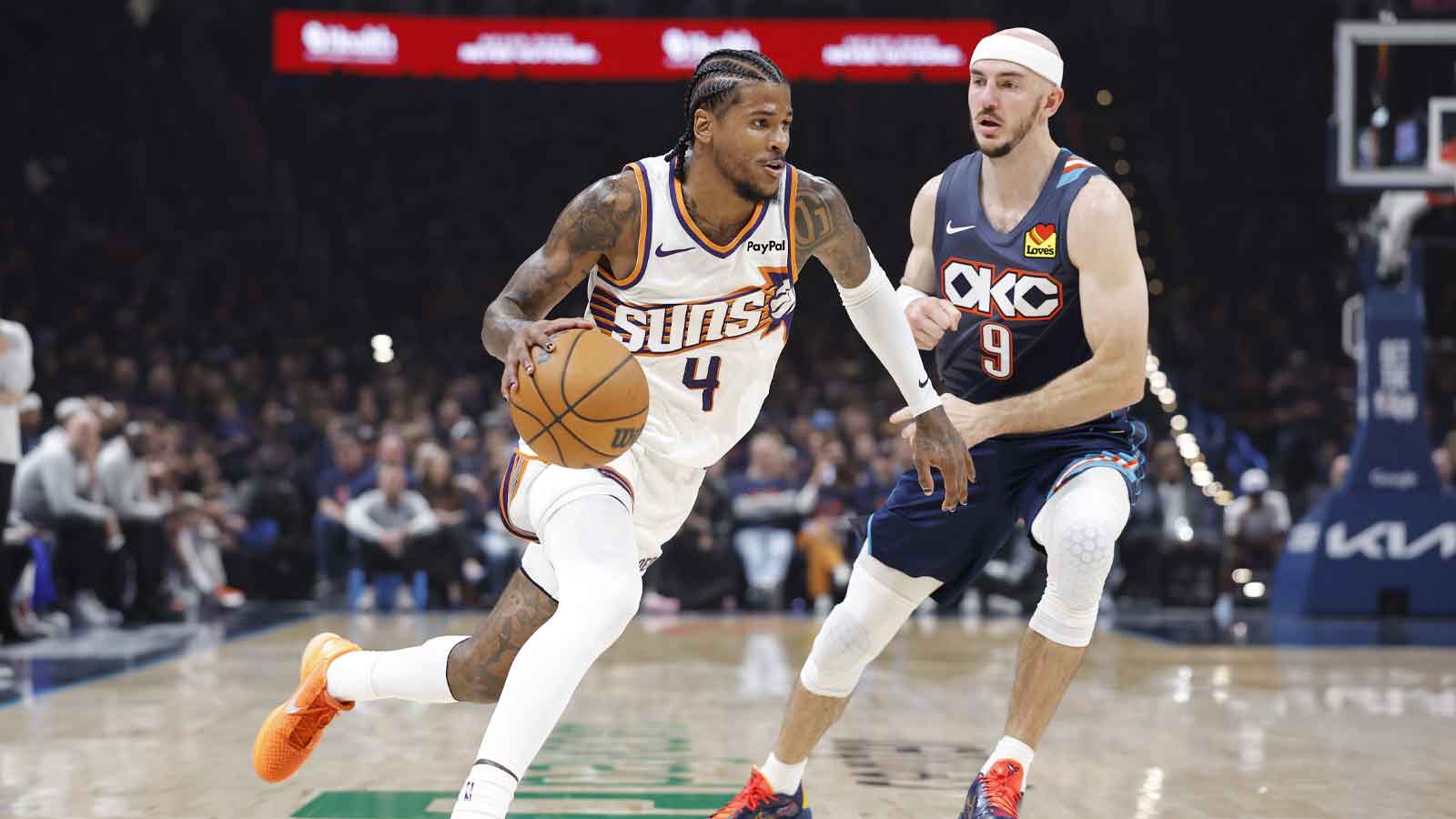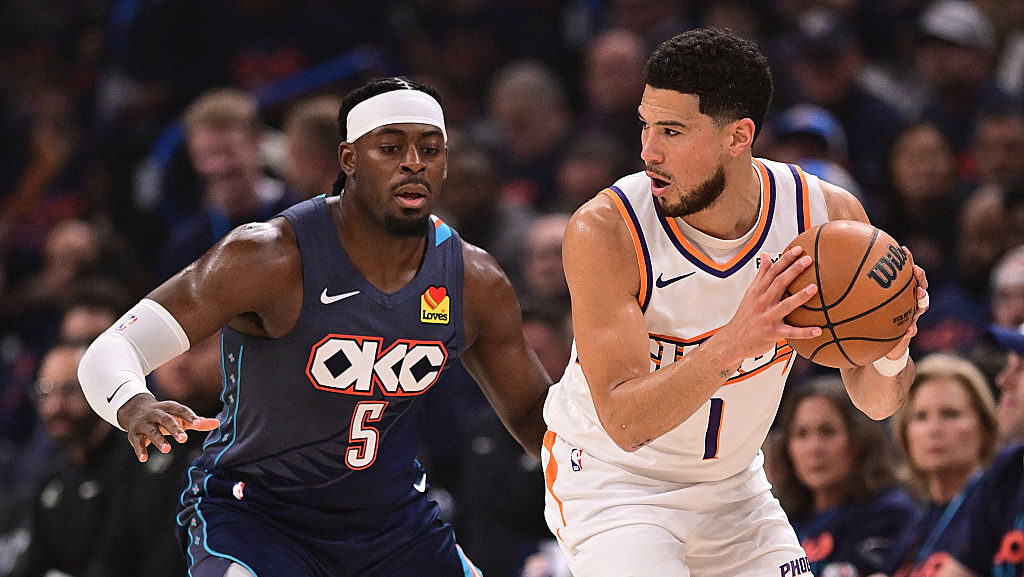
Event Catalyst: Booker’s Unprecedented Critique of NBA Officiating
Phoenix Suns star Devin Booker delivered an unprecedented public critique of NBA officiating following his team’s Game 2 loss to the Oklahoma City Thunder, explicitly naming referee James Williams. This direct challenge to an individual official’s performance marks a significant escalation in player-official dynamics, particularly within the high-pressure environment of playoff competition. Booker’s post-game comments, asserting he had not called out a referee by name in his 11-year career, underscore the perceived severity of the officiating and signal potential systemic concerns within the league’s operational framework for game management.
The Controversial Technical Foul: A Case Study in Subjectivity and Influence
The focal point of Booker’s frustration stemmed from a third-quarter sequence where he was initially fouled by Jaylin Williams while attempting to save a loose ball. Despite the initial foul call, which would have sent Booker to the free-throw line, officials engaged in a discussion that culminated in a technical foul being assessed against Booker instead. This reversal, which confused both Suns players and seasoned broadcasters, immediately fueled public skepticism regarding the transparency and fairness of in-game rulings.
A critical element of the controversy involves Oklahoma City Thunder guard Alex Caruso, who reportedly appeared to lobby the officiating crew for a technical foul on Booker. Booker explicitly referenced Caruso’s intervention, stating, “I heard (Alex) Caruso tell them to call the tech, and he ended up doing it.” This observation directly implicates the influence of player advocacy on officiating decisions, challenging the fundamental principle of objective adjudication. The perception that an official might be swayed by a player’s vocal appeal introduces a significant competitive and ethical dilemma, eroding trust among stakeholders regarding the integrity of game flow and outcome. Such incidents can inadvertently incentivize strategic lobbying, diverting focus from pure athletic competition.
Immediate Competitive & Psychological Ramifications
The technical foul against Booker served as a critical turning point, impacting the Suns’ composure and contributing to their struggles in Game 2. In a playoff series where every possession and psychological edge is magnified, such a contentious call can profoundly shift momentum and influence strategic adjustments. The Suns’ subsequent loss put them in a 2-0 deficit against the defending champion Thunder, intensifying scrutiny on officiating standards and potentially exacerbating existing team frustrations.
Systemic Implications: Governance, Accountability, and Player Agency
Booker’s public declaration, particularly his comparison of the situation to “WWE,” directly challenges the NBA’s carefully cultivated image of competitive integrity and professional sportsmanship. This necessitates a robust institutional response from the league to safeguard its brand and address concerns about the authenticity of its contests. The incident underscores the complex operational challenges in managing a roster of professional referees, who are expected to maintain impartiality, resist external pressures, and make instantaneous decisions under intense scrutiny.
The NBA faces a delicate balancing act: upholding the authority of its officials while also addressing legitimate concerns about consistency and accountability. Modern athletes, with their significant media platforms and influence, are increasingly willing to voice grievances, reflecting a broader trend of player empowerment that challenges traditional power structures. The league’s response will set a precedent for future player-official interactions, impacting its relationship with its most valuable assets and shaping perceptions of its regulatory framework.
Media Scrutiny and Digital Era Dynamics
The immediate and widespread reaction from commentators and social media platforms, amplified by rapid dissemination of video evidence and player reactions, demonstrates the powerful role of digital media in shaping public discourse around officiating. These platforms provide a real-time forum for scrutinizing and debating controversial calls, placing immense pressure on the league. In an era of pervasive digital media, the NBA’s narrative control is constantly tested, making its ability to manage public perception crucial for maintaining audience engagement and commercial appeal.
Long-Term Credibility, Economic Impact, and Future Considerations
While public criticism of officiating is a recurring pattern in professional sports, this incident represents an escalation due to its specificity and the accusation of player lobbying influencing a decision. Historically, the NBA has implemented measures like enhanced training and replay technology, yet high-profile controversies persist, highlighting the inherent challenges of human judgment under pressure.
Beyond immediate game outcomes, consistent and credible officiating is a cornerstone of the NBA’s commercial viability. Perceived biases or inconsistencies can impact viewership, fan loyalty, broadcast rights, and sponsorships. In a multi-billion dollar industry, the integrity of the competition directly correlates with its financial health and global market appeal. For teams, this extends to player recruitment and retention, influencing where talent seeks fair adjudication. For the league, maintaining a reputation for fair play is paramount for global expansion and its status as a premier sports entertainment product.
The controversy also reignites discussions about technology’s role in officiating. While extensive replay systems exist, the subjective nature of calls like technical fouls, particularly those influenced by perceived player lobbying, often falls outside objective technological intervention. This prompts a re-evaluation of how technology could further support consistent and impartial decision-making without disrupting game flow. Ultimately, incidents like this test the NBA’s fundamental credibility as a fair and well-governed league. The perception of systemic issues, especially those involving player influence or inconsistent rule application, can have corrosive long-term effects on the league’s reputation. The NBA’s strategic imperative is to ensure its product is perceived as authentic and competitive, free from undue external influence or internal bias, a commitment closely watched by all stakeholders globally.