The Intersection of Corporate Liability and Medical Oversight
The litigation following Michael Jackson’s death serves as a landmark study in the intersection of entertainment management and medical responsibility. The negligence claim filed by the Jackson estate against AEG Live LLC challenges the boundaries of a promoter’s duty of care when managing high-value talent, particularly regarding the engagement and oversight of private medical practitioners.
Defining Corporate Accountability
Central to the dispute is the operational relationship between AEG Live and Dr. Conrad Murray during the ‘This Is It’ tour preparations. The plaintiff asserts that the promoter’s failure to supervise the physician directly contributed to the artist’s fatal medical event. Conversely, the defense argues that the promoter exerted no control over the physician’s clinical decisions, framing the event as the consequence of independent health risks.
The Role of Testimony and Institutional Scrutiny
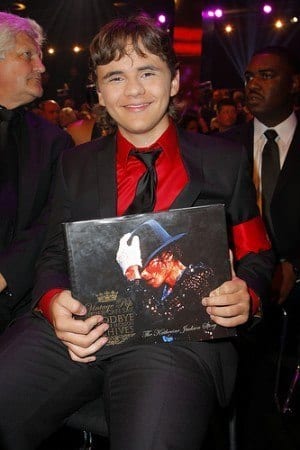
The inclusion of family testimony, notably that of Prince Jackson, provided the court with granular details regarding the operational pressures imposed upon the artist. This evidence is critical for establishing a pattern of negligence, aimed at demonstrating that the promoter’s awareness of the artist’s physical condition necessitated a higher standard of care than was provided under the governing contractual obligations.
Regulatory Challenges and Professional Mobility
Dr. Murray’s post-conviction career highlights systemic limitations in medical oversight. Following his 2011 involuntary manslaughter conviction, the revocation of his licenses across multiple U.S. states illustrates the rigor of interstate regulatory mechanisms. However, his subsequent establishment of a medical institute in Trinidad and Tobago exemplifies ‘regulatory arbitrage,’ where practitioners navigate jurisdictional limitations to continue operations, exposing gaps in international standards for medical ethics and professional conduct.
Long-term Industry Implications
The AEG Live litigation has necessitated a systemic re-evaluation of personnel vetting within the entertainment industry. Future concert production agreements are increasingly characterized by enhanced transparency and rigorous liability frameworks regarding medical support. As this legal precedent solidifies, it provides a crucial reference point for stakeholders managing the complex interplay between commercial interests and the health of high-profile performers.