World of Warcraft Forever: A Strategic Classic+ Unveiling
Blizzard Entertainment officially announced ‘World of Warcraft Forever’ at BlizzCon 2026, confirming industry speculation regarding a ‘Classic+’ iteration of its flagship massively multiplayer online role-playing game. This revelation signifies a critical strategic pivot, directly addressing persistent community demand, previously manifested through unauthorized ‘vanilla’ servers. ‘Forever’ is designed to evolve the original 2004 Azeroth experience with fresh narratives and content, while meticulously preserving its foundational social dynamics, aiming to recapture the early gameplay ethos that resonated deeply with a segment of its player base.
Redefining Social Gameplay and Perpetual Vanilla Expansion
The strategic impetus behind ‘World of Warcraft Forever’ stems from an internal assessment of the current retail World of Warcraft, which has been described by some as an “oddly lonely experience” due to the pervasive integration of advanced matchmaking systems. By prioritizing “social-first gameplay,” ‘Forever’ seeks to reverse this trend, fostering organic interactions essential for community building and long-term player retention. This design philosophy underpins its commitment to “perpetual expansion” within the original vanilla Azeroth framework, introducing new content—including three new zones, nine new dungeons, and two new raids—without escalating the level cap beyond 60 “for the foreseeable future.” This necessitates a horizontal progression model, enriching the existing world rather than solely increasing power levels, presenting an innovative design challenge to sustain player interest across all character levels.
Content Expansion and Narrative Opportunities in an Alternate Azeroth
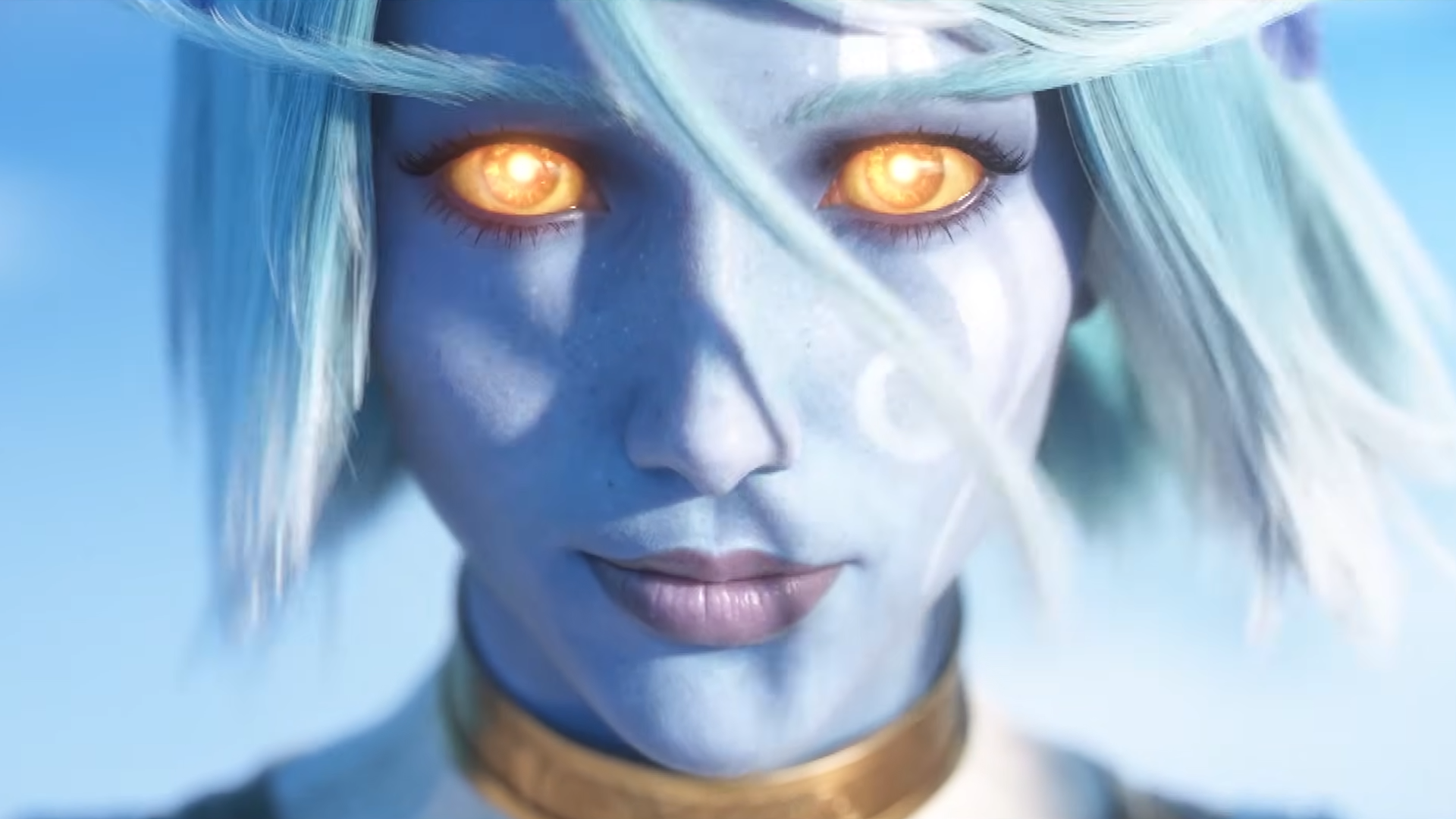
A key feature of ‘World of Warcraft Forever’ is its creative latitude to explore “new parts of Azeroth” and tell “stories that weren’t told during the MMO’s original progression.” This involves filling narrative gaps and expanding existing lore within a “bizzarro version” of the original timeline. The overhaul of “several” existing zones, described as “filling in the blank spaces of the vanilla map,” demonstrates a meticulous approach to world-building, ensuring thematic consistency. Further enriching the experience are new elements like the Skyborne Elves race and additional race/class combinations, providing both veteran players and newcomers fresh perspectives on a familiar, yet evolving, world.
Strategic Diversification and Market Positioning in a Multi-Timeline Future
The introduction of ‘World of Warcraft Forever’ creates a distinct third pillar within Blizzard’s World of Warcraft franchise, alongside the ongoing retail version and ‘WoW Classic.’ This multi-pronged strategy allows Blizzard to cater to disparate player preferences, mitigating the risk of alienating vast player segments with a singular game direction. This strategic diversification signals a nuanced understanding of the evolving MMORPG market, where demand for authentic, community-driven experiences coexists with a desire for fresh content. ‘Forever’ positions itself distinctly against contemporary MMOs prioritizing rapid vertical progression, and may prompt other legacy titles to explore similar “alternate timeline” or “classic-plus” models, thereby influencing the broader competitive landscape and solidifying a multi-timeline approach as a critical case study for franchise longevity.
Operational Complexities, Monetization, and Community Engagement
Launching with a beta scheduled for “this week,” ‘World of Warcraft Forever’ represents an aggressive deployment strategy, underscoring Blizzard’s confidence and eagerness for early community engagement. However, this rapid rollout presents operational challenges in managing expectations, ensuring technical stability, and gathering actionable feedback across a diverse player base. Financially, the “perpetual expansion” model implies a long-term revenue strategy, likely a subscription model complemented by cosmetic microtransactions, mirroring ‘WoW Classic’s’ approach. Supporting three distinct World of Warcraft experiences demands substantial allocation of development resources, marketing, and robust, scalable technological infrastructure, including separate server architectures and database systems. The success of ‘Forever’ hinges on Blizzard’s ability to manage player migration and ecosystem balance, aiming to maximize overall engagement across its portfolio, rather than simply shifting players between versions. Ultimately, ‘Forever’ leverages Blizzard’s extensive intellectual property to extend the World of Warcraft brand’s lifespan, demonstrating that foundational game design, continuously enriched by community feedback, can sustain a vibrant, enduring appeal for decades.