Strategic Convergence: Navigating the Big 12 Mid-Week Cycle
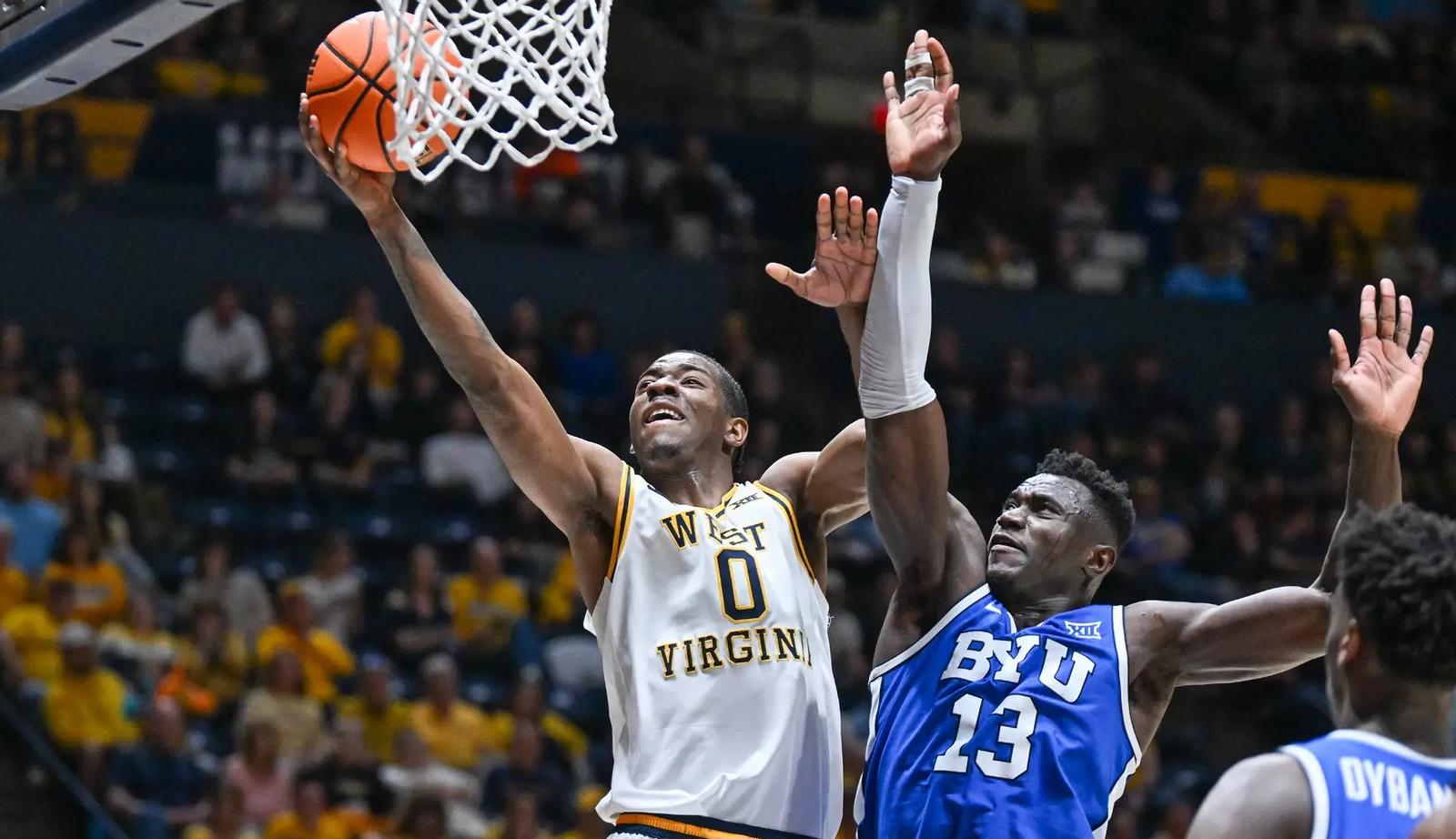
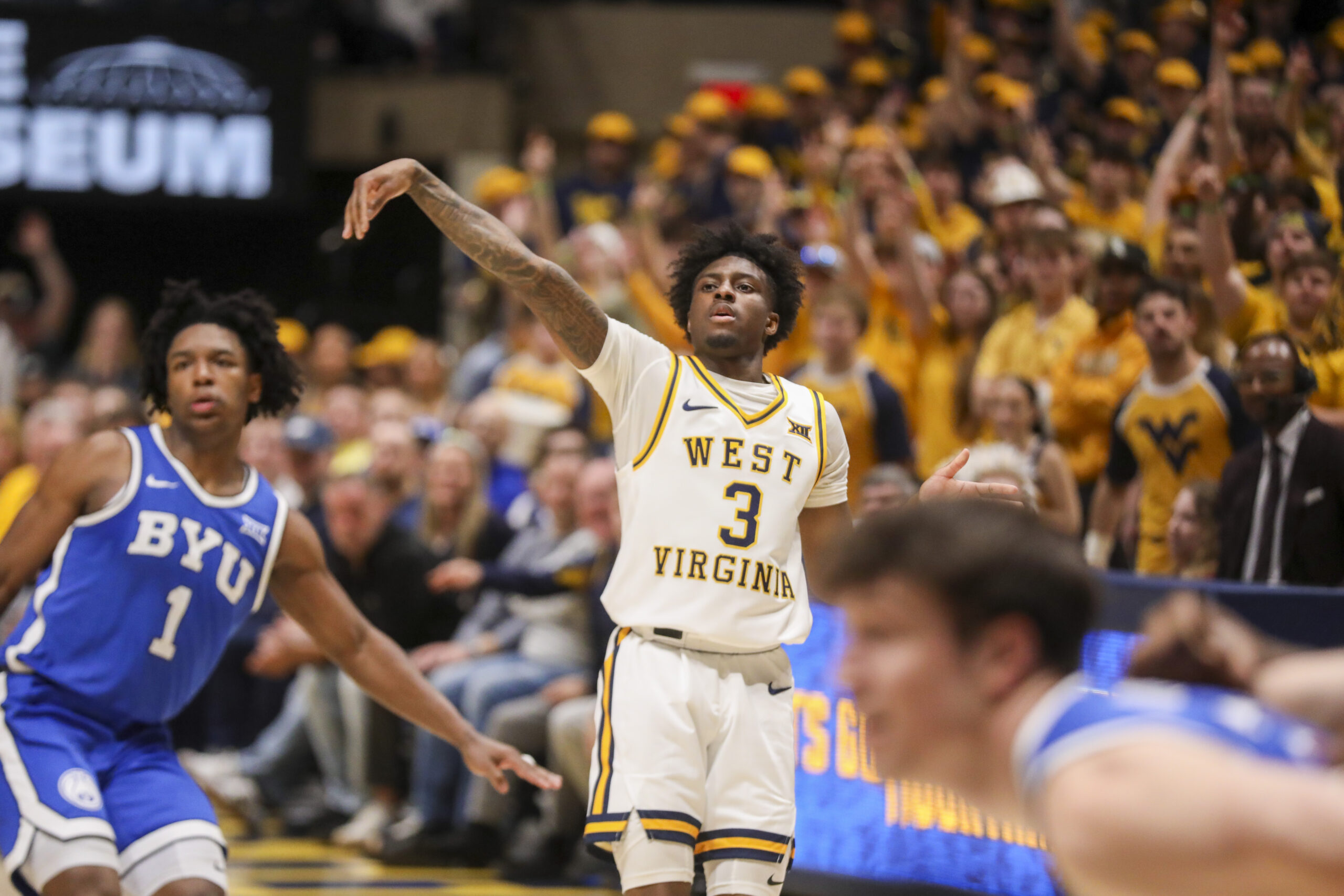
The matchup between West Virginia and Kansas State at Bramlage Coliseum represents a critical intersection of divergent program trajectories. For West Virginia, the contest is a litmus test for the sustainability of their late-season surge. Following a high-leverage victory over a ranked BYU squad, Ross Hodge’s staff must demonstrate operational resilience, translating a Saturday home performance into a Tuesday night road victory. This turnaround demands peak scouting efficiency to neutralize the hostile environment of ‘The Octagon of Doom.’
Kansas State enters this fixture under the administrative instability of a mid-season coaching transition. Since the dismissal of Jerome Tang on February 15, interim head coach Matthew Driscoll has faced the challenge of managing ‘euphoria decay’—the typical regression following the emotional peak of a leadership change. The Wildcats are currently struggling with a volatile performance profile, characterized by defensive inconsistencies that have resulted in a three-game losing streak against Texas Tech, Colorado, and TCU.
Tactical Reintegration: The Impact of Khamari McGriff
A primary tactical variable in this rematch is the availability of forward Khamari McGriff, who was absent during West Virginia’s narrow 59-54 victory in Morgantown. McGriff’s return provides Kansas State with interior length and rebounding gravity that was conspicuously absent in the first meeting. This addition forces West Virginia to adjust its offensive spacing; the Mountaineers must replicate the perimeter efficiency displayed against BYU while navigating a more congested paint.
For Kansas State, the offensive ceiling remains tethered to the backcourt production of PJ Haggerty and Nate Johnson. After combining for 34 points against TCU, their ability to generate high-volume scoring under duress is the program’s only consistent path to victory. West Virginia’s defensive priority will focus on ball-screen containment and forcing the Wildcats into secondary scoring options, testing the depth of Driscoll’s interim rotation.
Operational Discipline and the ‘Eilert Precedent’
Ross Hodge has emphasized the ‘human element’—the logistical and psychological discipline required to maintain focus during the grueling Big 12 travel schedule. This cultural foundation contrasts sharply with the administrative flux at Kansas State, which mirrors the challenges West Virginia navigated two years ago under interim coach Josh Eilert. Historical data suggests that interim regimes struggle to maintain player morale once the initial novelty of the coaching change dissipates.
For the Kansas State administration, the remaining schedule serves as a high-stress evaluation period for the current roster. The adaptability of key assets to Driscoll’s system provides essential data for the future permanent staff. However, the institutional risk of player disillusionment remains high if the season’s final weeks are perceived as a period of stagnation rather than a structured transition.
Postseason Calculus and the Threshold of Finality
West Virginia is currently operating under the ‘psychology of finality.’ The victory over BYU acted as a catalyst, shifting the program from competitive stagnation into active postseason contention. In the high-density environment of the Big 12, every possession now impacts tournament seeding and selection committee metrics. The Mountaineers are playing to preserve their seat at the table, leveraging a high level of urgency to mitigate road volatility.
Conversely, Kansas State’s motivations have shifted toward the role of ‘spoiler.’ While their postseason aspirations are opaque, the financial and reputational stakes of a strong finish are significant for players seeking to secure their roles under a new regime. The collision of West Virginia’s upward momentum and Kansas State’s desperation for stability will define the tempo of this high-leverage Big 12 encounter.