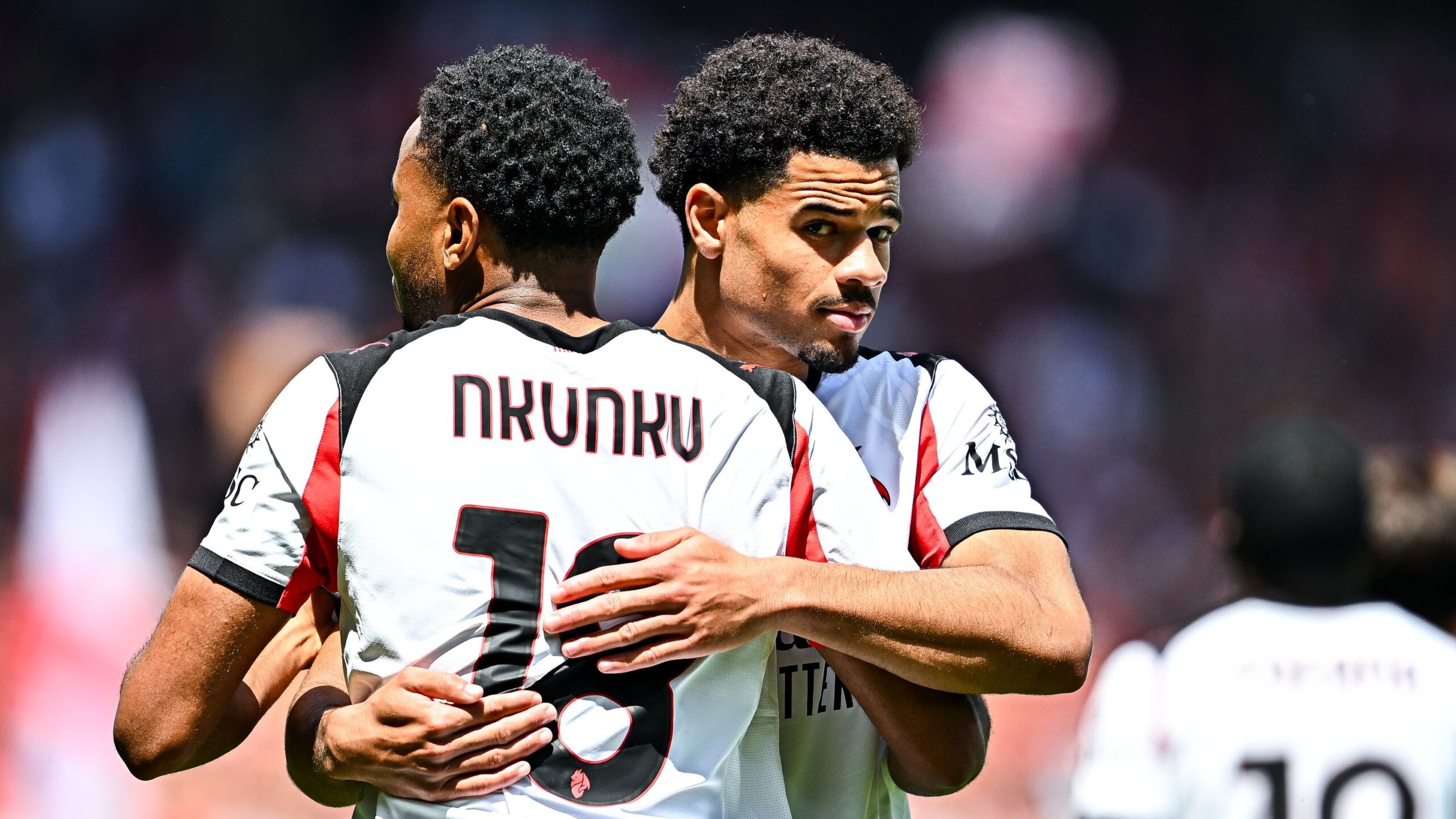
AC Milan’s arrival in Glasgow represents a sophisticated exercise in high-performance architecture. Under the tactical stewardship of Ruben Amorim, the fixture against Celtic at Paradise transcends the traditional exhibition format, serving instead as a litmus test for a squad-building philosophy rooted in data-driven risk mitigation and long-term asset preservation. The decision to exclude high-value personnel from the Scottish itinerary underscores an institutional shift toward prioritizing physiological stability over short-term commercial visibility.
Asset Preservation and Medical Risk Management
The exclusion of Christopher Nkunku from the traveling party due to a muscular strain highlights the club’s cautious approach to elite talent management. In the context of modern football, a soft-tissue injury is viewed as a systemic risk to tactical continuity and financial valuation. By retaining the forward in Italy, Milan’s technical staff is utilizing a controlled rehabilitation environment at Milanello to avoid the unpredictable physical load associated with a high-intensity match at Celtic Park.
This methodology reflects the increasing influence of sports science in managerial decision-making. The cost-benefit analysis of pre-season minutes favors safety; the objective is to ensure Nkunku’s peak availability for the high-stakes Australian tour and the subsequent competitive season. This strategic safeguard protects the club’s primary offensive engine within Amorim’s evolving tactical framework.
Operational Bifurcation: Training Hub Continuity
The retention of Pervis Estupiñán and goalkeeper Pietro Terracciano at Milanello illustrates a bifurcated preparation model. While the primary squad seeks competitive rhythm in Glasgow, a secondary group follows specialized conditioning protocols at the home base. This operational split minimizes the logistical stress of short-haul travel for players requiring specific physical loading or injury recovery.
Milanello serves as a laboratory for targeted recovery, ensuring that Estupiñán can reintegrate into the tactical framework without the distractions of a touring schedule. This staggered approach suggests that the technical staff views the upcoming international commitments in Australia as the definitive phase for full-squad integration, treating the Glasgow fixture as a specialized development window for depth players.
Tactical Implications of the Glasgow Encounter
Facing Celtic provides a unique psychological simulation of European competition. The high-pressing identity of the Scottish champions offers a rigorous environment to test Amorim’s defensive transitions. In the absence of Nkunku, the manager is compelled to explore alternative offensive configurations, potentially accelerating the development of younger prospects and testing the versatility of established veterans.
The data harvested from this encounter will likely inform the final adjustments to the squad’s structure before the transfer window closes. For those selected, the match is a critical audit of their tactical discipline, determining their hierarchy within the squad before the more commercially driven phases of the pre-season begin.
Commercial Imperatives and Global Brand Expansion
The subsequent tour of Australia highlights the tension between sporting preparation and commercial expansion. Pre-season fixtures are now integrated into a global brand strategy designed to maximize engagement in emerging markets. The Glasgow bridge allows Milan to refine their sporting product before fulfilling contractual obligations to international sponsors and fans in the Asia-Pacific region.
The expected inclusion of Estupiñán and Terracciano in the Australian leg emphasizes the commercial necessity of presenting a complete roster to global audiences. Thus, the medical caution exercised in Scotland is a prerequisite for the commercial success of the following tour phases, linking fiscal health directly to the medical department’s efficacy.
Conclusion: The Roadmap to European Competitiveness
The strategic decisions surrounding the Celtic friendly reflect a holistic understanding of the modern football ecosystem. By navigating injury risks and logistical constraints with precision, Ruben Amorim is building a resilient tactical system capable of enduring the rigors of a multi-front campaign. The outcome in Paradise will serve as an indicator of the squad’s baseline readiness as AC Milan aims to re-establish itself at the pinnacle of European football.