Incident Overview: Escalation, Diversion, and Immediate Response
American Airlines flight AA 618, en route from Dallas Fort Worth International Airport to Newark, experienced a critical operational disruption culminating in an emergency landing in Baltimore. This unscheduled diversion was a direct consequence of a passenger’s escalating belligerence in the first-class cabin, which progressed from sustained verbal abuse, including racial and homophobic slurs, to physical assault against fellow passengers and crew members.
The decision to divert a flight represents a high-stakes operational imperative, prioritizing immediate safety and security over schedule adherence and significant financial implications. This swift activation of the airline’s established in-flight disturbance protocols underscores the critical nature of neutralizing threats to flight integrity and ensuring the well-being of all occupants.
Intervention and Restraint: A Multi-Layered Security Response
The passenger’s aggressive behavior rapidly transformed a contained verbal dispute into a severe physical threat within the confined aircraft environment. The initial response involved a coordinated effort from flight attendants, swiftly augmented by an onboard federal air marshal and several assisting passengers, including a retired law enforcement officer. This multi-party intervention highlights the critical reliance on both trained aviation security professionals and the readiness of civilian assistance in mitigating acute, volatile situations.
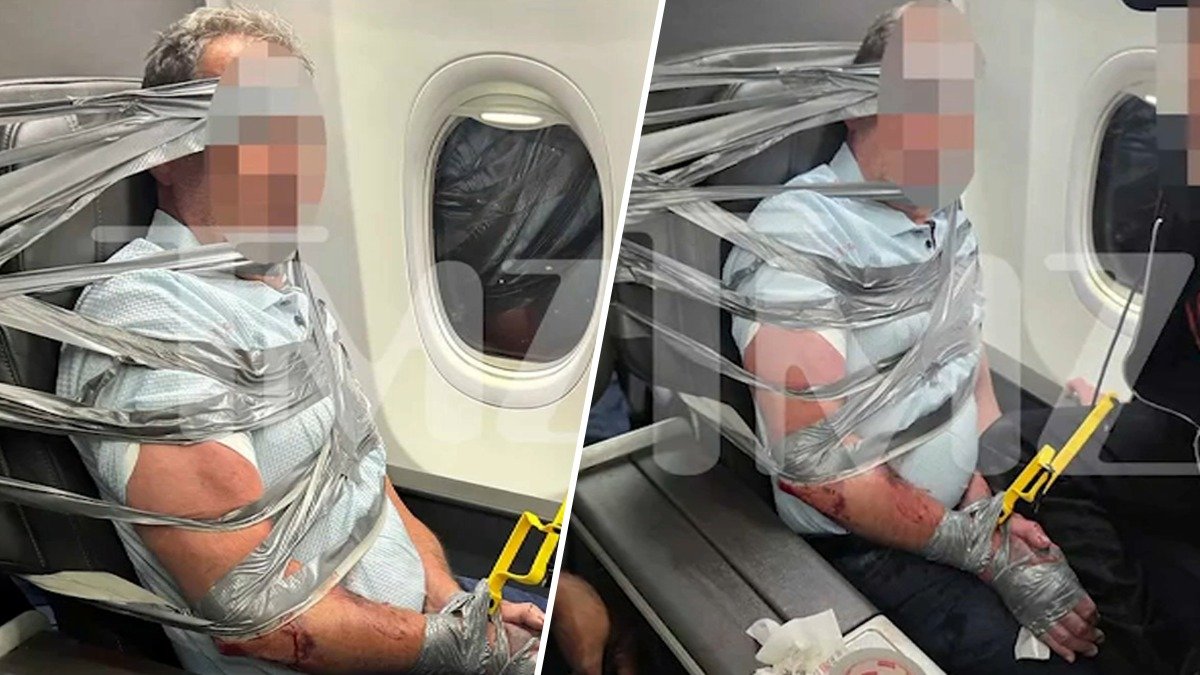
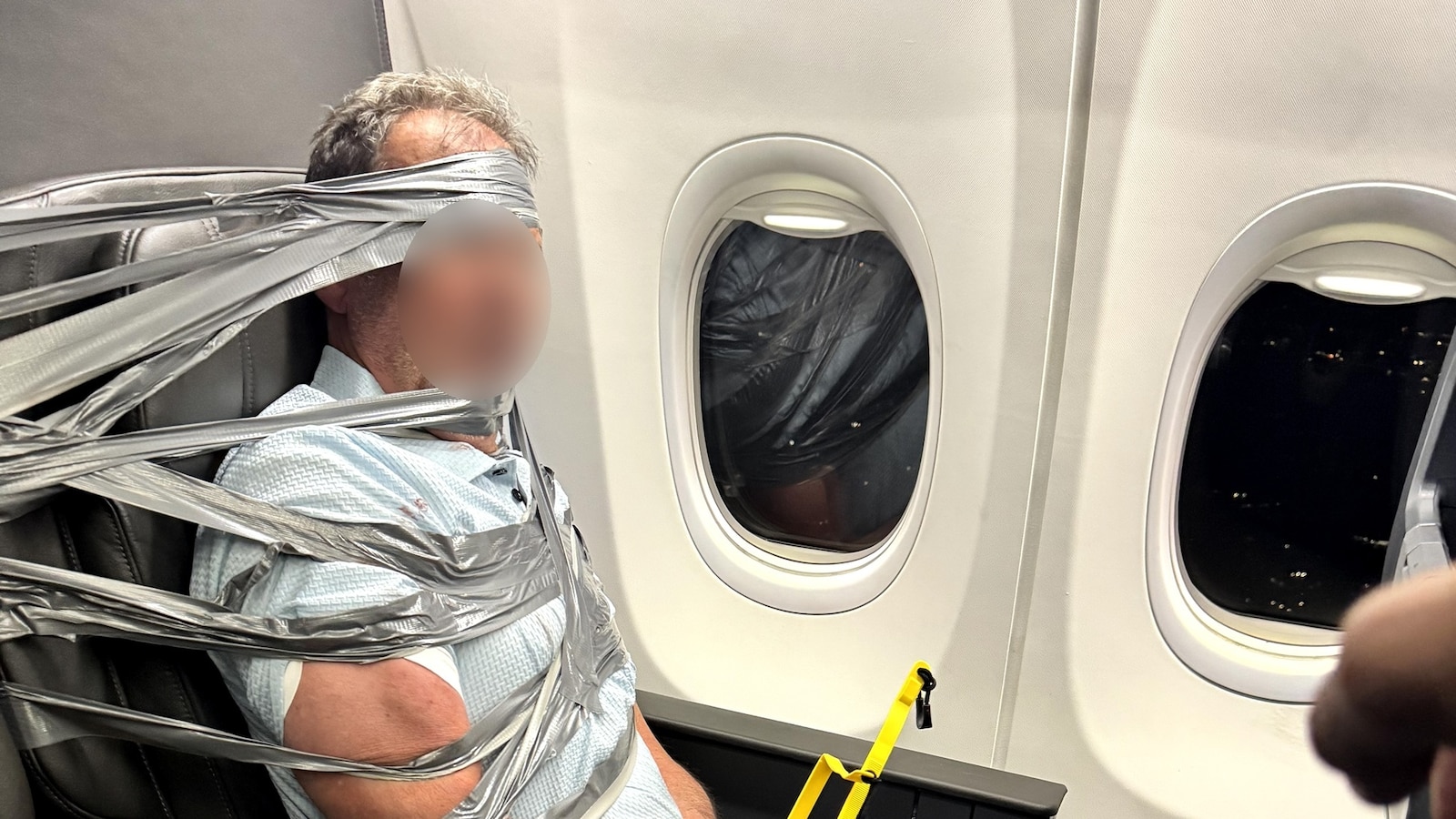
Faced with a physically uncooperative and dangerous individual, the crew, with passenger aid, resorted to physical restraint using flexible handcuffs (zip ties) and duct tape. This application of non-lethal restraint devices represents a measure of last resort, justified by the extreme nature of the disturbance and the immediate necessity to immobilize a direct threat. The involvement of a federal air marshal further signifies the activation of the highest tier of in-flight security, designed to address such high-risk scenarios and ensure compliance with federal aviation regulations.
Legal and Regulatory Ramifications: Post-Diversion Accountability
Upon landing in Baltimore, local law enforcement, specifically the Maryland Transportation Authority Police, promptly took custody of the unruly passenger, Arthur Lundeen, 67, of Arizona. This seamless transfer of authority from airline personnel to ground-based law enforcement is a standard, critical procedure that initiates a formal legal process. The involvement of federal agencies—the Federal Aviation Administration (FAA) and the Federal Bureau of Investigation (FBI)—underscores the federal jurisdiction governing in-flight disturbances and potential criminal acts aboard aircraft.
The FAA, as the primary civil aviation regulatory authority, maintains a stringent stance on passenger misconduct, imposing substantial civil penalties that vary based on the severity of the offense. The FBI’s involvement indicates a criminal investigation into potential violations of federal statutes, which carry significant penalties, including fines and imprisonment, for interfering with flight crew duties or assaulting individuals on an aircraft. This multi-agency coordination is paramount for comprehensive investigation and effective prosecution, reinforcing the deterrent effect of aviation law.
Economic and Reputational Impact: Quantifying Disruption
A flight diversion of this magnitude incurs substantial and multifaceted costs for the operating airline. Direct financial burdens include additional fuel consumption, unexpected landing fees, ground service charges, and re-routing logistics. Indirect costs encompass significant passenger inconvenience, leading to expenses for rebooking, accommodations, and potential compensation for missed connections or severe delays. These factors collectively strain the airline’s operational resilience and efficiency across its network.
Beyond direct expenditures, American Airlines faces considerable reputational implications. Public perception of airline safety and security is highly sensitive to high-profile incidents, potentially influencing passenger trust and brand loyalty in a fiercely competitive market. The rapid dissemination of images and videos via social media amplifies public exposure, necessitating a robust crisis communication strategy to manage narrative and perception effectively. The emotional and psychological toll on passengers and crew also represents an unquantifiable but significant cost.
Strategic Lessons and Future Mitigation: Enhancing Aviation Security
This incident serves as a critical case study for the broader aviation industry, highlighting persistent challenges with unruly passenger behavior and necessitating continuous strategic adjustments. Airlines and regulatory bodies are compelled to evaluate and enhance security protocols, crew training, and preventative measures. Key strategic imperatives include advanced training for flight attendants in de-escalation techniques, threat assessment, and appropriate use of restraint devices.
Proactive measures are gaining prominence, including exploring enhanced pre-flight screening for signs of impairment or distress, informed by witness observations of the passenger’s potential intoxication. Furthermore, leveraging technology for threat detection and passenger screening, alongside robust public awareness campaigns, can educate passengers about the severe consequences of misconduct. Long-term, strategic investments in cabin design and passenger experience are also considered to foster a more respectful and cooperative travel environment, balancing stringent security with a welcoming atmosphere essential for the sustained integrity of global air travel.