Media Disintermediation and Digital Sovereignty
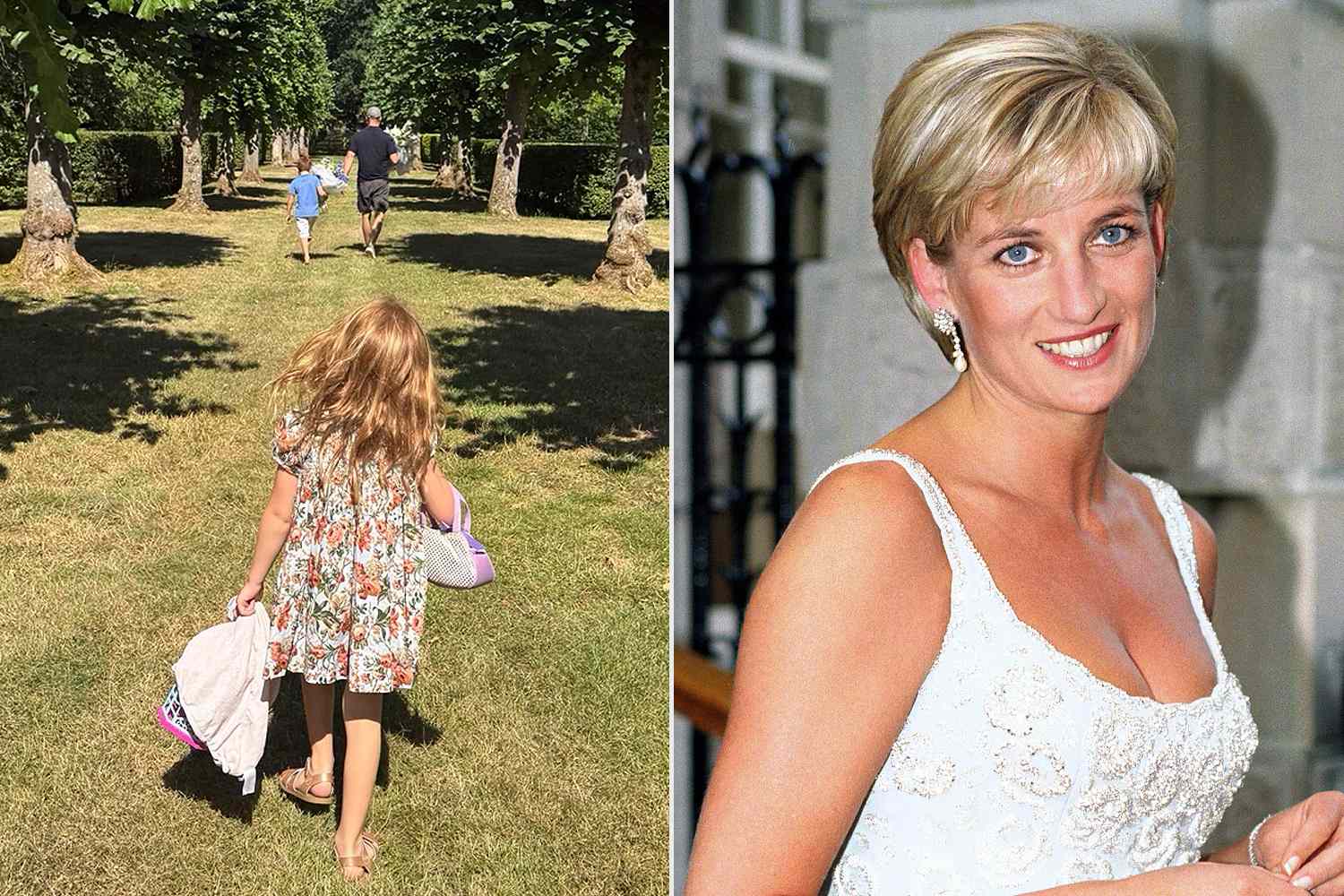
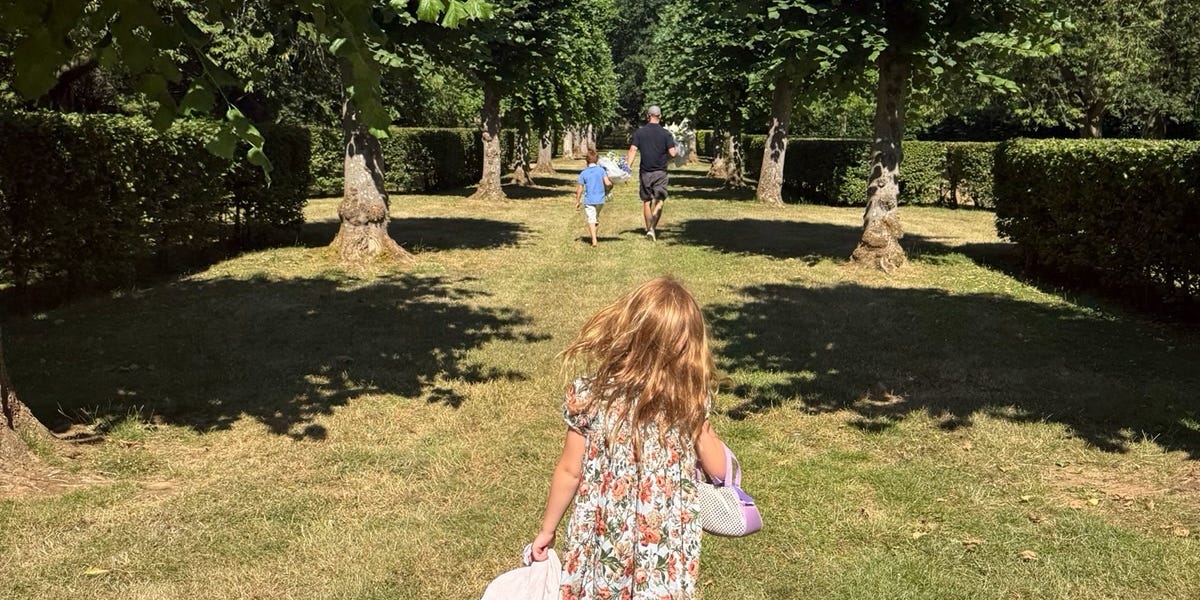
The July 2026 dissemination of private imagery by Meghan Markle, Duchess of Sussex, documenting a visit to Althorp, marks a definitive shift in the couple’s communications architecture. By utilizing Instagram to bypass traditional press pools, the Sussexes have transitioned to a direct-to-consumer model. This strategic disintermediation allows for absolute control over visual semiotics, asserting digital sovereignty while neutralizing the influence of institutional media filters.
The Spencer Alignment: Institutional Decoupling
Positioning Althorp—the ancestral Spencer seat—as a primary narrative backdrop serves as an act of institutional decoupling. By grounding their familial identity in the Spencer heritage rather than the House of Windsor’s current structure, the Sussexes establish a source of legitimacy that exists independently of the British Crown. This alignment, supported by the sustained involvement of Charles Spencer and his siblings, provides a symbolically potent UK base that reinforces a lineage centered on the late Princess of Wales.
Operational Autonomy and Logistics
The logistics of the July 2026 visit—specifically the closure of the 15,000-acre estate on July 10 and 11—underscore a high-functioning partnership with private entities. This operational independence allows for the curation of content in a secure environment, free from the constraints of state-managed properties. The resulting imagery of Prince Archie and Princess Lilibet within the estate’s fields serves a dual purpose: humanizing the brand while maintaining a buffer of territorial privacy.
Narrative Control and Legacy Competition
The specific visual choices—such as Prince Harry and Archie carrying bouquets toward the Oval Lake burial site—function as a shorthand for continuity. These frames are not merely personal records; they are strategic assets in what can be termed ‘legacy competition.’ By positioning themselves as the primary custodians of Princess Diana’s personal memory, the Sussexes create a distinct brand identity that competes for global public affection, leveraging historical associations to bolster their independent commercial and philanthropic viability.
Conclusion: A Fragmented Royal Model
The Althorp visit demonstrates a sophisticated understanding of the digital attention economy. Relying on private institutional support and direct-to-consumer platforms, the Sussexes are architecting a personalized model of royal identity. This approach ensures their continued relevance as global cultural icons, operating on their own terms within a chosen framework of historical and emotional resonance.