Strategic Integration of Technology and Diplomacy at the Winter Olympics
The 2026 Milan-Cortina Winter Olympics opening ceremony, held at Italy’s historic San Siro Olympic Stadium, served as a significant global platform, drawing an audience exceeding 75,000 spectators and over 3,500 athletes. This convergence of global attention provided a unique environment for the interplay of technological innovation and strategic international diplomacy.
In this dynamic setting, the event underscored the evolving role of corporate engagement, particularly highlighting the extensive involvement of Samsung. The company’s presence extended beyond traditional sponsorship, integrating its technology directly into the event’s core narrative and facilitating high-level diplomatic interactions.
Samsung’s Global Partnership and Technological Showcase
Samsung’s participation at the Winter Olympics is structured through its status as “The Olympic Partner (TOP),” the highest tier of sponsorship within the Olympic Movement. This designation signifies an exclusive, long-term commitment to the International Olympic Committee (IOC), providing critical financial and operational support that underpins the organization’s global initiatives and the staging of the Olympic Games.
As the sole South Korean enterprise holding this prestigious TOP status, Samsung secures global marketing rights and category exclusivity, positioning its brand alongside the Olympic ideals of excellence, friendship, and respect. This strategic alliance allows Samsung to leverage the immense global visibility and positive associations of the Olympic Games to enhance its brand equity and market penetration across diverse international territories.
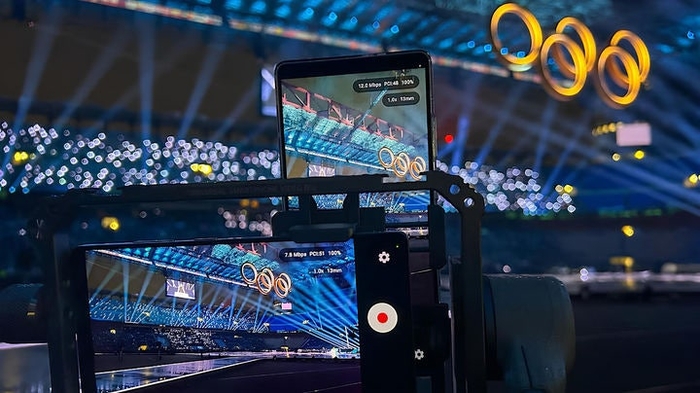
A key aspect of Samsung’s engagement at the Milan-Cortina Games involved the direct integration of its technology into the opening ceremony. Athletes were equipped with custom Samsung Galaxy Z Flip7 Olympic special edition mobile phones, empowering them to personally capture moments from the grand spectacle.
This initiative transforms athletes into active content creators, fostering a more immersive and authentic narrative of the Olympic experience. Beyond individual athlete recordings, Samsung Galaxy cameras were deployed throughout the venue, capturing and transmitting key moments of the ceremony to a global audience, thereby expanding reach and engagement.
The strategic deployment of these devices at such a high-profile event serves as a live, global demonstration of product capability and innovation. It provides tangible evidence of Samsung’s technological prowess in a high-demand, high-visibility environment, influencing consumer perceptions of reliability, advanced features, and user-centric design.
This method of product integration moves beyond conventional advertising by showcasing the devices in an operational context central to the event’s narrative. It reinforces Samsung’s position as a leader in mobile technology, demonstrating its capacity to enhance large-scale public events and personal experiences alike.
The Practice of Sports Diplomacy
The presence and activities of Samsung Electronics Chairman Lee Jae-yong at the 2026 Milan-Cortina-Dampazzo Winter Olympics exemplify the growing significance of “sports diplomacy” in contemporary international relations. This form of diplomacy leverages athletic events as informal but powerful platforms for fostering dialogue, building relationships, and advancing strategic national and corporate interests.
Chairman Lee, attending as the representative of South Korea’s only International Olympic Committee (IOC) top sponsor, actively engaged in a series of high-level meetings with prominent figures from global political and business spheres. These interactions demonstrate the multi-layered objectives of sports diplomacy, which often include enhancing national soft power, facilitating economic partnerships, and elevating the international standing of associated enterprises.
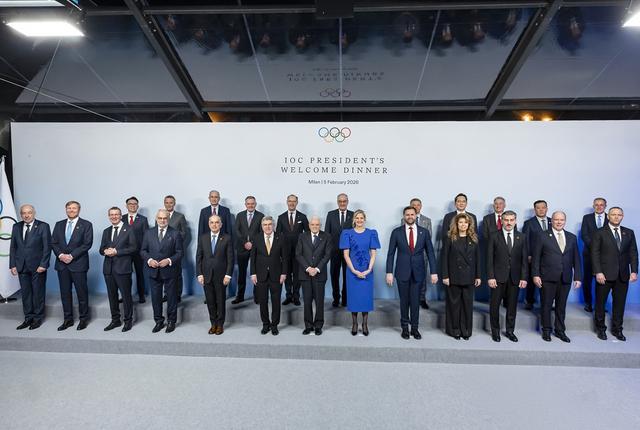
A notable event in Chairman Lee’s diplomatic agenda was his participation in an official celebratory dinner hosted by the International Olympic Committee. Such gatherings provide a unique setting where traditional diplomatic protocols can be relaxed, allowing for more direct and personal exchanges among influential leaders.
Attendees at this dinner included IOC President Kirsty Coventry, Italian President Sergio Mattarella, United States Vice President JD Vance, United States Secretary of State Marco Rubio, King Willem-Alexander of the Netherlands, and King Tamim bin Hamad Al Thani of Qatar. The assembly of such a diverse and high-ranking group underscores the capacity of major international sporting events to convene global decision-makers in a distinct context.
These meetings, though not always resulting in immediate policy announcements, are instrumental in establishing and reinforcing networks that can yield long-term strategic benefits. For a corporate leader, engaging directly with heads of state and top government officials in this manner facilitates deeper understanding of geopolitical landscapes and potential avenues for international collaboration.
From a national perspective, Chairman Lee’s proactive engagement in sports diplomacy reaffirms the global stature and influence of South Korean enterprises. It signals a commitment to international collaboration and positions South Korea as a key player in both technological innovation and global governance dialogues, utilizing major cultural and sporting events as conduits for this projection of influence.
The strategic value of these engagements lies in their ability to transcend purely commercial interests, embedding corporate leadership within broader discussions of international cooperation and national representation. This approach solidifies the brand’s reputation not just as a market leader, but as a responsible and engaged global citizen contributing to international goodwill.
Systemic Implications and Strategic Positioning
The convergence of Samsung’s advanced technology integration and Chairman Lee’s diplomatic initiatives at the Winter Olympics reflects a sophisticated model of strategic positioning for multinational corporations. This model recognizes that success on the global stage is increasingly interdependent with geopolitical awareness, public perception, and institutional partnerships.
Samsung’s role as a TOP sponsor and its direct technological contribution to the Games are not merely acts of philanthropy or advertising. They represent calculated investments in brand equity, market leadership, and the cultivation of an image as an indispensable partner in global events. This reinforces the company’s competitive advantage in a highly contested technology sector.
The visibility gained from the Olympics, coupled with the demonstration of product utility by athletes, generates significant media attention and consumer interest that traditional marketing campaigns might struggle to replicate. This organic integration into the fabric of the event creates a powerful and authentic narrative around the brand.
Furthermore, the sports diplomacy undertaken by Chairman Lee serves as a critical layer in this strategic framework. By engaging with global political leaders, Samsung is not only promoting its commercial interests but also contributing to the broader diplomatic efforts that shape the international business environment.
These high-level interactions allow corporate leaders to influence regulatory discussions, foster favorable trade relations, and gain insights into future policy directions that could impact their global operations. Such proactive engagement is essential for navigating complex international markets and mitigating potential risks.
The Olympic Games, as a truly global spectacle, provide a unique and relatively neutral ground for these multi-stakeholder interactions. They offer a temporary international commons where corporate, national, and sporting interests can align, even if momentarily, to achieve mutual recognition and progress.
Ultimately, the documented activities at the 2026 Milan-Cortina Winter Olympics highlight a crucial aspect of modern international business: that corporate influence is not solely a function of market capitalization or technological innovation. It is also significantly shaped by strategic engagement with international institutions, proactive diplomacy, and a deep understanding of how global events can be leveraged to build and sustain competitive advantages and national prestige.
This integrated approach showcases how a leading technology firm strategically aligns its commercial objectives with broader socio-political and international relations, defining a comprehensive strategy for global relevance and impact.