Anatomy of Digital Rivalry: Player-Fan Dynamics and Institutional Scrutiny in Modern Sports
The conclusion of Super Bowl 2026, where the Seattle Seahawks secured a 29-13 victory for their second franchise championship, provided a backdrop for a series of social media interactions that illustrate the evolving landscape of professional sports media and athlete engagement. These exchanges, involving players from both the victorious team and a prominent divisional rival, highlight the intricate relationship between on-field performance, athlete branding, and digital-era fan interactions. The documented incidents extend beyond simple commentary, offering insights into institutional dynamics regarding player conduct, team rivalries, and the public scrutiny of personal lives.
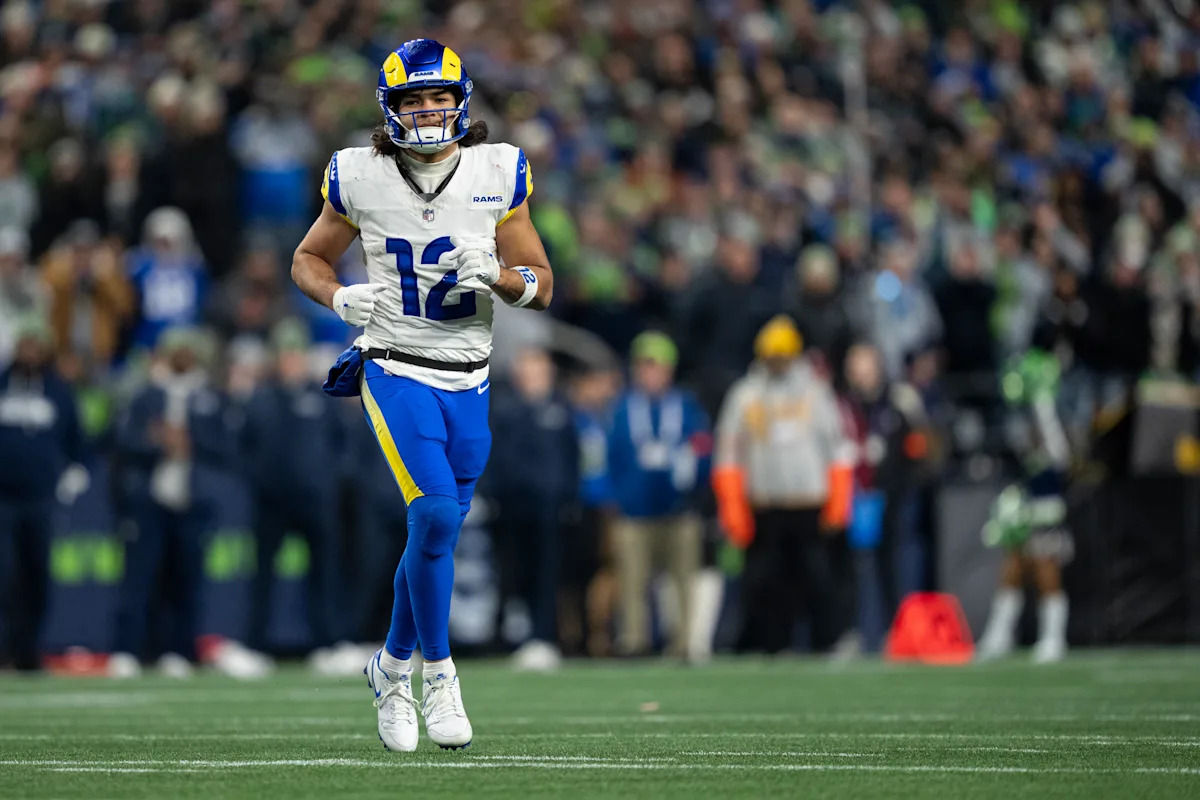
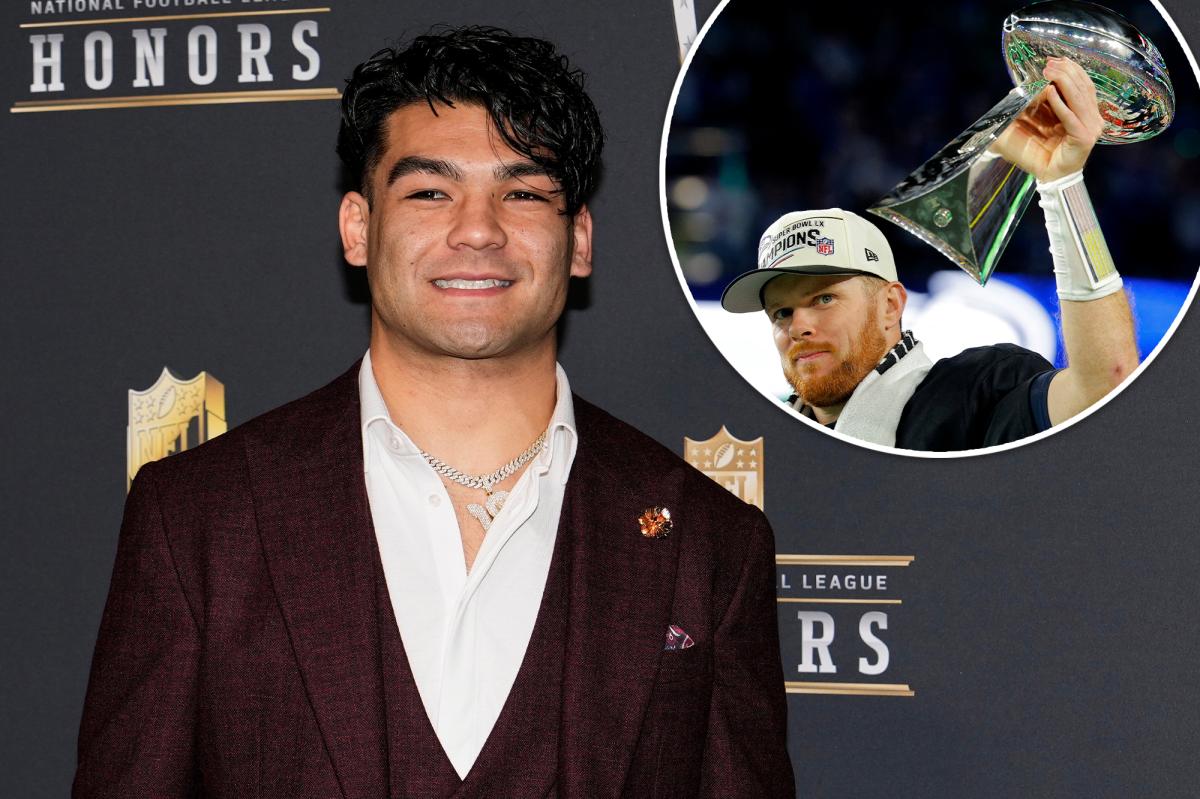
The events in question primarily involve Seattle Seahawks player Ernest Jones and Los Angeles Rams player Puka Nacua, whose teams share a competitive history within the National Football League (NFL) structure. The interactions were precipitated by Nacua’s social media activity during the Super Bowl broadcast. Following a post by Nacua, described in initial reports as an “odd Super Bowl callout” involving Sam Darnold, Jones responded directly to Nacua. Jones’s response, which included the question “Ain’t you at home?”, explicitly referenced Nacua’s team’s absence from the championship game. This exchange serves as a clear example of how inter-team rivalry now extends into digital forums, where traditional on-field rivalries transform into online exchanges for public consumption.
The Digital Arena for Inter-Team Rivalry
The nature of professional sports rivalries has undergone significant transformation in recent years. Historically, rivalries were defined almost exclusively by on-field competition, media soundbites from post-game interviews, and traditional broadcast analysis. The rise of social media platforms has provided a new arena for these conflicts, offering athletes direct, unfiltered communication channels. This shift allows for continuous narrative development outside of official league schedules and structured media events.
While traditional rivalries often simmered between matchups, social media facilitates a constant, real-time engagement that heightens tensions between teams and their respective fanbases. The exchange between Jones and Nacua, occurring during a major institutional event like the Super Bowl, demonstrates how these digital interactions have become an integral part of the narrative surrounding professional sports. For athletes, social media serves as both a powerful tool for self-expression and a source of potential public relations challenges, requiring careful navigation of institutional and personal brand interests.
The structural significance of these exchanges lies in their influence on fan engagement. Fans consume these digital interactions as an extension of the rivalry itself, viewing them as authentic expressions of competitive spirit. This level of access to personal dynamics creates a more immersive experience for supporters, but also raises questions for league administrators regarding appropriate player conduct and adherence to brand standards. The institutional framework of professional sports relies on maintaining a certain level of decorum, and digital interactions continually challenge the traditional boundaries of this framework.
Athlete-Fan Relationship Dynamics and Team Loyalty
The source data also references a prior incident where Puka Nacua publicly criticized the Rams’ fanbase, accusing them of low attendance at home games. This incident introduces a second layer of complexity regarding athlete-fan dynamics. The relationship between a professional sports team and its local fanbase is a critical structural element of the sports ecosystem, affecting everything from team revenue streams to on-field performance through the concept of home-field advantage. A strong, engaged fanbase provides a competitive edge and secures long-term market stability for a franchise.
Nacua’s previous comments highlight potential tensions that can arise within a franchise when performance and fan support expectations diverge. While player comments on fan engagement are not unprecedented, direct public criticism by an active player complicates the relationship in the modern media landscape. When such statements are made via social media, they gain immediate traction, creating public discourse around internal team issues. This type of direct communication bypasses traditional media filters, allowing for unmediated expression of frustration that can either resonate positively with some segments of the fanbase or alienate others.
From an institutional perspective, managing the player-fan dynamic in the digital age requires a nuanced approach. Teams and leagues often encourage engagement but must also navigate potential conflicts that arise from criticism or public disagreements. The structural challenge for franchises is to balance an athlete’s right to expression with the imperative to maintain a positive public image and foster strong community relationships. The incident involving Nacua’s criticism of the fanbase provides a specific case study in how social media can amplify internal team frustrations and expose them to public scrutiny.
The Convergence of Personal Lives and Public Scrutiny
A further dimension of the events discussed involves the integration of an athlete’s personal life into the public narrative. The source material mentions that Nacua’s ex-partner, Hallie, also posted “subtle shade” directed at the Rams following the Seahawks’ victory. This incident highlights the blurred line between private and public life for professional athletes and the intense scrutiny they face from various stakeholders during significant sporting events.
In the digital age, personal relationships of high-profile athletes are often subject to public consumption and commentary. When an athlete’s personal life intersects with team performance, it adds a layer of complexity to the narrative. The public commentary from an ex-partner, however indirect, contributes to the ongoing media cycle surrounding the player and the team. This phenomenon demonstrates how professional sports narratives extend beyond the confines of the game itself, encompassing personal relationships, social media posts, and public opinion.
For athletes, this constant scrutiny presents significant challenges related to privacy and brand management. The institutional framework of professional sports must address how to support athletes in navigating these complex issues, especially when personal matters are intertwined with team results. The incident involving Nacua’s ex-partner underscores the pervasive nature of media coverage and the fact that an athlete’s persona is constantly being constructed and deconstructed by public opinion and commentary.
Institutional Implications and Media Synthesis
Collectively, these incidents—the inter-team digital rivalry, the player’s critique of the fanbase, and the commentary from a personal acquaintance—synthesize a broader picture of institutional challenges in professional sports. The documented events underscore the necessity for leagues to develop comprehensive policies regarding player conduct on social media. While these platforms facilitate engagement and transparency, they also pose risks related to brand image, team cohesion, and public relations.
From a media perspective, these social media exchanges offer a window into the cultural shifts occurring within professional sports. They demonstrate a move away from highly controlled narratives to more spontaneous, and sometimes contentious, public interactions. The media landscape now integrates direct player statements as central components of sports coverage, prioritizing authenticity and real-time commentary over traditional reporting structures.
The events surrounding the Super Bowl 2026 illustrate how a single sporting event can serve as a flashpoint for various underlying tensions within the professional sports system. The interactions highlight the structural importance of fan engagement, the competitive dynamics of divisional rivalries, and the intense media scrutiny faced by athletes in the digital age. These dynamics require continuous adaptation from leagues, teams, and players to manage brand integrity and public perception effectively.