Major sporting events frequently serve as platforms for intricate marketing strategies, transcending the athletic competition itself to become broader cultural spectacles. The Super Bowl, in particular, leverages celebrity engagement as a significant component of its media strategy. This phenomenon, which extends beyond simple fan support, implicates sophisticated mechanisms of brand alignment and audience segmentation.
The Strategic Function of Celebrity Endorsements in Sports Marketing
Celebrity endorsement in professional sports operates as a symbiotic relationship between a prominent individual brand and a sports franchise or league. The dynamic involves a strategic calculus where both parties seek to leverage the association for mutual benefit. For the sports organization, celebrity affiliation provides a pathway to extend its brand reach beyond its traditional fan base and into new demographic segments, often aligning with the celebrity’s core audience in entertainment.
Conversely, a celebrity’s public association with a sports team can serve to reinforce their personal brand identity. By aligning with a team’s narrative of loyalty, success, or regional identity, the individual celebrity can cultivate a perception of relatability, authenticity, and cultural relevance among their followers. This strategic alignment can enhance the celebrity’s public image, providing opportunities for content creation and engagement that keep them present in the public eye outside of their primary career focus.
The value of this brand alignment is not solely based on individual enthusiasm. It is integrated into the commercial structure of professional leagues and media partnerships. The NFL, as a corporate entity, benefits significantly from celebrity involvement as it broadens its appeal. A celebrity’s public declaration of support can amplify media coverage and generate secondary content for news and entertainment outlets, effectively transforming a sporting event into a broader cultural moment and enhancing the value proposition for sponsors and broadcast partners.
The Distinction Between Authentic and Tactical Affiliation
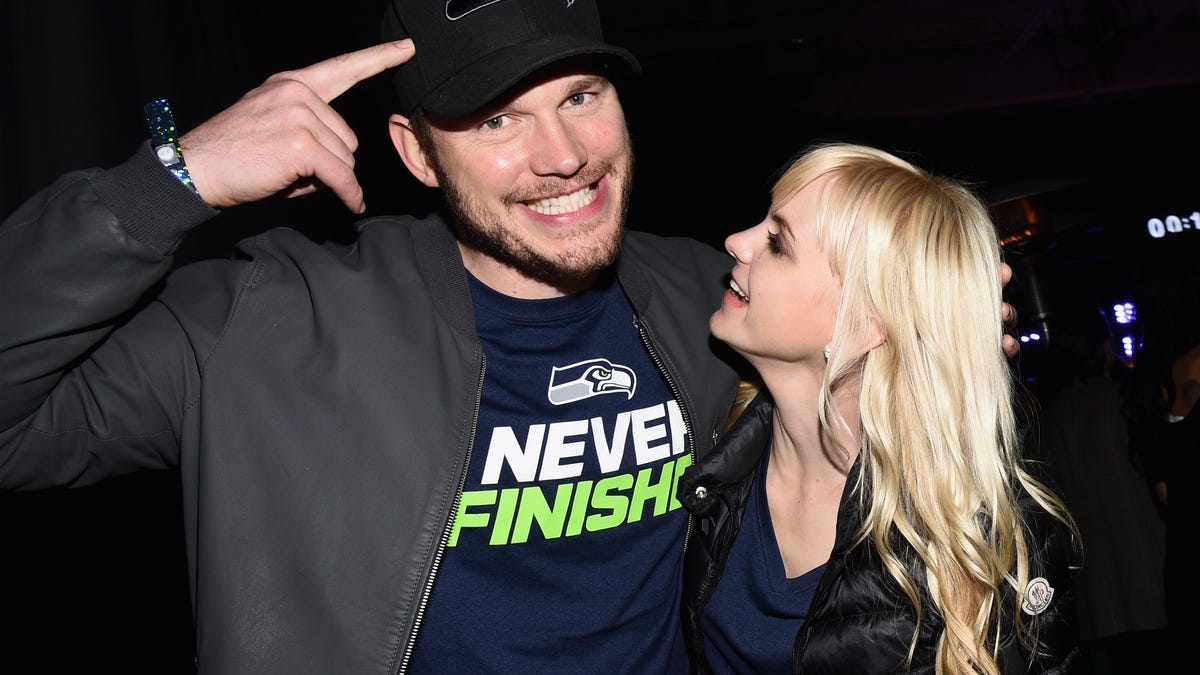
A central element in the analysis of celebrity endorsements is the distinction between a perceived authentic connection and a tactical, commercially motivated alignment. While some celebrity relationships with teams may be rooted in lifelong personal history or regional ties, others are strategically cultivated for public relations purposes. The source material highlights this dichotomy by distinguishing between individuals who adopt teams purely for public consumption and others whose devotion is described as authentic.
From a marketing perspective, perceived authenticity holds significant value. Consumers, particularly modern audiences, are increasingly adept at discerning between genuine support and paid promotion. When a celebrity’s devotion is perceived as authentic, it enhances brand credibility for the team. This perceived sincerity can foster deeper emotional connections with fans, who value shared loyalty and history, leading to increased merchandise sales and long-term brand equity for the franchise.
The strategic challenge for a sports franchise is to manage these endorsements effectively. A celebrity affiliation that appears inauthentic risks alienating fans and potentially diminishing the brand’s credibility. Therefore, leagues and teams often focus on cultivating relationships with celebrities who can demonstrate a genuine long-term connection to the franchise, ensuring that the association feels organic and resonates effectively with the existing fan base.
Media Narratives and Event Marketing Strategy
Major events like the Super Bowl are carefully orchestrated media spectacles designed to capture maximum audience share. The media coverage extends far beyond the technical aspects of the game itself, incorporating elements of entertainment, fashion, and pop culture. Celebrity involvement is a key tool in this strategy, used to generate compelling narratives that capture attention even among casual viewers who may not follow the sport regularly.
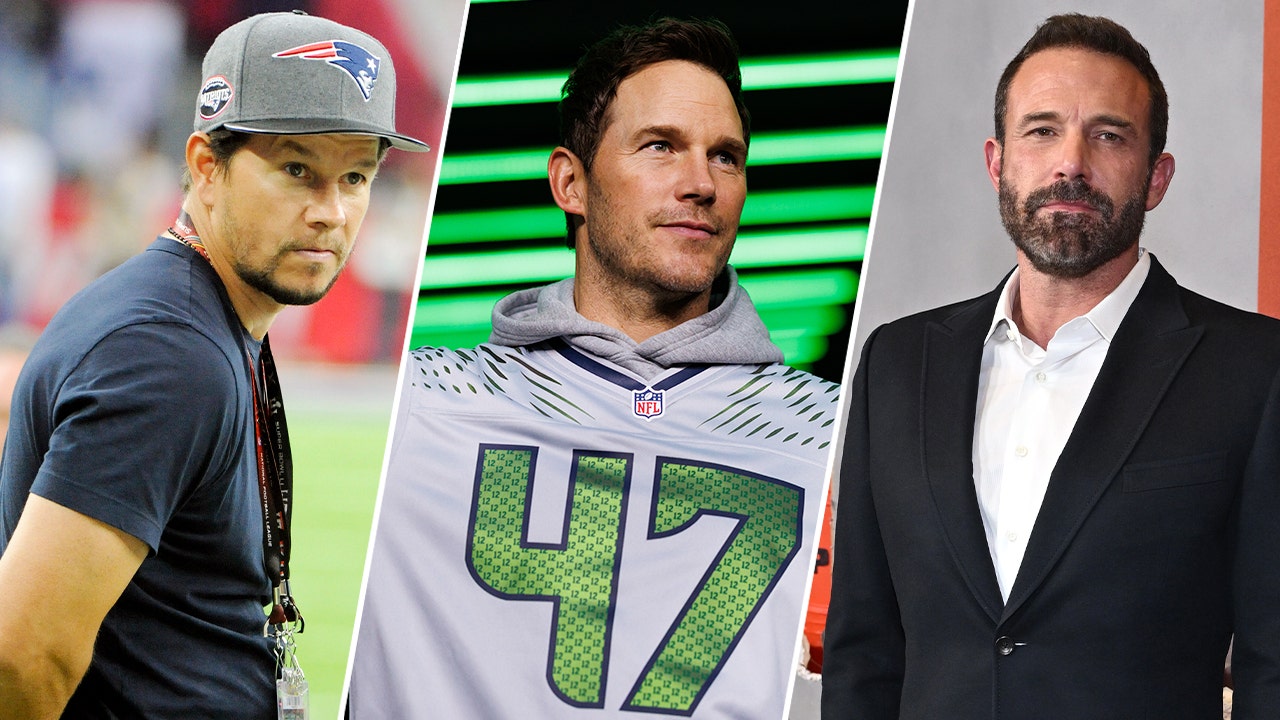
The concept of a ‘Hollywood split,’ as referenced in the source material regarding Super Bowl LX, exemplifies this strategic use of celebrity engagement. By highlighting a division among high-profile individuals, the media creates a secondary narrative that adds intrigue and enhances engagement. This narrative framing transforms individual preferences into a cultural storyline, encouraging spectators to choose sides and participate in the broader pop-culture conversation surrounding the event.
The strategic value of this narrative creation is multifaceted. It provides broadcast networks and online platforms with pre-game and post-game content that sustains viewer interest throughout the event. It generates social media buzz and discussion, effectively amplifying the reach and relevance of the Super Bowl well beyond its immediate broadcast window. This media amplification cycle is essential to maintaining the event’s status as a top-tier global entertainment property.
The Business Implications of Celebrity Brand Alignment
The financial impact of celebrity brand alignment in sports is substantial, influencing several revenue streams. Celebrity endorsements can directly increase merchandise sales, as fans are often inspired to purchase jerseys or apparel associated with their favorite teams and celebrities. This effect is particularly potent when the celebrity’s perceived authenticity aligns strongly with the team’s brand identity.
Moreover, the presence of celebrity endorsements enhances the overall marketability of a sports franchise. This increased visibility and cultural resonance can lead to higher valuations for sponsorship deals. Brands seeking association with the event or a specific team are willing to pay a premium to be part of an ecosystem that includes high-profile celebrities, as this guarantees broader media exposure and audience engagement.
For a franchise that may be less prominent nationally, leveraging celebrity support, as noted regarding the Seattle Seahawks, becomes a crucial part of its competitive strategy. By utilizing high-profile celebrity fans to broaden its appeal, a team can level the playing field against larger market competitors. This approach helps create a narrative of national relevance, attracting new fans and increasing the franchise’s overall commercial value in the highly competitive landscape of professional sports.
Conclusion: The Structural Integration of Entertainment and Sport
The integration of celebrities into the sports media landscape during major events like the Super Bowl demonstrates a sophisticated commercial strategy that blurs the lines between entertainment and athletics. The source material, documenting a ‘Hollywood split’ and distinguishing between authentic devotion and tactical adoption, provides insight into the mechanics of brand management in both sectors.
The strategic management of celebrity brand alignment by sports leagues and franchises is a critical component of modern sports economics. It generates value through audience engagement, media narratives, and merchandise sales, contributing significantly to the multi-billion dollar business model of professional sports. The distinction between authentic and tactical affiliation highlights the importance of perception management in an environment where brand credibility and consumer trust are paramount assets.