
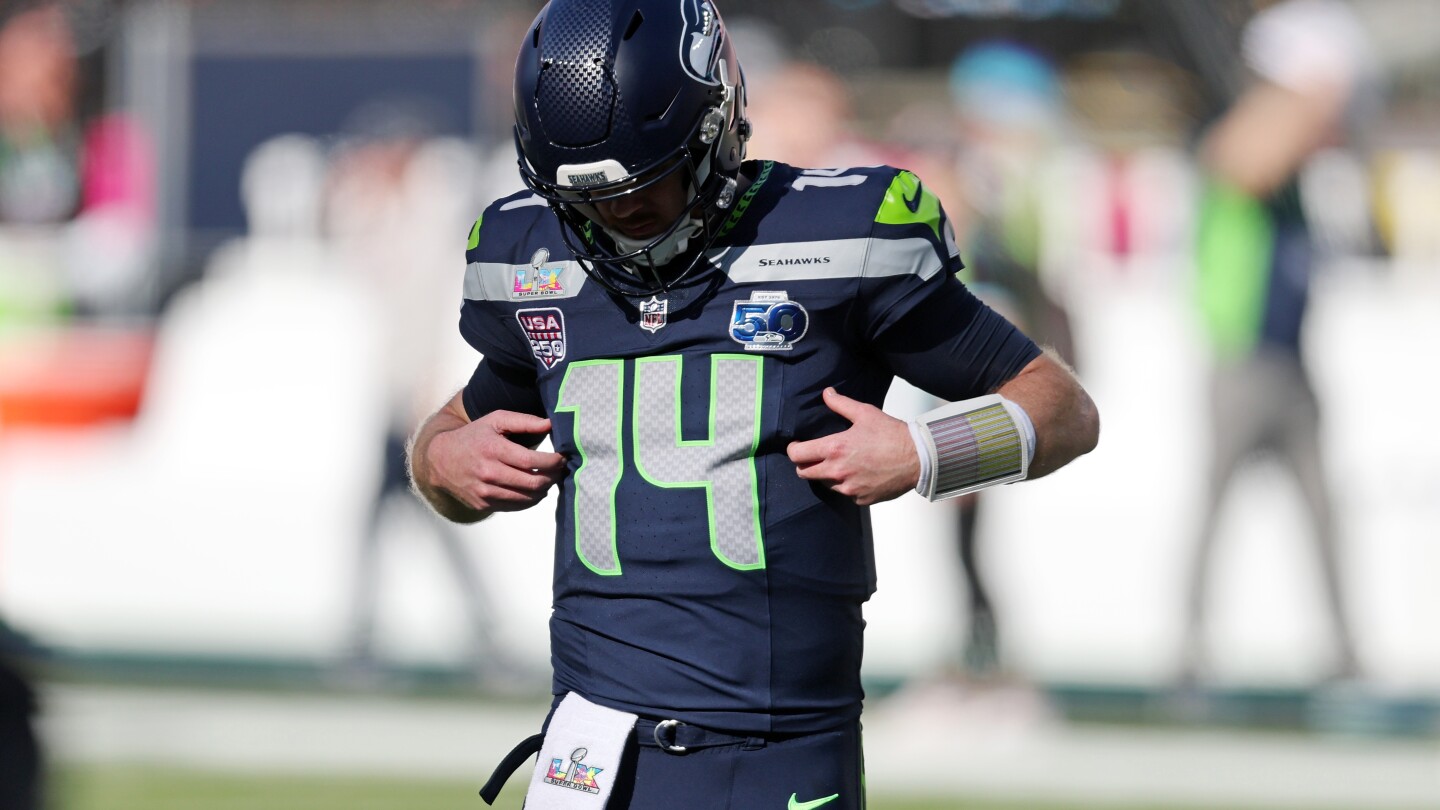
Fan Identity and Cultural Mobilization: A Decade After
The anticipation surrounding a Super Bowl rematch, ten years after a significant defeat, has fueled a robust surge of enthusiasm among Seattle Seahawks fans. This phenomenon, which combines nostalgia for a prior era and hope for future vindication, illustrates the powerful emotional and economic drivers inherent in long-standing sports rivalries and fan-team relationships.
For the Seattle fan base, this particular rematch carries substantial emotional weight, transcending a standard sporting fixture. The narrative of a decade-long wait for another opportunity against the rival team activates a deep sense of shared history among supporters, solidifying community identity around the team’s past experiences. This collective memory, often referred to as ‘The 12s,’ functions as a key component of the team’s brand identity and cultural footprint in the region.
The Economic Impact of Fan Enthusiasm
Local businesses in the Seattle area have actively capitalized on this surge of Super Bowl enthusiasm. Major sporting events, particularly those with strong historical narratives, stimulate localized economic activity by creating a concentrated demand for merchandise, hospitality services, and event-related experiences. This capitalization strategy often involves leveraging the existing emotional narrative to connect with consumers on a personal level, encouraging spending associated with shared community identity and support for the team.
The economic impact extends beyond immediate transactions; strong fan engagement generates significant long-term value for the organization. By harnessing this enthusiasm, both the team and associated businesses strengthen their market position and reinforce customer loyalty. This cycle demonstrates how cultural capital, built through years of shared experiences and fan identification, translates directly into market opportunity during peak events.
Fan Demographics and Event Attendance Dynamics
Observations at the Super Bowl LX venue in Santa Clara, California, indicate a notable disparity in fan attendance between the two competing teams. Despite the geographical proximity of the game site to one team’s primary fan base, a visible majority of attendees were Seahawks fans. This observation highlights the institutional strength and high mobilization capacity of the fanbase, demonstrating a willingness to travel significant distances to support the team during critical events.
Fan mobilization on this scale reflects more than just casual interest; it represents a dedicated commitment from the fanbase to participate directly in the event experience. For sports franchises, understanding and nurturing this level of dedication is a strategic imperative. The ability of a fanbase to create a home-field atmosphere even when playing away from their home stadium underscores a profound institutional advantage and contributes to the overall value proposition of the organization.
The Significance of Brand Identity in Sports Governance
The cultural phenomenon surrounding the Seattle Seahawks, encapsulated by the term ’12s,’ represents a strategic asset for the franchise and a model for effective brand governance in sports. The term itself is a recognized identifier used by the team to formalize and celebrate the unique relationship between the organization and its supporters. This formalized identity, which goes beyond standard fan relations, strengthens community ties and provides a consistent framework for marketing efforts and public engagement.
For a sports organization, maintaining this strong cultural identity is vital for ensuring long-term institutional stability and market relevance. When fans deeply identify with a specific persona or role—such as ‘The 12s’—they are more likely to exhibit higher levels of loyalty, engagement, and spending over extended periods of both success and adversity. The current surge of enthusiasm for the rematch serves as a powerful reminder of how historical narratives and strong brand identity can sustain institutional interest across generations.

Photo by jwskks5786 on Pixabay.