Anatomy of a Commercial Ecosystem: Figure Skating, Media Rights, and Athlete Value
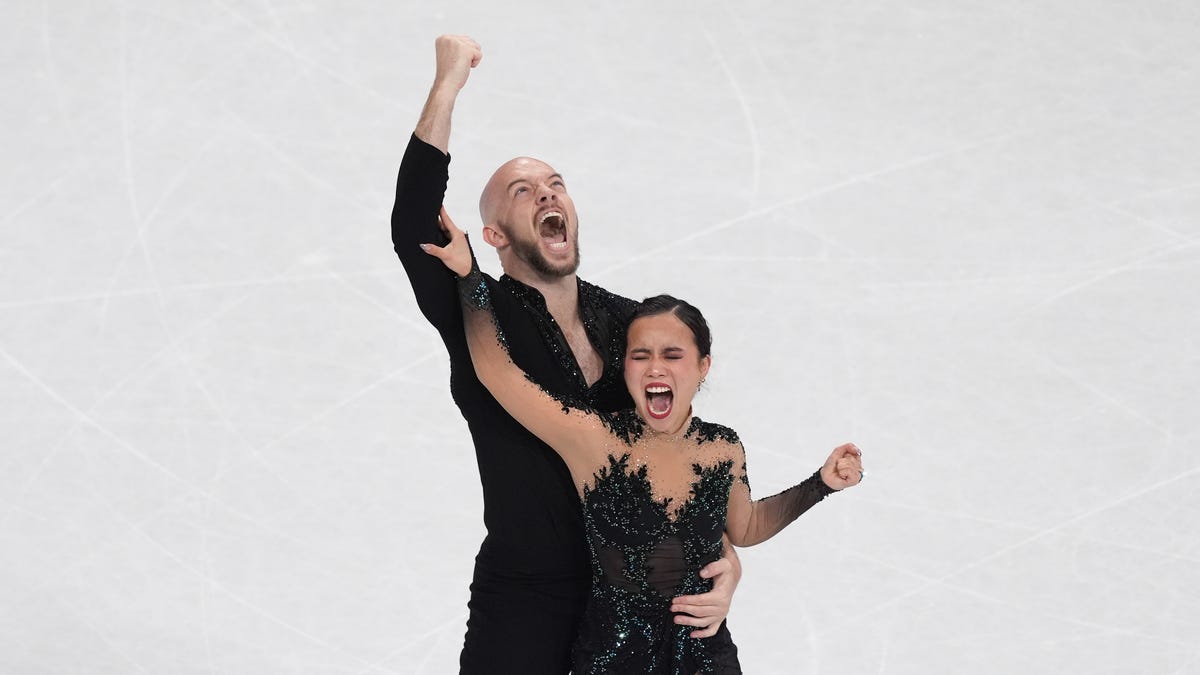
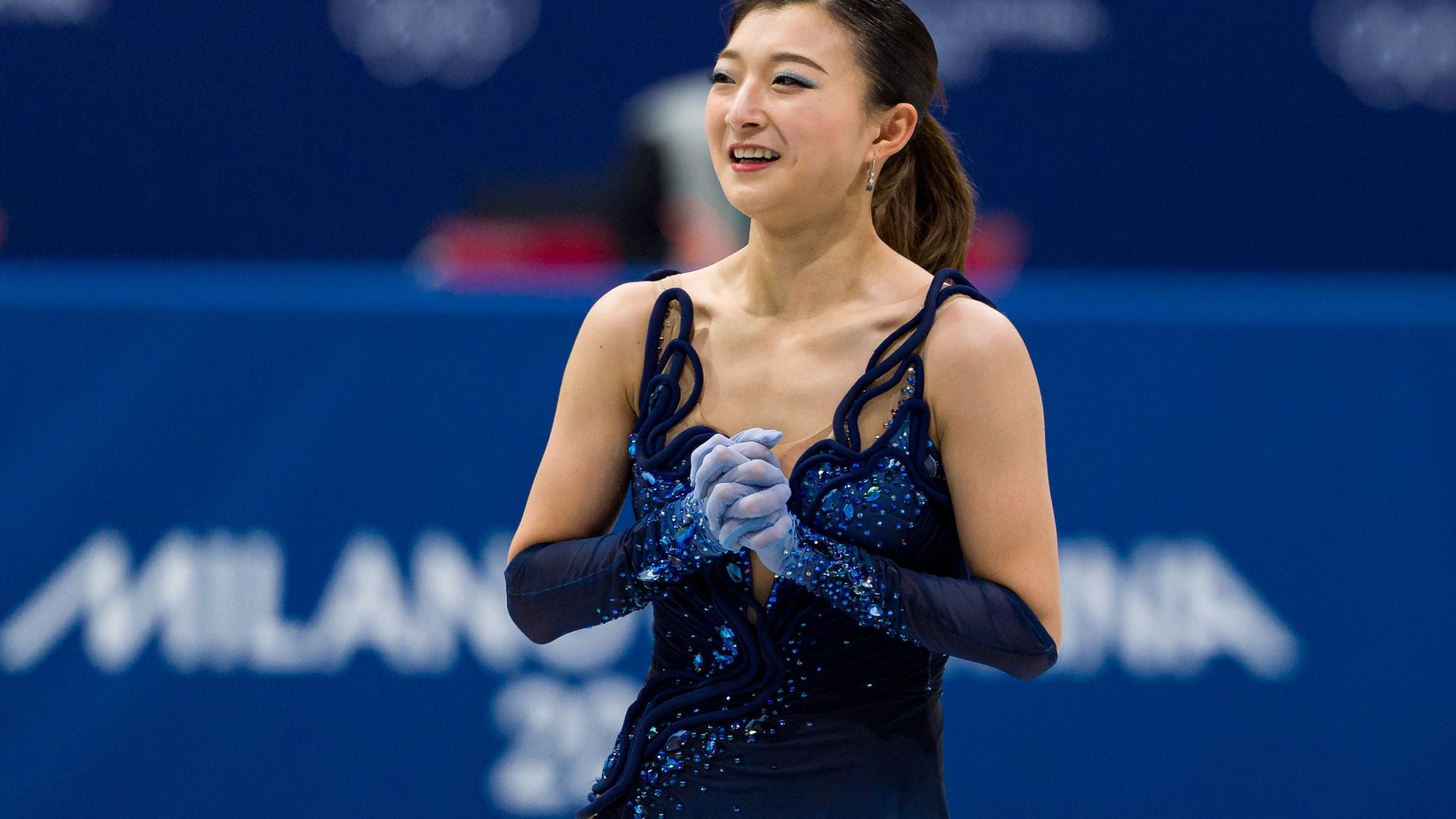
Recent reports from international figure skating competitions highlight the complex interplay between athletic performance, athlete branding, and the digital media infrastructure required to deliver content to global audiences. While individual performances, such as Kaori Sakamoto’s short program securing first place in the team event and the participation of pairs like Riku Miura and Ryuichi Kihara, serve as the core competitive elements, they also function within a larger commercial structure governed by institutional regulations and media partnerships.
The outcomes of high-level competitions are crucial to the financial health of national figure skating programs. In events structured around team competition, the cumulative success across various disciplines (men’s singles, women’s singles, pairs, and ice dance) determines the allocation of funding, resources, and institutional support. A strong performance in a high-stakes team event can raise a country’s profile within the sport, attracting greater investment from national governing bodies and private sponsors, thereby strengthening development programs for future generations of athletes.
The commercial ecosystem also extends to individual athletes and their personal brand value. The analysis of skater popularity, such as the discussion surrounding Ilia Malinin, underscores that commercial viability in figure skating extends beyond technical scores and podium finishes. An athlete’s ability to cultivate a broad and engaged following can significantly influence their marketability, leading to more lucrative endorsement deals and appearance fees. This dynamic positions athletes as individual brands, where their public persona and media presence are as valuable to sponsors as their athletic achievements.
The Role of Digital Media Distribution and Infrastructure
The delivery of live sports content to a global audience represents a critical financial component of the sports business model. Broadcasters like NBC, responsible for distributing Olympic coverage through platforms such as NBCOlympics.com, invest substantial resources in securing media rights and managing digital infrastructure. This involves a complex technical framework designed to handle massive traffic peaks during major events, ensuring high-quality streaming and user experience across diverse geographical regions and devices.
A specific challenge in digital content delivery, highlighted by platform notes regarding compatibility issues with older browsers like Internet Explorer 11, illustrates the continuous technological investment required to maintain a seamless user experience for diverse audiences. These technical considerations are not merely operational details; they directly influence audience reach, engagement metrics, and, ultimately, the value proposition offered to sponsors who rely on digital platforms to deliver their advertising messages to specific demographics.
Strategic Governance and Commercial Integration
The institutional framework that governs figure skating, primarily the International Skating Union (ISU) and broader multi-sport organizations like the International Olympic Committee (IOC), plays a pivotal role in shaping this ecosystem. These bodies establish the rules for competition, manage event schedules, and negotiate media rights contracts with broadcasters. The revenue generated from these media partnerships forms the foundation of a financial loop that supports the sport at both the international and national levels.
The strategic decisions made by governing bodies—from changes in judging criteria to alterations in event formats—can significantly affect the commercial landscape. These changes impact how athletes train, how sponsors evaluate potential investments, and how broadcasters tailor their content to maximize viewership. The integration of high-level sports performance with sophisticated media delivery systems and strategic athlete branding reflects the sophisticated business model underpinning global figure skating today.